





Related: Mack -- Path to Electrification is Not Straight to Linehaul
Volvo: Electric Trucks Viable for Hauling Freight Here and Elsewhere
Sweden-based AB Volvo announced on Jan. 23 that it will start selling electric trucks in Europe in 2019, with the first units entering service with select customers sometime this year – and the company's North American operations say they see a future for "electromobility" here as well.
January 23, 2018

Volvo initially sees electrically powered trucks delivering goods in city centers “without disturbing noise and exhaust gases.” Photo: Volvo Trucks
3 min to read

Volvo initially sees electrically powered trucks delivering goods in city centers “without disturbing noise and exhaust gases.”Photo: Volvo Trucks
Sweden-based AB Volvo announced on Jan. 23 that it will start selling electric trucks in Europe in 2019, with the first units entering service with select customers sometime this year – and the company's North American operations say they see a future for electromobility here as well.
The global truck and engine maker noted that "work toward commercialization of electric trucks in North America is ongoing as advancements in battery technology accelerate viability for North American duty cycles and energy demands for a broad range of applications.”
Addressing the news on this side of the Atlantic, Göran Nyberg, president of Volvo Trucks North America, commented in a statement that “electromobility is fully in line with Volvo Trucks’ long-term commitment to sustainable urban development and zero emissions.”
He explained that electrically powered trucks can deliver goods in more sensitive city centers "without disturbing noise and exhaust gases.” According to Nyberg, urban distribution and other P&D applications are “a starting point for battery-powered electric trucks.” He added that Volvo “envisions broader deployment of electric trucks for freight movement in North America as technologies and the market mature," suggesting they may have a future place in Class 8 trucks.
Keith Brandis, Volvo Trucks North America vice president for product planning, pointed out that the global OEM’s technology and its “deep understanding of electromobility are based on proven commercial solutions already used in Volvo’s electric buses, and solutions introduced in Volvo’s hybrid trucks as far back as 2010. Electric vehicles will be part of our future, but the vehicles themselves are only one part of what is needed for large-scale electrification to succeed."
Brandis added that Volvo Trucks is “working closely with customers, cities, suppliers of batteries and charging infrastructure, and other key stakeholders to create the necessary framework for battery-powered electric trucks.”
Word of this electric push comes on the heels of recent news that privately held China-based automaker Zhejiang Geely Holding Group is spending some $3.3 billion to buy an 8.2% stake in AB Volvo. The deal will make Geely the largest holder of AB Volvo’s share capital and voting rights. The Chinese OEM already owns the Volvo Car Group, which was divested from AB Volvo’s other businesses almost 20 years ago.
“Geely Holding will be able to contribute its global knowledge, Chinese market expertise and leading research and development capabilities especially in the fields of electrification, autonomous driving and connectivity, to AB Volvo to further its global development, and strengthen the Volvo brand,” noted Geely CFO Daniel Donghui Li in a statement on the deal.
Speculation posted online holds that Geely is buying into AB Volvo in large part to spur the Swedish OEM to build an electric – and autonomous – truck for the Chinese market before Tesla develops one for there as well as for the North American and European markets.
More Fuel Smarts

California Bill Could Shed Light on Electric Truck Prices
Why do battery-electric Class 8 trucks remain so expensive? A California bill headed to Gov. Gavin Newsom would give fleets and state agencies more visibility into what manufacturers charge.
Read More →
Detroit Opens Orders for EPA 2027 Engines
Detroit isn’t starting from scratch to meet EPA 2027 diesel emissions standards. Its Gen 6 DD13 and DD15 engines keep much of today’s platform while updating the fuel and aftertreatment systems.
Read More →
Zero-Emission Truck Corridor Planned for West Coast
California, Oregon, Washington, British Columbia and Baja California are coordinating plans for truck charging and hydrogen fueling from Canada to Mexico.
Read More →
A Closer Look at Kenworth’s Electric T880E Vocational Truck [Video]
Learn more about Kenworth's T880E battery-electric vocational truck at the Paccar Technical Center, including its range, applications, upfitting considerations, and PTO options, in this HDT Spotlight video.
Read More →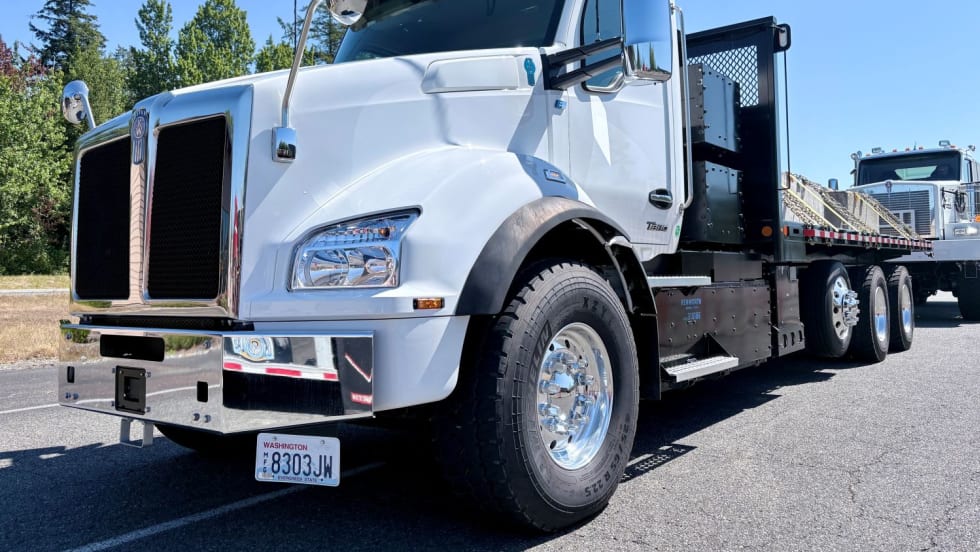
Kenworth T880E Brings EV Power to Vocational Trucks
A closer look at the Kenworth T880E’s range, charging, powertrain and upfit options — and where fleets are showing the most interest.
Read More →
Jennie Abarca Is Proving Electric Trucks Can Do the Job
HDT Truck Fleet Innovator Jennie Abarca is building confidence in fleet electrification one load at a time while openly sharing the challenges she encounters along the way as a small-fleet owner.
Read More →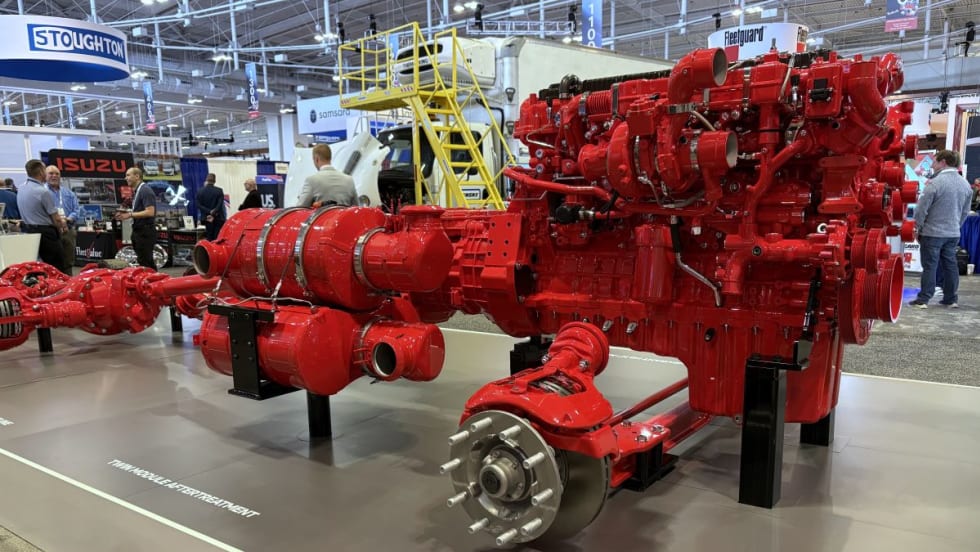
Cummins Adjusts 2027 Engine Rollout After EPA Proposal
The engine maker will gradually introduce its new Model Year 2027 diesel engines while continuing to offer current models during the transition, citing the EPA's proposed emissions rule changes.
Read More →
EPA Proposal Could Ease 2027 Truck Costs and Buying Uncertainty
The proposal doesn't change the tougher NOx standard, but it would revise key implementation requirements that manufacturers say have driven up costs and complicated fleet purchasing decisions.
Read More →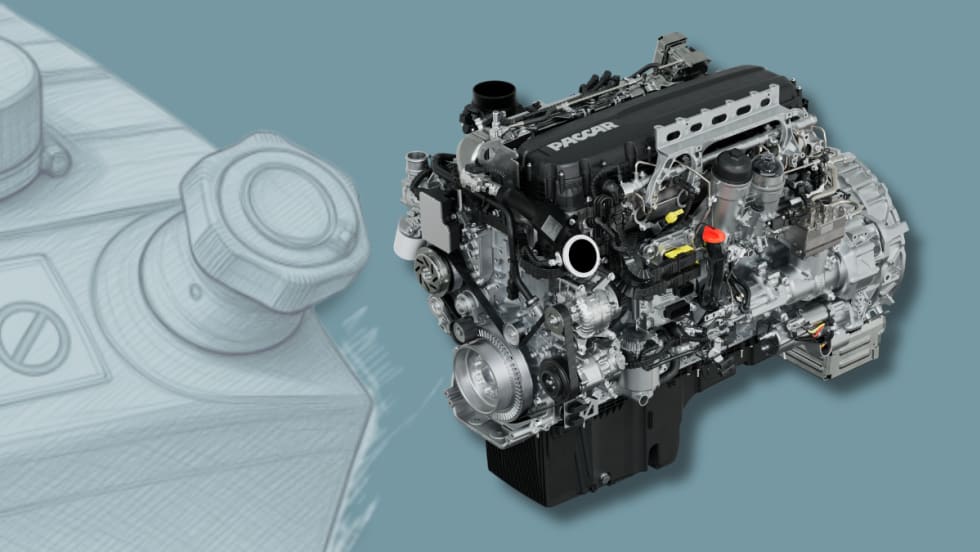
Cummins, Paccar Ease DEF Derates After EPA Guidance
Updated diesel engine software gives truck operators more time to address emissions-system issues while staying compliant with EPA emissions standards.
Read More →
Maintenance in the Messy Middle Part 3: Biodiesel
Biodiesel can reduce emissions, improve fuel-system lubricity and use existing diesel infrastructure. But NACFE’s Messy Middle maintenance report says fleets must actively manage storage, cold-weather operation, filters and oil drain intervals to avoid problems.
Read More →