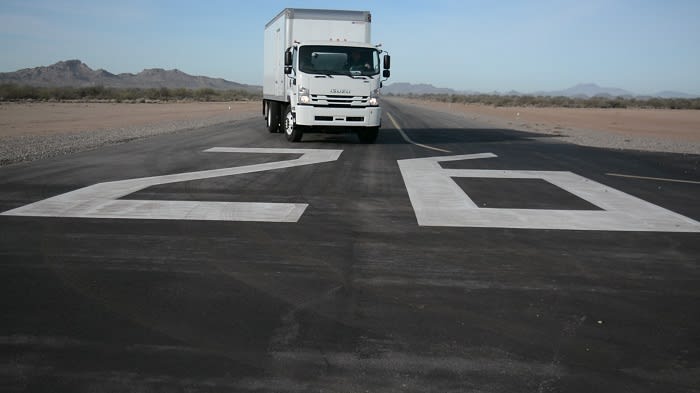
The new four-cylinder Isuzu FTR truck achieved a strong all-around showing in independent testing, according to results announced by Isuzu commercial Truck of America.
by Staff
January 2, 2018
Photo: Isuzu Commercial Truck of America
2 min to read
Photo: Isuzu Commercial Truck of America
The new four-cylinder Isuzu FTR truck achieved a competitive all-around showing in independent testing, according to results announced by Isuzu Commercial Truck of America.
The program tested the acceleration, braking, turning radius, hill climbing, and fuel economy of the FTR. Tests were conducted by Pro Formance Group in Chandler, Ariz., and the results were certified by the Sports Car Club of America.
Ad Loading...
“We’re thrilled with the results of these tests, which were conducted independently, verified and certified,” said Shaun Skinner, president of Isuzu Commercial Truck of America.
One of the Isuzu FTR’s strengths was in fuel economy for both mountain routes and in stop-and-go city driving. The acceleration tests, which looked at 0-20, 0-30, 0-40, 0-50, 0-60, and 30-50 miles per hour acceleration, showed how well the 5.2 liter turbocharged four-cylinder engine managed across the board. The engine produces 215 horsepower and 520 lbs.-ft. of torque.
In braking, the FTR averaged a 55-0 mile per hour stopping distance of 180 feet and a 30-0 mile per hour stopping distance of 53 feet.
Ad Loading...
The hill-climb tests measured time and speed to altitude. From 3,520 to 4,500 feet, the FTR averaged a time of 05:15.97 minutes at a maximum speed of 34.6 miles per hour, and averaged 02:23.69 minutes at a maximum speed of 35.1 miles per hour from 2,180 to 2,600 feet. In maneuverability testing, the FTR had a measured curb-to-curb turning diameter of 49.0833 feet.
The testing methods were designed by PFG to emphasize consistency and repeatability of results. In addition to SCCA — which sanctioned, observed and validated all testing procedures — PFG engaged Trivinci Systems of Ashburn, Va., to provide all instrumentation and an engineer to capture, record, and analyze all data during testing.
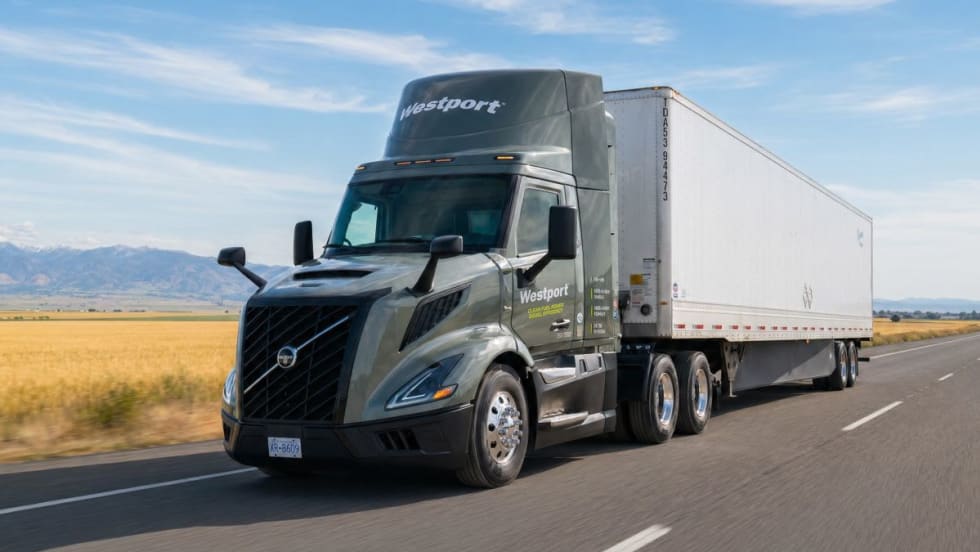
Westport and Volvo are demonstrating a 500-hp truck with diesel-like efficiency — one that also offers what Westport says is a better pathway to using hydrogen fuel in trucks.
Relying on diesel alone exposes fleets to fuel price volatility. Here’s why diversification with electric, natural gas, and renewable fuels can reduce risk.
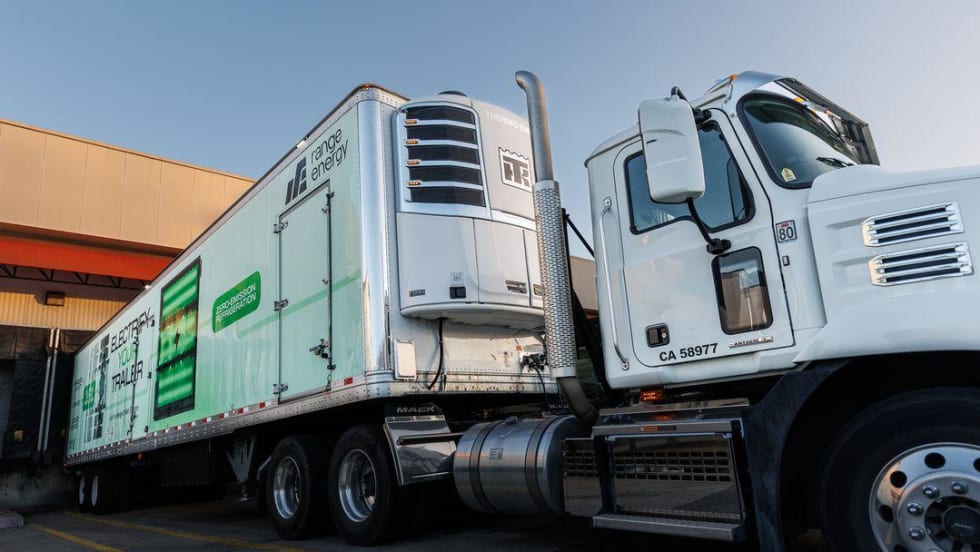
Range Energy said its production-ready eTrailer system proved it can boost stability, safety, and efficiency in sub-zero winter conditions as the company moves toward scaled deployment.
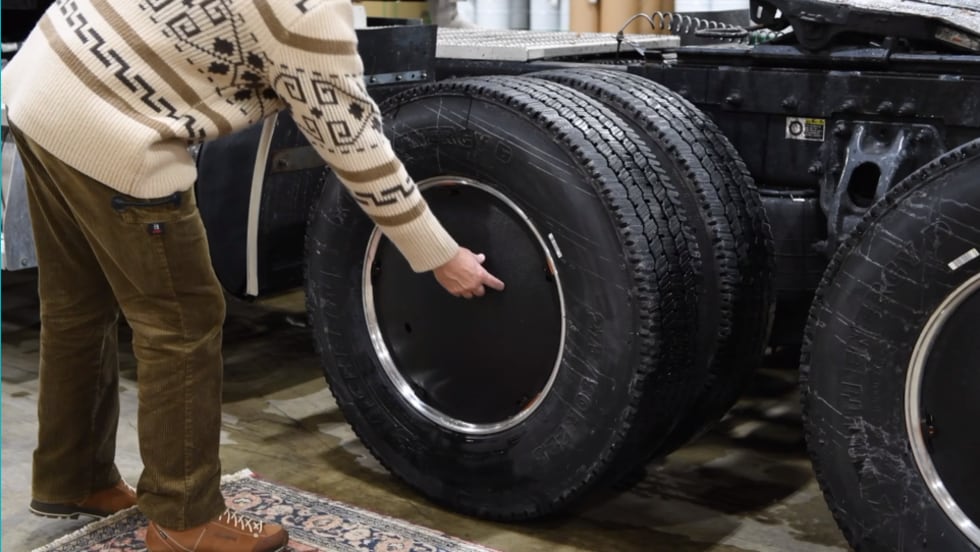
Watch to learn how Deflecktor's new wheel cover design is taking a simpler approach to aerodynamics, with an eye toward making it more practical for both trucks and trailers.
Aerodynamic wheel covers can deliver small but meaningful fuel-economy gains for fleets, and Deflecktor says its latest design aims to make the technology easier and more affordable to deploy.
When diesel prices are as volatile as they've been in 2026, it makes it tough for trucking fleets to plan and control costs. Breakthrough Fuel's Jenny Vander Zanden has insights on near-term savings strategies.