





Related: Daimler Introduces Pair of Mexico-Specific Cabover Trucks
Freightliner Aims to Stay on Top in Mexico
Freightliner is maintaining an impressive 39% share of the Mexican commercial truck market as 2017 draws to a close — and is looking to build on that standing in 2018. HDT's Jack Roberts reports from Puerto Vallarta.
November 29, 2017

Rollout on Nov. 15 of new Freightliner 360 2528, a Mexico-specific Class 8 truck. Photo: David Cullen
3 min to read

Rollout on Nov. 15 of new Freightliner 360 2528, a Mexico-specific Class 8 truck.Photo: David Cullen
PUERTO VALLARTA, MEXICO -- Freightliner is maintaining an impressive 39% share of the Mexican commercial truck market as 2017 draws to a close — and is looking to build on that standing in 2018.
That’s according to Freightliner Mexico President and CEO Flavio Rivera, who spoke to North American trucking journalists at a press briefing here on Nov. 29.
Noting that Freightliner Mexico is in a unique market that faces challenges and competitors unknown north of the border in the United States, Rivera outlined the strategies the company is using to not only maintain its market share but also to expand its role as the truck “pacesetter” in Mexico going forward.
He began with an overview of Freightliner Mexico’s operations, which include a robust manufacturing presence in Saltillo and Santiago, as well as a proprietary dealership network. According to Rivera, Mexico is the eighth largest builder of trucks in the world today, and the fourth largest exporter of trucks globally. Additionally, he said the country is projected to build 5 million passenger cars over the next two years.
This potent manufacturing presence has kept the Mexican trucking industry strong, Rivera added, despite slowed growth in other key economic sectors, such as construction and oil fields. However, he was optimistic that the Mexican construction truck market would soon heat up again, citing major government infrastructure projects including the high-profile development of a new, ultra-modern airport as well as a key rail network connecting port facilities to Mexico City.
Rivera also noted that the unique realities of the Mexican market are prompting Freightliner Mexico to develop new models and strategies to maintain its competitive edge in the country. He said the top challenges include poor infrastructure, heavy congestion, and narrow, European-style streets.
On top of those concerns, Rivera added that Freightliner Mexico must also compete against 12 different truck manufacturers. Those include a host of brands that do not currently play in the U.S. market, including Chinese OEMs Foton and FAW, South Korea-based Hyundai, and the co-owned European marques MAN, Scania, and Volkswagen.
In response to these challenges and competitors, Rivera said that Freightliner Mexico was investing heavily in new cabovers, including two just introduced Freightliner 360 models, the Class 6 1217 and the Class 8 2528. Those two trucks joined the existing Class 4 715, introduced back in 2008, in the Freightliner 360 family, which is aimed at urban trucking applications.
Rivera pointed out that currently, many Mexican fleets and drivers view cabover trucks as unsafe and lacking adequate crash protection. In addition, he noted, Mexico is a highly price-sensitive market. He said that means the challenge for Freightliner Mexico and its dealer network is to educate its customer base on the reliability of cabover truck models as well as the long-term benefits of a brand such as Freightliner, including greater fuel economy, driver comfort, and reliability, and fielding an effective dealer network.
More Fleet Management
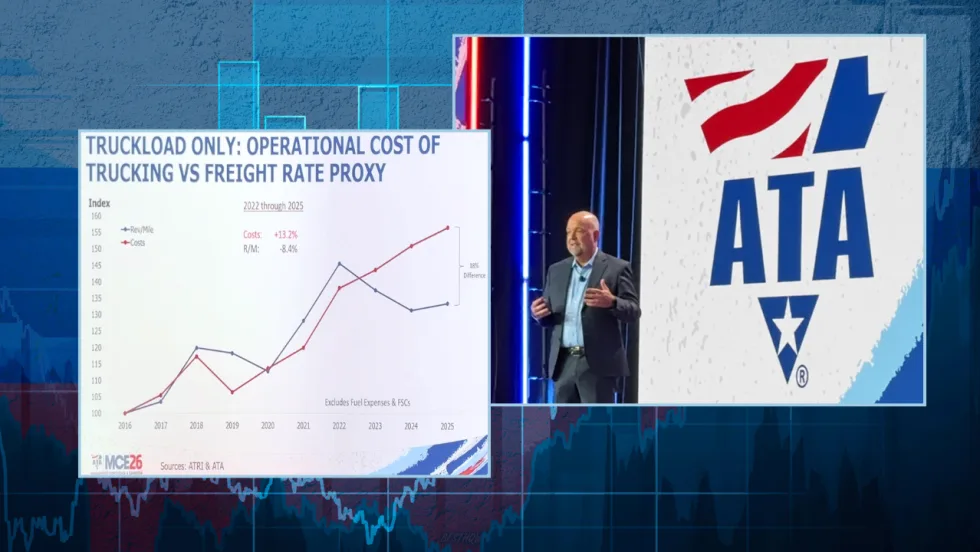
Why This Trucking Recovery Is Different
Freight demand remains sluggish, but rising costs and tougher enforcement have taken enough capacity out of the market to change the outlook for motor carriers.
Read More →
Platform Science Adds Dispatch and Safety Tools
Four additions to PS Fleet help fleets monitor loads, manage driver coaching, share truck locations and adjust video system settings.
Read More →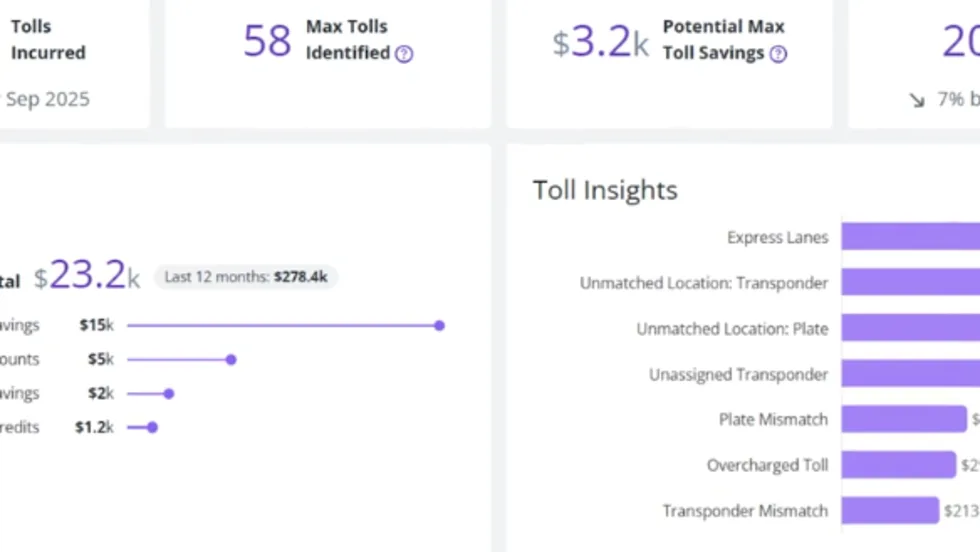
PrePass Intelligence Mines Fleet Bypass, Toll and Safety Data
PrePass Intelligence helps fleets measure bypass savings, flag potential toll overcharges, and spot suspicious transactions by combining data from separate systems.
Read More →
Motive Adds AI Agents for Fleet Operations
New tools automate follow-up on fleet data, from maintenance work orders to driver alerts, with two-way voice conversations planned for later this year.
Read More →
Can You Beat Our Trucking Trivia Challenge?
Test your truck knowledge with 19 trivia questions from Heavy Duty Trucking Exchange. Can you keep up with the fleet pros?
Read More →
BeyondTrucks Adds Rules Checks to Dispatch
New Compatibility Engine checks driver qualifications, equipment requirements and fleet policies before loads are dispatched.
Read More →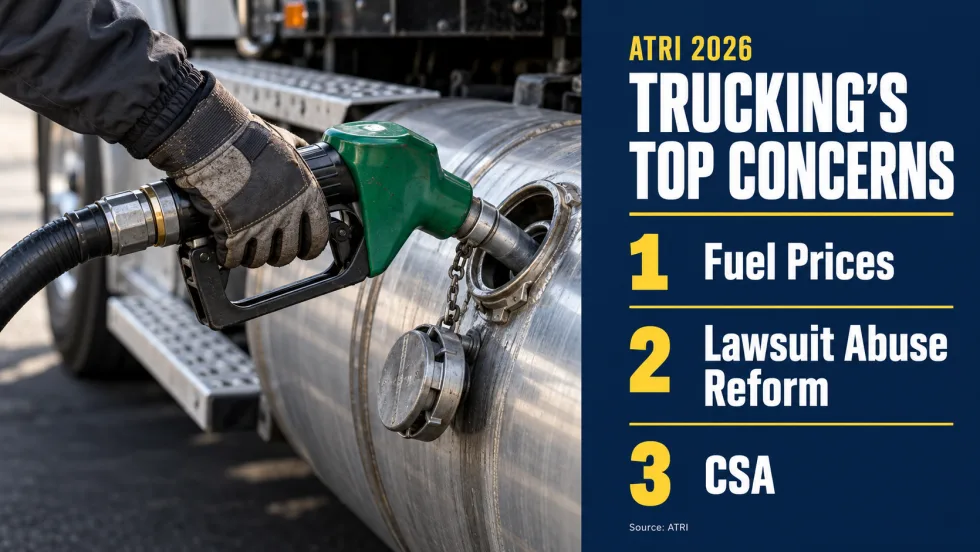
Diesel Prices Hijack Trucking’s Worry List
ATRI’s annual survey finds cautious optimism about freight, but diesel costs, litigation, and insurance continue to squeeze fleets. Drivers have different priorities on several issues.
Read More →
Nomination Deadline Extended for HDT Emerging Leaders
Just a few more days to nominate accomplished trucking fleet professionals under 40 who are making an impact and helping lead the industry forward for the HDT Emerging Leaders award. Deadline extended to October 20!
Read More →
What Will ATA’s New Leader Bring to Trucking's Table?
Incoming President and CEO Mark Colson’s record in Alabama offers clues about his priorities and approach following Chris Spear’s abrupt departure as the head of the American Trucking Associations.
Read More →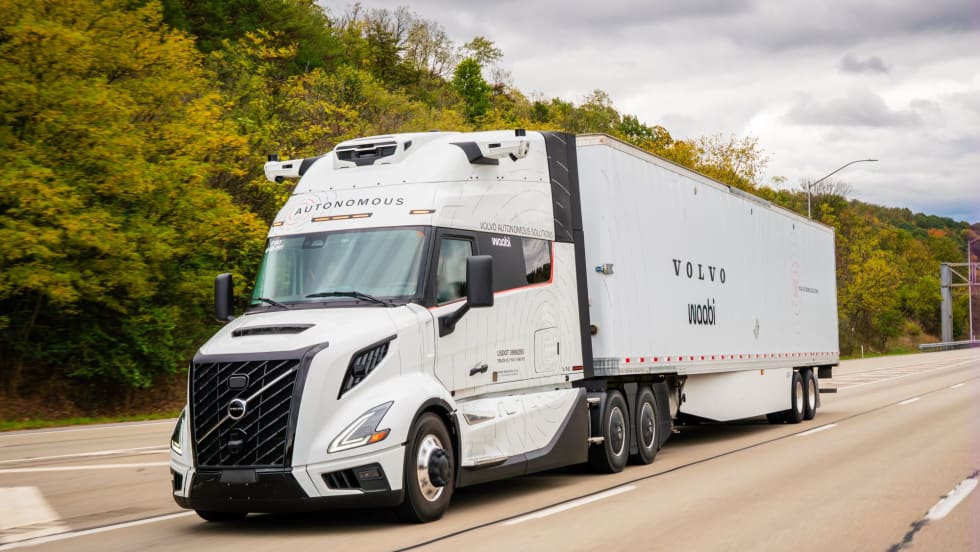
Volvo, Waabi Start Commercial Autonomous Operations in Texas
Volvo VNL Autonomous trucks, powered by the Waabi Driver, are hauling freight directly to third-party facilities for a customer in Texas.
Read More →