




TMW Systems Reveals Plans for Blockchain System
TMW Systems says it is developing a new blockchain system for trucking with the potential to create a transparent, secure, real-time logistics matrix that could save the industry as much as $80 million a year.
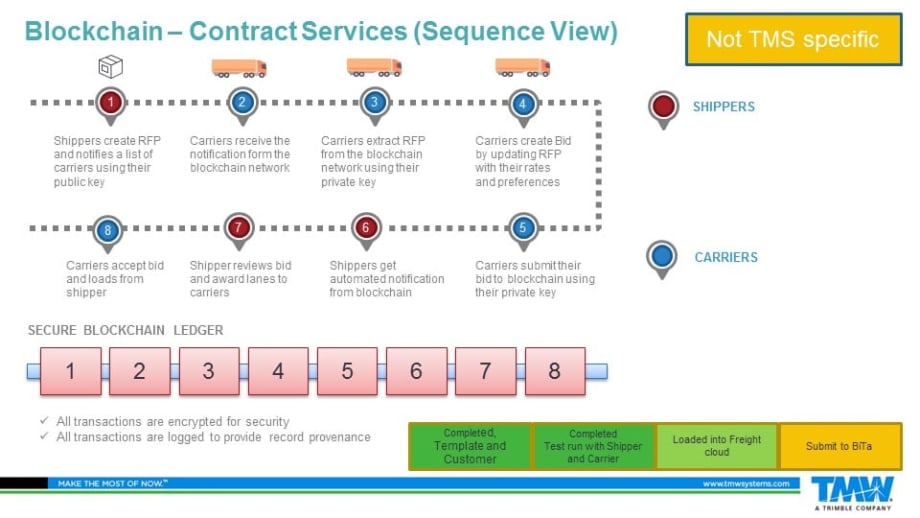
This graphic shows how a blockchain logistics chain develops as new conditions and terms of the contract are added during a shipment. Graphic: TMW Systems

Trucking technology innovator TMW Systems announced that it is developing its own blockchain software system with an eye toward launching it next year.
The announcement came last week during an online presentation featuring Timothy Leonard, executive vice president of TMW Systems, outlining blockchain technology for trucking journalists and explaining the potential for this new technology to create completely transparent logistics agreements based on real-time data and encrypted, two-party agreements.
Other logistic companies today, UPS and Walmart, to name a couple, use proprietary blockchain systems to power their logistics networks. Leonard says TMW’s system, which has been in development for about 9 months now, will feature both private, encrypted, systems designed to connect shippers and carriers that subscribe to the new service. But in addition, Leonard says, the TWM system will be designed to connect with outside blockchain and vehicle communications and telematics systems, in order to create a virtual matrix of logistics agreements and information – much of which will be accessible to nonsubscribers, as a means of exponentially empowering connected programs and networks to facilitate and expedite logistics worldwide.
Leonard noted during the presentation that considerable confusion surrounds the blockchain concept, which is often associated with online, electronic currency systems such as Bitcoin and Ethereum. But, in reality, he explained, blockchain is a modern, internet-based ledger system – similar to a transaction-focused database, that connects interested parties and enables secure transactions in an open system that is not owned or controlled by any single party.
Leonard says he views TMW as more of a “host,” of the blockchain system currently under development and would only track the progress of the contract as a new logistics transaction is created and takes shape. “If you think of the process of moving a product from Point A to Point B as a logistics chain, then each agreement the shipper and carrier agree upon as that business deal comes together, is another “block,” or link, in that chain,” Leonard explained in a follow-up interview this week. “The initial agreement between the shipper and the carrier is the first block in the chain. And both parties have encryption “keys,” that enable them to look at the agreement whenever they wish to see the associated contractual details. In this way, blockchain provides transparency and new levels of security and trust. As the logistics train gets underway and the product begins moving toward its final destination, each new agreement or transaction that comes up becomes a new block in the chain.”
At the same time, Leonard added, the blockchain system itself constantly checks on each new transaction and ensures that it meets all the requirements laid down in each early block in the chain, as well as meeting all known rules and regulations pertaining to the shipment – everything from hours of service, various federal laws concerning commerce, the temperature of perishable foods, fuel charges down to delivery methods and times can easily be plugged into the chain with full, any-time, transparency available to all concerned parties. Once the delivery is made, the system can then delivery almost immediate payment to the shipper.
The beauty of the system, Leonard adds, is that it can essentially serve as the internet-based foundation for real-time supply chain transparency, with virtually every aspect of fleet and logistics operations – including delays due to traffic, accidents or weather – eventually becoming part of the system.
For now, Leonard said, TWM is focused on three main areas of development for its blockchain system: RFP, bids and awards, EDI transactions and parts warranty and vehicle service records, with additional operational factors to be added later on.
Leonard said he – and TMW – believe the system will be a transformational for the trucking, ultimately handling up to 500,000 transactions a week and saving the industry between $60 and $80 million in operational costs.
More Fleet Management

Long-Awaited Canadian Border Bridge to Open in Detroit
For trucking, the bridge opening should offer immediate improvements in efficiency and reliability, with new customs facilities, expanded inspection capacity, and direct freeway-to-freeway connections.
Read More →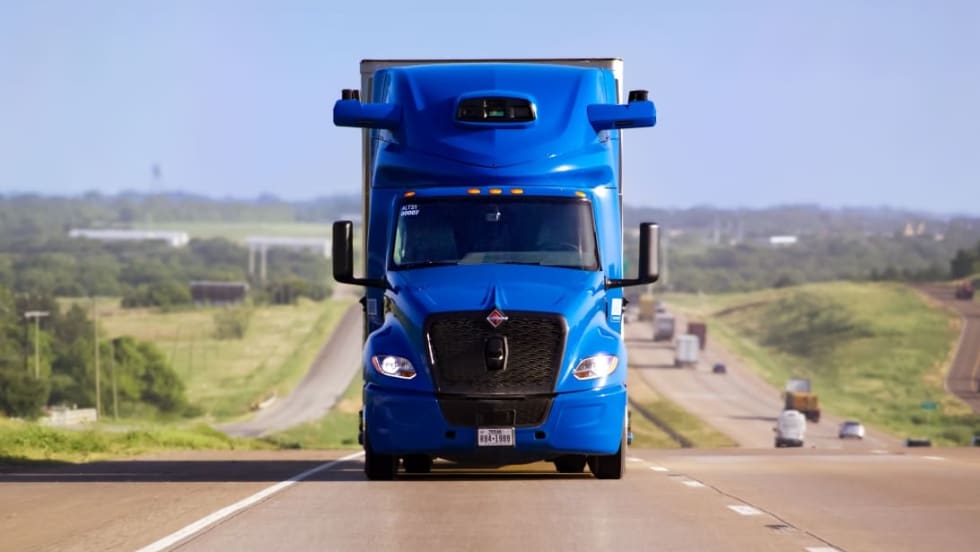
Aurora Rolls Out Next Generation of Driverless Trucks for Commercial Freight
Aurora's latest autonomous trucks it's rolling out with International feature lower-cost hardware designed for a million miles as the company expands commercial driverless freight operations across the U.S. Sun Belt.
Read More →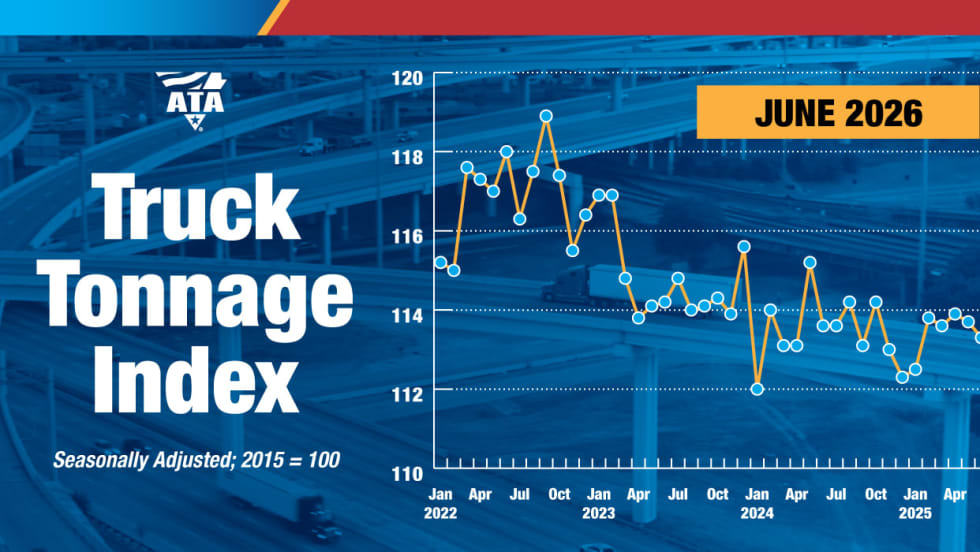
Freight Tonnage Down, Rates up, as Lower Capacity Powers Trucking Recovery
The recovery from the freight recession continues to be driven by reduction in capacity rather than by increased demand.
Read More →

Think Your Trucking Fleet Isn't Using Much AI? Think Again
Shadow AI — the use of unauthorized artificial intelligence tools at work — is becoming increasingly common, putting sensitive company data at risk. Learn how trucking fleets can protect sensitive data while embracing AI.
Read More →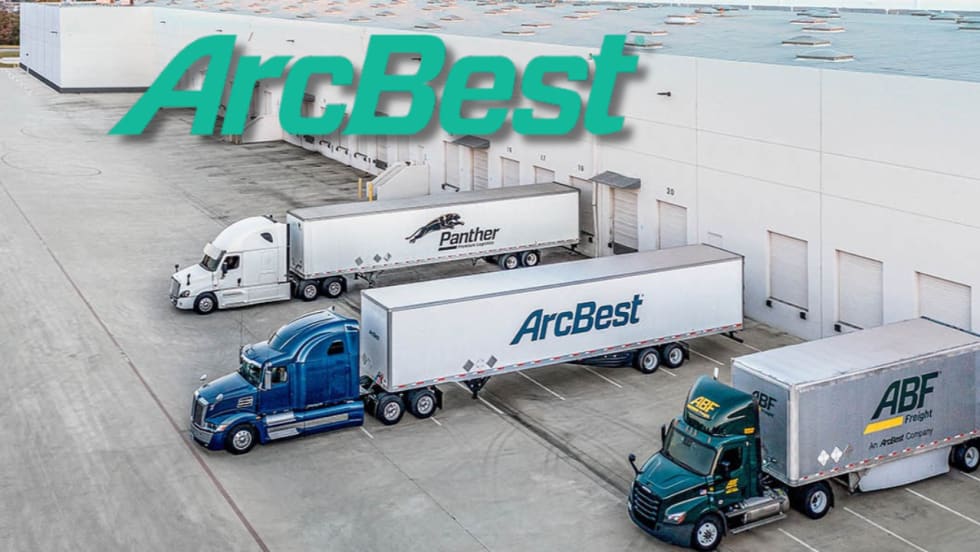
ArcBest Consolidates Brands, Cuts Workforce
The company will bring three business units under the ArcBest brand, eliminate about 2% of positions, and expects the changes to generate $40 million in annual savings.
Read More →
Trucking Fleets Faced Record Operating Costs During Third Year of Freight Recession
ATRI's annual operational cost report shows carriers trimmed fleets, delayed equipment purchases, and ran older trucks as expenses continued to outpace freight rates.
Read More →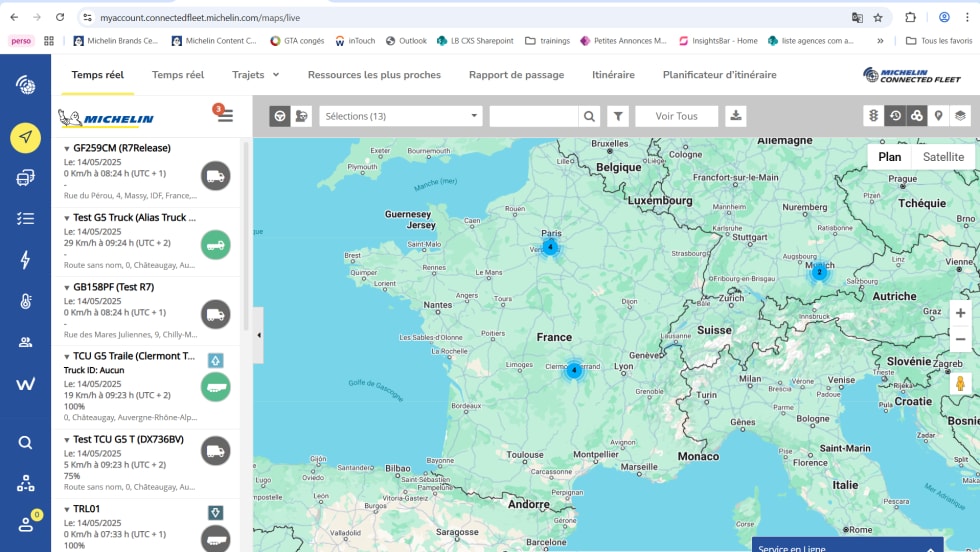
Michelin Adds AI Assistant to MyConnectedFleet Platform
Michelin’s new generative AI tool delivers instant fleet insights, helping managers analyze fuel use, tire maintenance, vehicle status, and operational performance without manually creating reports.
Read More →
LytxOne Platform Now Features AI, Compliance, and Asset Tracking Tools
New enhancements add AI-powered insights, asset tracking, compliance automation, and configurable privacy controls to Lytx's all-in-one fleet management platform.
Read More →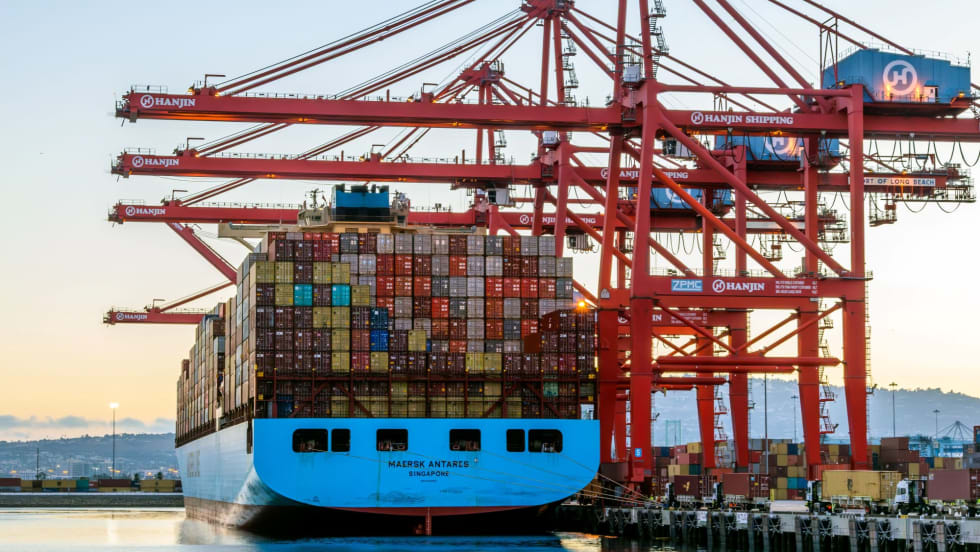
July Imports Poised to Set Container Record
The National Retail Federation projects July container imports will surpass the pandemic-era record as shippers frontload freight ahead of expected August tariff increases.
Read More →
HDT Announces 2026 Truck Fleet Innovator Finalists
From AI and fleet electrification to safety, operations, and leadership, these HDT Truck Fleet Innovator finalists are changing how trucking gets done.
Read More →