




Cummins Sees a Future with Many Truck Power Options
Cummins continues to embrace a “buffet” of power sources for the marketplace as it prepares for a future that includes diesel, hybrids, electric powertrains, and fuel cells, the company told trucking reporters in Atlanta Sunday prior to the opening of the North American Commercial Vehicle Show.
by Today's Trucking
September 24, 2017
“We win in the marketplace by seeing the future first, and beating the competition to it,” proclaimed Srikanth Padmanabhab, president of the Cummins engine business. Photo: Evan Lockridge
3 min to read

“We win in the marketplace by seeing the future first, and beating the competition to it,” proclaimed Srikanth Padmanabhab, president of the Cummins engine business.Photo: Evan Lockridge
ATLANTA – Cummins continues to embrace a “buffet” of power sources for the marketplace as it prepares for a future that includes diesel, hybrids, electric powertrains, and fuel cells.
“We win in the marketplace by seeing the future first, and beating the competition to it,” proclaimed Srikanth Padmanabhab, president of the Cummins engine business, during a briefing at the inaugural North American Commercial Vehicle Show. “We will be there to provide that power of choice to our customers.”
Cummins itself will produce 1.3 million engines this year, bringing its worldwide total to 15 million engines overall.
But the underlying source of power is clearly evolving.
Future internal combustion engines could be fueled by diesel, natural gas, or gasoline, he said. Battery-electric systems will find a place depending on specific applications, particularly in regional and urban environments -– especially as batteries improve. Cummins expects range-extended electric vehicles in 2019 and 2020 to serve the bus market and urban pickup and deliveries, and it has also unveiled an electric Class 7 urban hauler.
“We’ve been in this electrified business for well over two decades,” he stressed. “The technology is viable, and it’s economically viable in certain markets.”
In selected cases, hybrids will combine electric and internal combustion power. And there will be a place for fuel cells, too.
Emissions-friendly technologies are rolling out in markets around the world, improving the quality of life in the urban environments from Amsterdam to New Delhi and Beijing, he added.
It isn’t the only way the engines are evolving. Fifteen years ago, industry disruptors came in the form of globalization, emissions, and available power. Today, he said, the driving issues are diversity, connectivity, and automation.
As important as the fuel will be, connectivity is reshaping powertrains through the confluence of sensors, analytics, and artificial intelligence. To demonstrate that, he discussed how smartphones have become commonplace because of the combination of reliable hardware and killer apps. In the latter case, he referred to the way that Waze has become popular. Each phone has a GPS locator and accelerometer, and Waze has connected that to a network of people who can provide traffic data. That has disrupted the marketplace despite the navigation systems available through OEMs.
Engines were incorporating electronics as early as the 1980s, but communication-related technologies have reached a critical tipping point. “We did not have WiFi until recently. We didn’t have Bluetooth capability until recently,” he said. “We were not able to analyze data in a meaningful way.”
“I’m so excited about this connected enterprise we’re talking about,” Padmanabhab said, referring to the ability to collect masses of data that might otherwise be glossed over. Cummins Connected Customer Care, for example, is linking diagnostic capabilities, software and service providers.
“We’ll be doing predictive shifting. We’ll be doing optimized power depending on where you are in the U.S.,” he observed. “This will lead to intelligent braking and this will lead to other things.”
The next generation of Cummins powertrains will be lighter, smaller, and produce lower CO2 emissions, and will have the capabilities to be a hybrid, he said, adding that accessories will increasingly become electrified. And hybridization will allow more downsizing, making it possible to spec’ engines with smaller displacements.
“We are super excited about this because we’ll be in the longhaul market for the longhaul,” he said.
Cummins' Atlanta remarks reiterated what they said during an event last month where they unveiled a concept electric Class 7 truck.
This content appears vs. an editorial content sharing partnership with the Canadian publication Today's Trucking.
More Fuel Smarts

Detroit Opens Orders for EPA 2027 Engines
Detroit isn’t starting from scratch to meet EPA 2027 diesel emissions standards. Its Gen 6 DD13 and DD15 engines keep much of today’s platform while updating the fuel and aftertreatment systems.
Read More →
Zero-Emission Truck Corridor Planned for West Coast
California, Oregon, Washington, British Columbia and Baja California are coordinating plans for truck charging and hydrogen fueling from Canada to Mexico.
Read More →
A Closer Look at Kenworth’s Electric T880E Vocational Truck [Video]
Learn more about Kenworth's T880E battery-electric vocational truck at the Paccar Technical Center, including its range, applications, upfitting considerations, and PTO options, in this HDT Spotlight video.
Read More →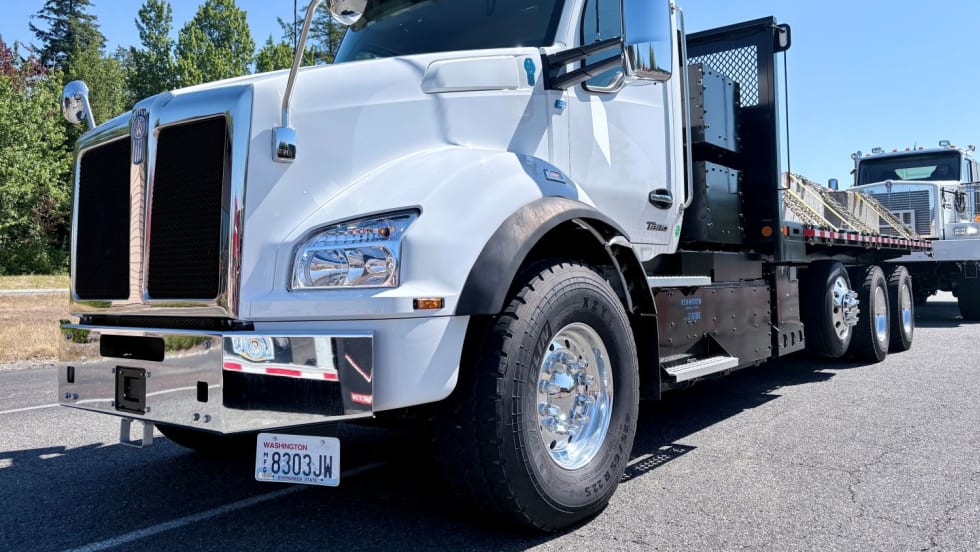
Kenworth T880E Brings EV Power to Vocational Trucks
A closer look at the Kenworth T880E’s range, charging, powertrain and upfit options — and where fleets are showing the most interest.
Read More →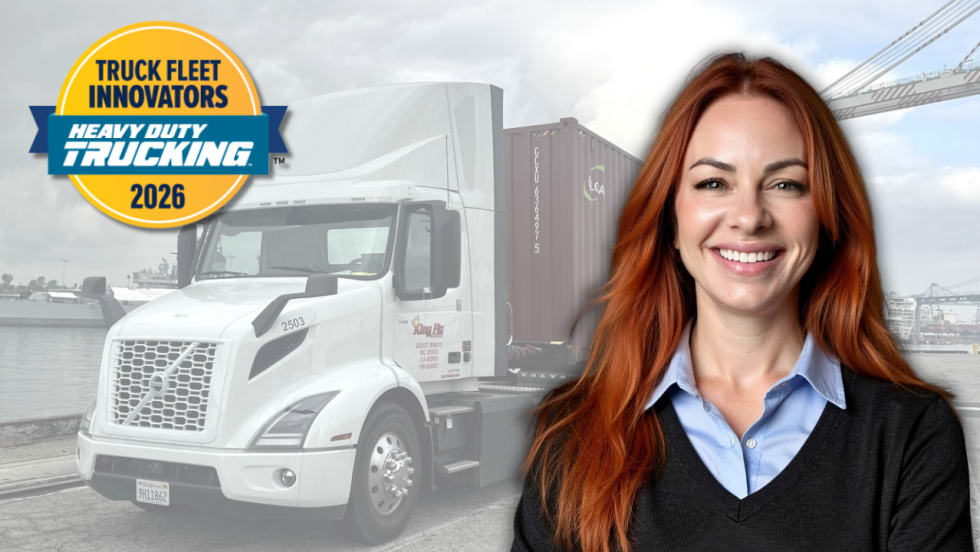
Jennie Abarca Is Proving Electric Trucks Can Do the Job
HDT Truck Fleet Innovator Jennie Abarca is building confidence in fleet electrification one load at a time while openly sharing the challenges she encounters along the way as a small-fleet owner.
Read More →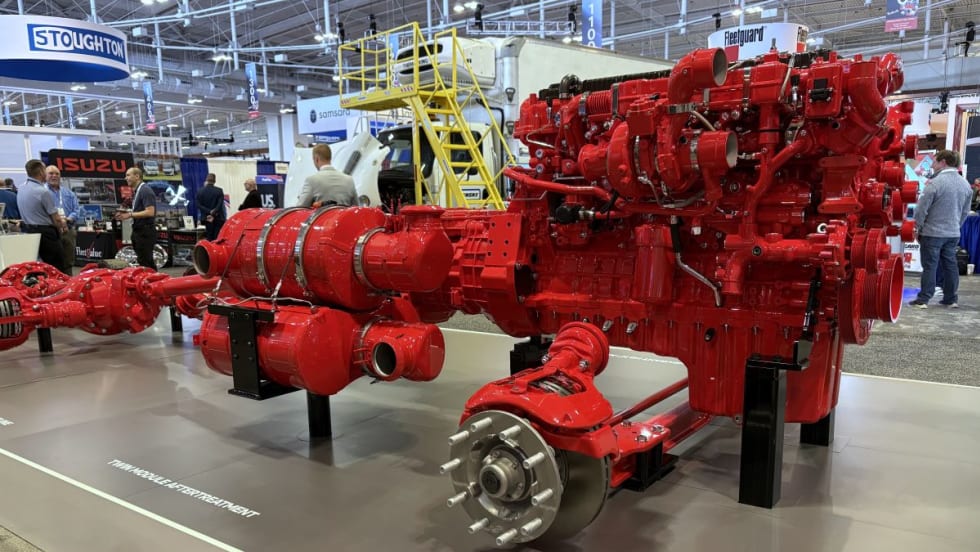
Cummins Adjusts 2027 Engine Rollout After EPA Proposal
The engine maker will gradually introduce its new Model Year 2027 diesel engines while continuing to offer current models during the transition, citing the EPA's proposed emissions rule changes.
Read More →
EPA Proposal Could Ease 2027 Truck Costs and Buying Uncertainty
The proposal doesn't change the tougher NOx standard, but it would revise key implementation requirements that manufacturers say have driven up costs and complicated fleet purchasing decisions.
Read More →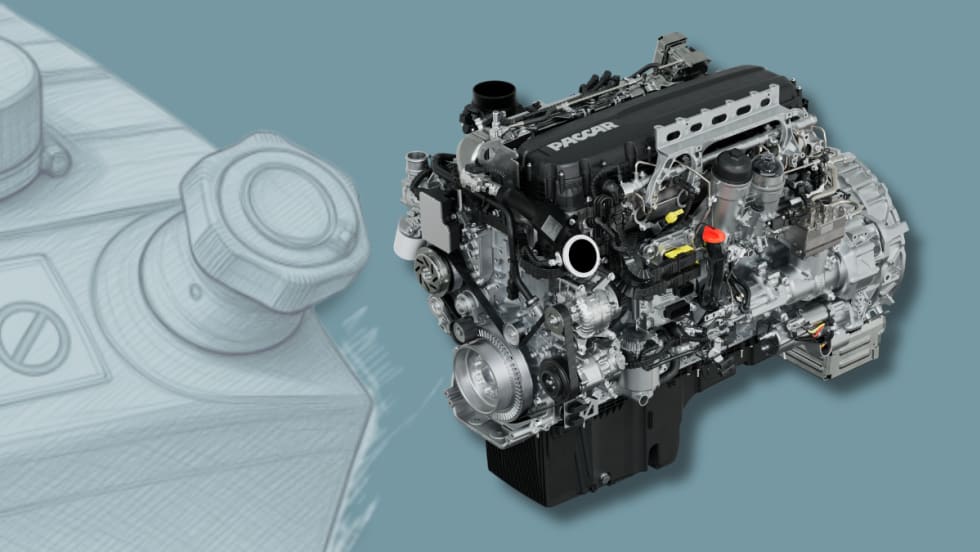
Cummins, Paccar Ease DEF Derates After EPA Guidance
Updated diesel engine software gives truck operators more time to address emissions-system issues while staying compliant with EPA emissions standards.
Read More →
Maintenance in the Messy Middle Part 3: Biodiesel
Biodiesel can reduce emissions, improve fuel-system lubricity and use existing diesel infrastructure. But NACFE’s Messy Middle maintenance report says fleets must actively manage storage, cold-weather operation, filters and oil drain intervals to avoid problems.
Read More →
Enhance Fleet Performance with High-Efficiency Auxiliary Power Units
Drive sustainable cost savings while increasing driver comfort during short- and long-haul logistics operations.
Read More →