




Six weeks after the Federal Motor Carrier Safety Administration and the Federal Railroad Administration pulled their advance notice of proposed rulemaking on obstructive sleep apnea, Democrats in both the House and Senate are pushing back.
 MENU
MENU SEARCH
Six weeks after the Federal Motor Carrier Safety Administration and the Federal Railroad Administration pulled their advance notice of proposed rulemaking on obstructive sleep apnea, Democrats in both the House and Senate are pushing back.
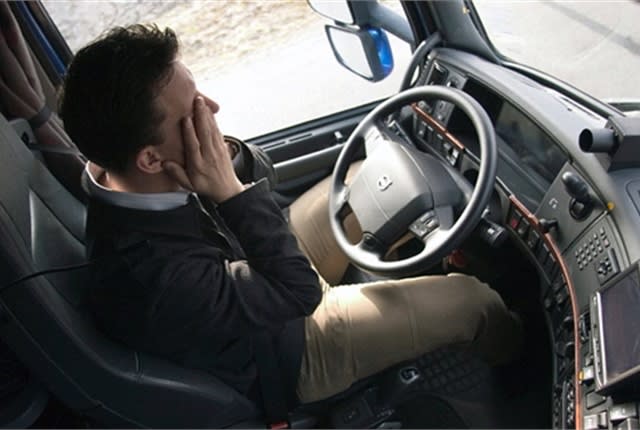
Image: Volvo Group
Six weeks after the Federal Motor Carrier Safety Administration and the Federal Railroad Administration pulled their advance notice of proposed rulemaking on obstructive sleep apnea, Democrats in both the House and Senate are pushing back.
The legislation they’re sponsoring would force the Department of Transportation to mandate sleep-apnea testing and treatment for both truck drivers and railroad engineers.
The lawmakers’ move also came just a week after the National Transportation Safety Board said that engineers involved in two deadly commuter-train crashes near New York City were diagnosed with sleep apnea.
Senator Bob Menendez (D-NJ) introduced the bill in the Senate, where it is cosponsored by Senators Cory Booker (D-NJ), Charles Schumer (D-NY) and Kirsten Gillibrand (D-NY). A companion bill was introduced in the House by Representatives Bill Pascrell, Jr. (D-NJ) and Albio Sires (D-NJ).
“Whether on the roads or the rails, the safety of the traveling public must be our highest transportation priority,” said Sen. Menendez, Ranking Member of the Senate’s mass transit subcommittee. “I’m disappointed that the administration chose to put the traveling public at risk by ignoring the threat sleep apnea poses. This legislation would address that failure and implement this commonsense public safety policy to protect riders, save lives, and make our rails and roadways safer.”
Sen. Booker, Ranking Member of the Senate subcommittee on rail infrastructure called the administration’s pulling of the sleep apnea pre-rule “shortsighted and reckless.”
According to Senate Minority Leader Schumer, a federal law “would force all rail lines— in New York, New Jersey and across the country— to conduct these [apnea] tests in perpetuity and with clear federal guidelines. Across-the-board sleep apnea testing must be law of the land for train operators and commercial drivers to help ensure us that the tragedies that happened in Brooklyn and in Hoboken will be prevented in the future.”
A press release issued by the three senators stated that back in August, they had pressed Transportation Elaine Chao on DOT’s decision to withdraw the proposed pre-rule to mandate sleep apnea testing “if a symptom is observed.”
In a letter to Secretary Chao, the senators requested they receive the data DOT used to make the decision to withdraw the rule along with DOT’s plan to identify and treat rail operators and truckers afflicted with obstructive sleep apnea.
The actual pre-rule in question (RIN 2126-AB88 and 2130-AC52), titled “Evaluation of Safety Sensitive Personnel for OSA,” specifically sought “data and information concerning the prevalence of moderate-to-severe obstructive sleep apnea among individuals occupying safety sensitive positions in rail and highway transportation.”
In their original notice, issued back in March, FMCSA and FRA had also requested information about the potential economic impact and safety benefits associated with “regulatory actions that would result in transportation workers in these positions, who exhibit multiple risk factors for OSA, undergoing evaluation by a healthcare professional with expertise in sleep disorders, and subsequent treatment.”
In their August notice of withdrawal of the pre-rule, the agencies stated they had received more than 700 comments on regulating sleep apnea from individuals, medical professionals, labor groups, and transportation industry stakeholders as well as from the National Transportation Safety Board.
At that time, FMCSA said that it was reminding medical examiners that “there are no FMCSA rules or other regulatory guidance beyond” existing Medical Review Board recommendations that already “provide objective criteria for identifying drivers who may be at greater risk for OSA.”
Related: Feds Withdraw Sleep Apnea Pre-Rule

The American Transportation Research Institute will examine driver coaching, regulatory impacts — including the "Beyond Compliance" concept —and weather disruptions that shape trucking operations.
Read More →
Fleet Advantage's Brian Antonellis says it's time for fleets to get back to the fundamentals of good maintenance practices. And that includes replacing older, inefficient equipment.
Read More →
Load matching for flatbed, lowbed, oversize and overweight loads can't be automated like basic van freight, but Truckstop.com is adding more high-tech tools to help.
Read More →
An expanded Trucker Path and Truckstop.com integration brings more freight opportunities into the TruckLoads app while emphasizing security and network quality.
Read More →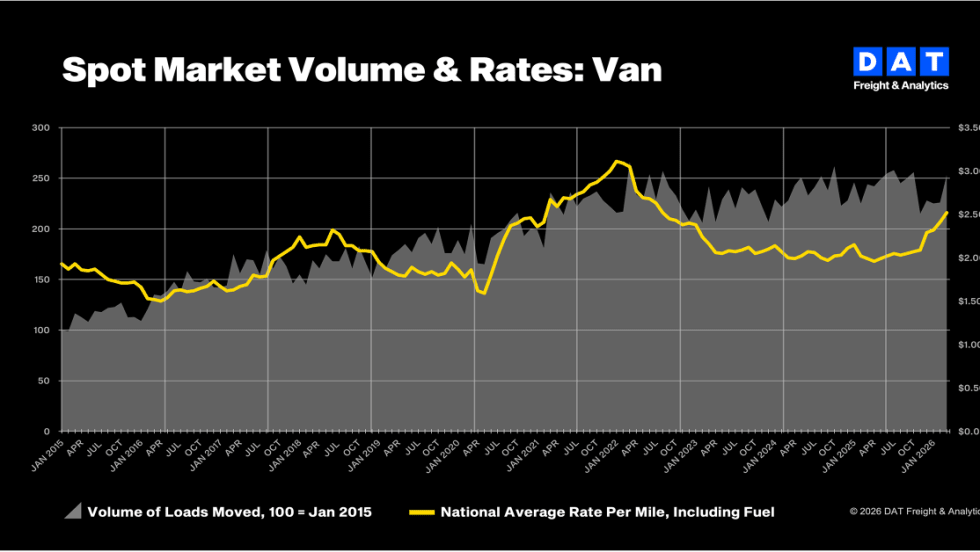
Strong March freight demand combined with a spike in fuel costs pushed both spot and contract truckload rates to their highest levels in more than two years.
Read More →
Everyone’s talking about AI — but is your transportation management system actually built for it?
Read More →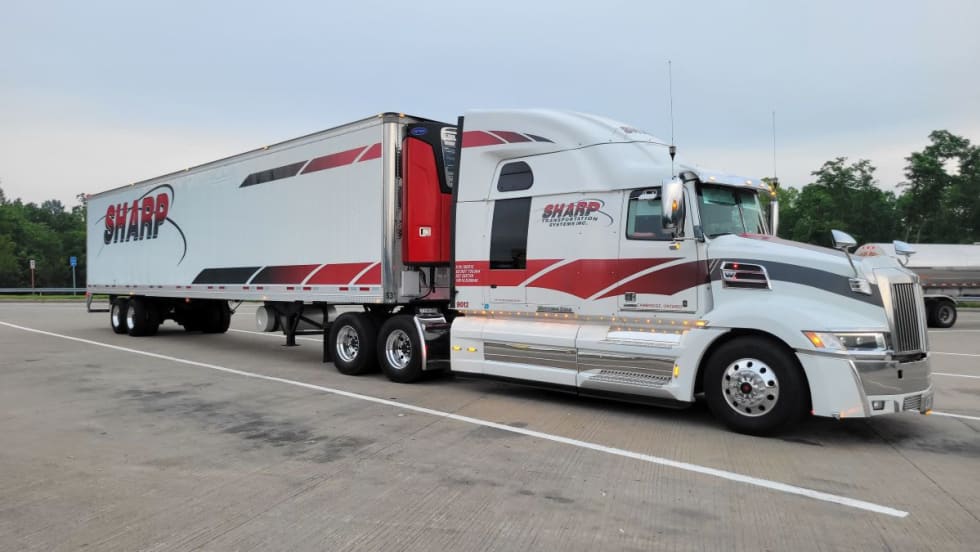
Being part of KTG will allow Sharp to expand and improve its services.
Read More →
The Fair Compensation for Truck Crash Victims Act would increase insurance requirements for interstate motor carriers by nearly seven times.
Read More →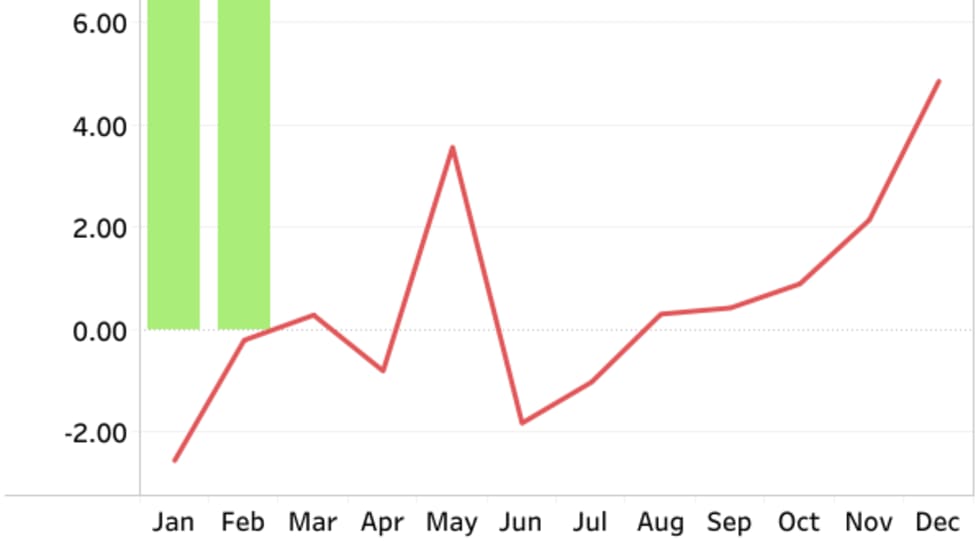
Strong freight rates push TCI to 10.2, but FTR expects fuel-price volatility to skew March results.
Read More →
C.H. Robinson is waiving fees on fuel cards and cash advances for April and May, aiming to help carriers offset rising diesel costs tied to geopolitical instability.
Read More →