




Related: Hurricane Harvey Could Disrupt Trucking for Some Time
Trucking Ready for Harvey Recovery, Spot Market Data Suggests
Noel Perry with FTR and Truckstop.com explores what spot freight data can tell us about Hurricane Harvey’s impact to the trucking industry, examining how the market is predicting conditions on the ground.
by Staff
August 31, 2017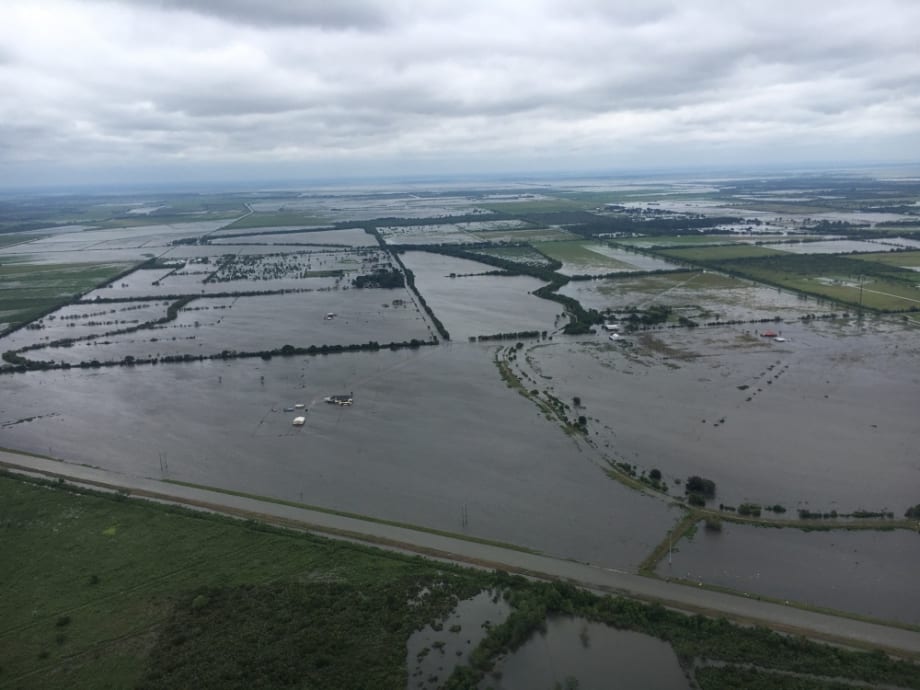
Photo: U.S. Customs and Border Protection Office of Public Affairs - Visual Communications Division
2 min to read
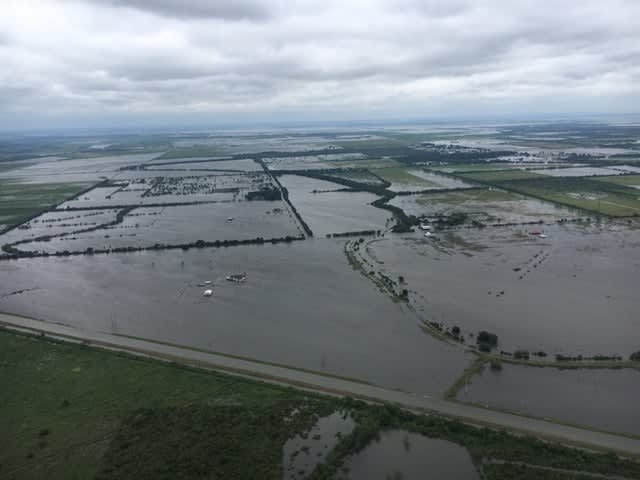
Photo: U.S. Customs and Border Protection Office of Public Affairs - Visual Communications Division
Noel Perry, chief economist of Truckstop.com and partner at FTR, analyzed early data on Hurricane Harvey’s impact to the trucking industry spot market in a recently released report, examining how the market is predicting conditions on the ground.
Interestingly, in the week leading up to Harvey, incoming truck traffic decreased by nearly 20%, which Perry says was the result of truckers not wanting to get stuck in the region. However, even as the storm made landfall, the trend reversed somewhat as emergency supplies began moving into the region in the first few days.
The storm's effects on the ground were undeniable, as all goods leaving the area came to a virtual standstill. Again in the early part of the storm there was a burst of outbound activity, but for now, it seems, nobody is producing anything in the Gulf region until there is some guarantee that traffic will be able to carry it.
“Early in the storm, there were two days of aggressive outbound moves in dry van, when people seemed to realize it was now or never," Perry wrote. "Currently? Loads are very hard to come by. As a result, outbound prices have fallen, down 16% overall for the last week."
Because of the lack of outbound traffic, inbound freight is coming at a premium, with prices currently up 25% moving into Texas. Because of the likelihood that there will be no freight to take out of the region, freight companies are adding cost to the front end, according to Perry.
With the waters finally receding from Houston and the recovery and rebuilding effort getting set to begin, the dry van market has been hot because of the trailer’s versatility in transporting multiple types of goods. On the opposite end, reefers are way down as perishable goods producers are still not sure that their time-sensitive loads can be stored safely at the destination with the lack of power in some areas. Flatbed operators are currently anticipating the influx of rebuilding supplies and equipment.
Ultimately, it’s not just roads that need to be cleared in order for normal activity to return to the area. Weather also disrupts supply chains, says Perry, and it could be months before those supply chains recover. Until then, freight haulers will be less productive and more expensive. Also, because of the size and scope of the affected region, and its importance to several industries, national prices are expected to react more strongly to the storm than would normally occur for such a localized event.
More Fleet Management
Why This Trucking Recovery Is Different
Freight demand remains sluggish, but rising costs and tougher enforcement have taken enough capacity out of the market to change the outlook for motor carriers.
Read More →
Platform Science Adds Dispatch and Safety Tools
Four additions to PS Fleet help fleets monitor loads, manage driver coaching, share truck locations and adjust video system settings.
Read More →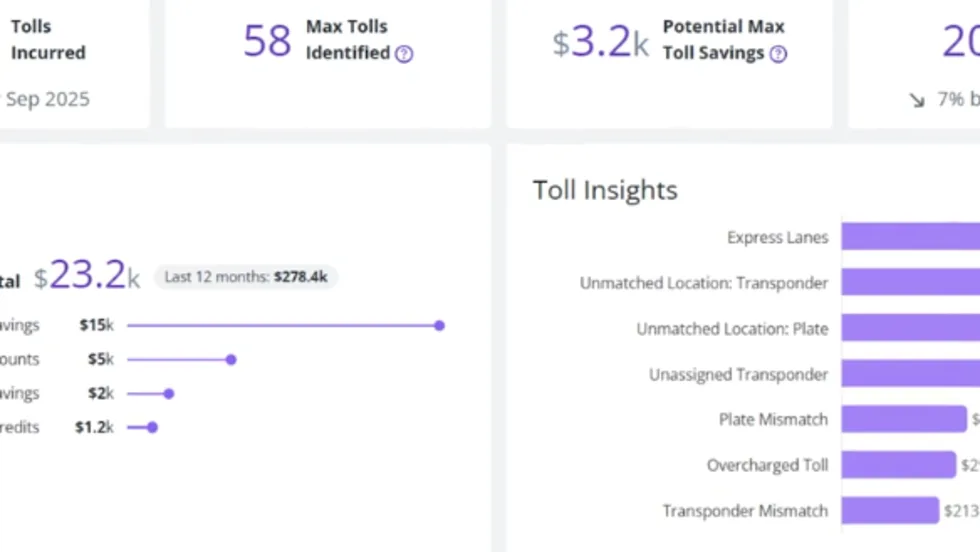
PrePass Intelligence Mines Fleet Bypass, Toll and Safety Data
PrePass Intelligence helps fleets measure bypass savings, flag potential toll overcharges, and spot suspicious transactions by combining data from separate systems.
Read More →
Motive Adds AI Agents for Fleet Operations
New tools automate follow-up on fleet data, from maintenance work orders to driver alerts, with two-way voice conversations planned for later this year.
Read More →
Can You Beat Our Trucking Trivia Challenge?
Test your truck knowledge with 19 trivia questions from Heavy Duty Trucking Exchange. Can you keep up with the fleet pros?
Read More →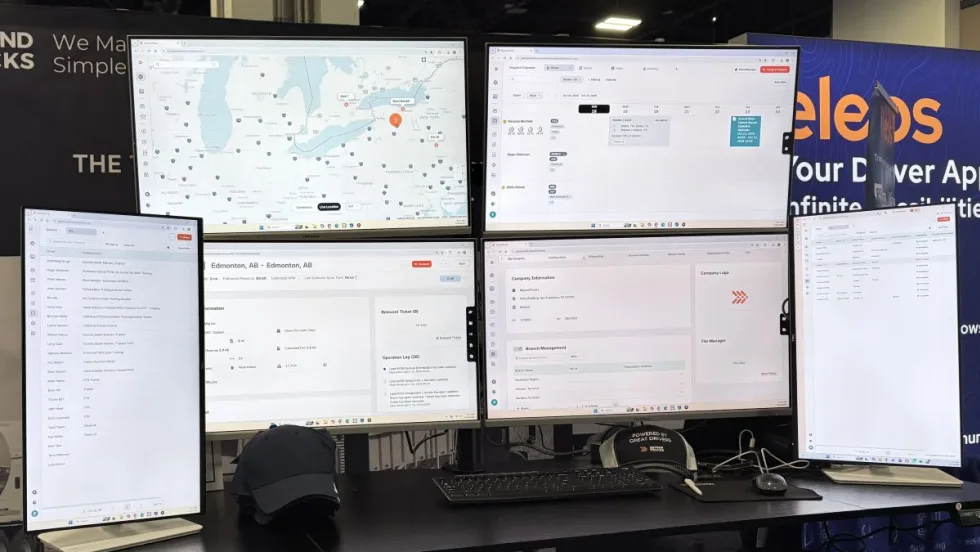
BeyondTrucks Adds Rules Checks to Dispatch
New Compatibility Engine checks driver qualifications, equipment requirements and fleet policies before loads are dispatched.
Read More →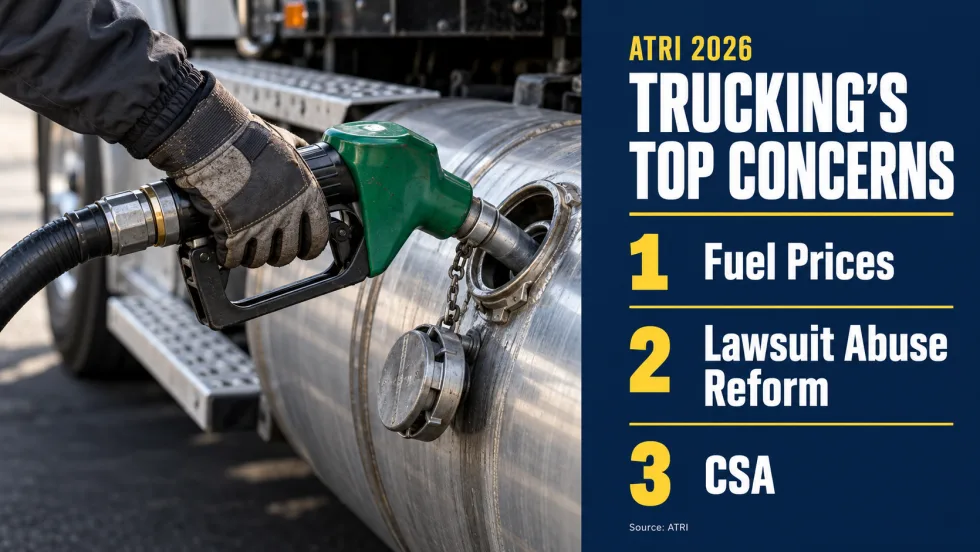
Diesel Prices Hijack Trucking’s Worry List
ATRI’s annual survey finds cautious optimism about freight, but diesel costs, litigation, and insurance continue to squeeze fleets. Drivers have different priorities on several issues.
Read More →
Nomination Deadline Extended for HDT Emerging Leaders
Just a few more days to nominate accomplished trucking fleet professionals under 40 who are making an impact and helping lead the industry forward for the HDT Emerging Leaders award. Deadline extended to October 20!
Read More →
What Will ATA’s New Leader Bring to Trucking's Table?
Incoming President and CEO Mark Colson’s record in Alabama offers clues about his priorities and approach following Chris Spear’s abrupt departure as the head of the American Trucking Associations.
Read More →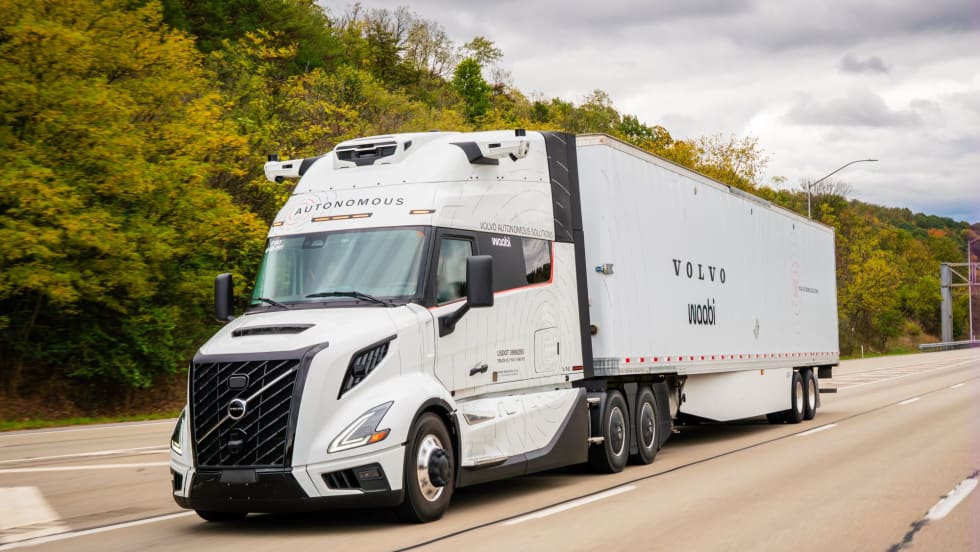
Volvo, Waabi Start Commercial Autonomous Operations in Texas
Volvo VNL Autonomous trucks, powered by the Waabi Driver, are hauling freight directly to third-party facilities for a customer in Texas.
Read More →