




Harvey Damage Raises Fuel Prices, Lowers Oil Prices
As a result of the flood damage caused by Hurricane Harvey, fuel prices are rising across the country – but curiously, crude oil prices have dropped at the same time.


Photo: U.S. Coast Guard District 5/ Petty Officer 3rd Class Corinne Zilnicki

Photo: U.S. Coast Guard District 5/ Petty Officer 3rd Class Corinne Zilnicki
As a result of the flood damage caused by Hurricane Harvey, fuel prices are rising across the country – but curiously, crude oil prices have dropped at the same time.
In the oil-producing Gulf region affected by the storm, eight Texas refineries have been shut down with as much as 2.7 million barrels per day of oil processing potential, according to the Oil Price Information Service. In the most recent report from the Energy Department, diesel prices hit a yearly high of $2.60 per gallon on average for the week, but the price reflected less than 1 cent of increase nationally. Much of the price increase will likely be reflected in next week’s numbers, as rain and flooding from Harvey could continue until Thursday, Aug. 31.
While the refineries were shut off as a precaution for the storm, flood damage has occurred at some facilities. ExxonMobil revealed that its Baytown and Beaumont refineries were flooded and unable to contain certain chemical pollutants as a result.
The immediate area of the Gulf States and the Northeast are expected to be hardest hit by the interruption in oil refining capacity, with OPIS saying that unbranded fuel prices will increase in most parts of the U.S. as well.
The hurricane is having the opposite effect on crude oil, however, with prices hitting their lowest point in two months, according to CNN Money. With so many refineries shutting down, the demand for crude oil has slipped as well, and a glut of supply from the shale oil industry is also offsetting the storm’s effect on prices. Demand was also decreased because Houston, the fourth largest metropolitan area in the U.S., has been put out of commission, so the need for gas and diesel fuel in the area is low while roads are flooded and businesses are closed. As much as 30% of Harris County, which contains Houston, is currently under water.
President Trump arrived in Corpus Christi to meet with state and local officials about the ongoing disaster response. In a briefing, he told residents of his intentions to get this disaster response right, saying, “We want to be looked at in five years, in 10 years from now as; this is the way to do it.”
It may be a long-term commitment, as Harvey is already one of the most devastating single storms in U.S. history, dropping over 50 inches of rain in some locations, with only Hawaiian mountain peaks ever having reported higher rain totals. The deluge has dropped over 9 trillion gallons of water so far, and Tuesday caused a reservoir to spill over for the first time, potentially adding to the flooding.
More Fuel Smarts

Trucking’s Diesel Squeeze Isn’t Letting Up
With diesel topping $6 a gallon nationally, ATA's Bob Costello explains why fleets should prepare for continued pressure at the pump.
Read More →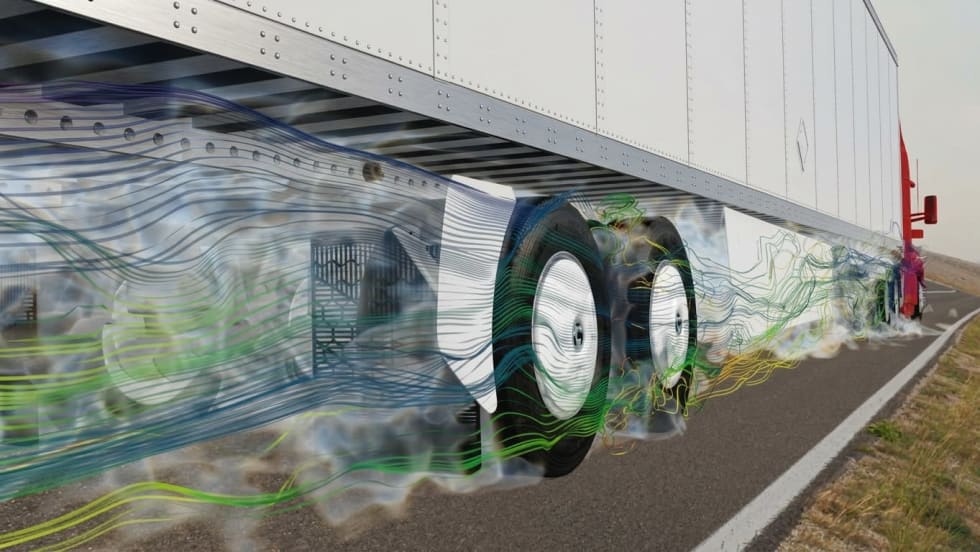
FlowBelow Redesigns Trailer AeroSlider to Cut Fuel Use
The lighter trailer aerodynamic system installs in less than 45 minutes, according to the company, with potential payback in under a year depending on fuel prices and trailer mileage.
Read More →
Why Diesel Price Relief Efforts May Fall Short
Diesel prices have eased from September’s record high, but doubts about additional Russian supply and limits on dyed-diesel tax relief mean trucking fleets still face expensive fuel. And prices could go higher.
Read More →
Why Small Fuel Savings Matter in Trucking
Can better fuel economy help pay for driver raises? In this podcast, GP Transco explains how small efficiency gains create room to reinvest in its people.
Read More →
How GP Transco Cuts Trucking Fuel Costs, a Tenth of a Gallon at a Time
What’s another tenth of a mile per gallon worth? GP Transco shares how equipment upgrades and driver coaching turn small gains into meaningful fuel savings.
Read More →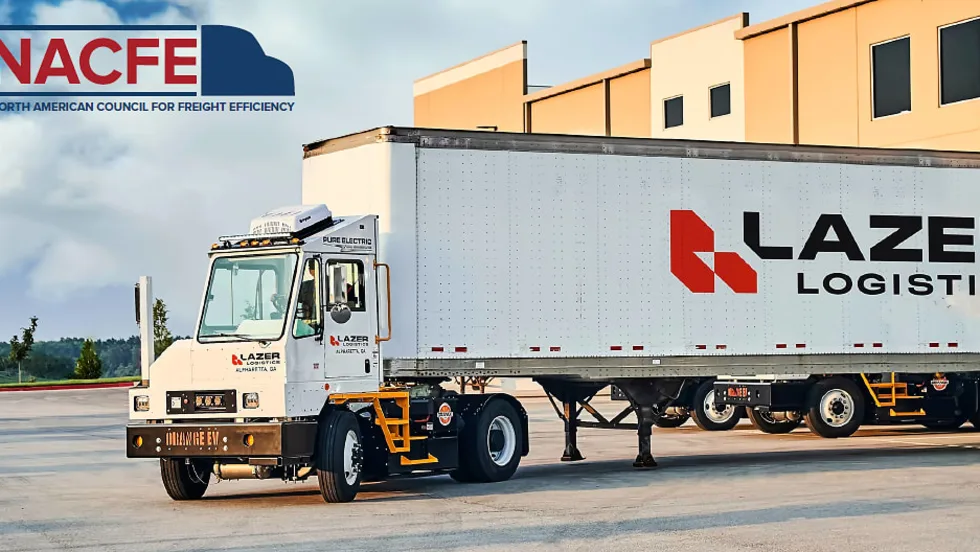
Electric Yard Tractors Move Beyond Pilots
Operating-cost savings have overtaken sustainability goals as the leading reason surveyed fleets are adopting battery-electric terminal tractors, according to new NACFE research.
Read More →
Geotab Links Fleet Card to Vehicle Data
The new card combines fuel discounts with telematics-based purchase controls. Geotab’s analysis also points to potential savings from choosing lower-priced fuel stops.
Read More →
Fleet Economics Shape Electric Truck Outlook
ACT Research expects costs, charging infrastructure, and technology improvements to drive zero-emission commercial vehicle adoption as federal regulations and incentives retreat.
Read More →
Wex Adds Cardless Fuel Payments for Over-the-Road Customers
A new fuel card feature for Wex customers offers convenience and security.
Read More →
New California Law Could Shed Light on Electric Truck Prices
Why do battery-electric Class 8 trucks remain so expensive? A California bill signed by Gov. Gavin Newsom would give fleets and state agencies more visibility into what manufacturers charge.
Read More →