




Related: Quick Spin in Orange EV's All-Electric Terminal Tractor
Electric Yard Truck Deployed to McDonald's Distribution Network
Orange EV and The Anderson DuBose Company have deployed the first all-electric Class 8 yard truck in the McDonald’s distribution network.
by Staff
August 31, 2017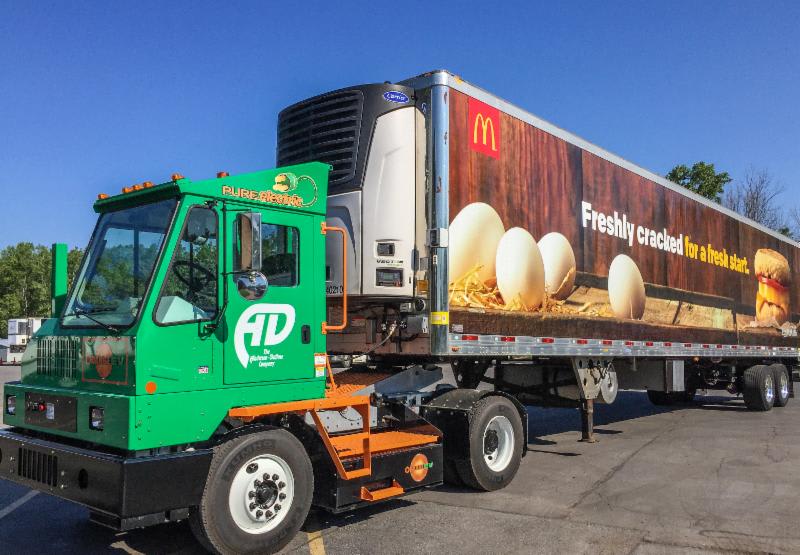
Drivers like the yard truck's quiet operation. Photo: Orange EV
2 min to read
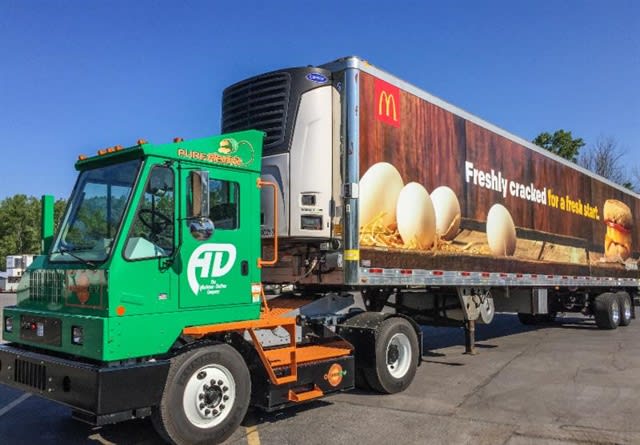
Drivers like the yard truck's quiet operation.Photo: Orange EV
Orange EV and The Anderson DuBose Company are deploying an all-electric Class 8 yard truck in the McDonald’s distribution network.
The Orange EV T-Series electric yard truck replaced a diesel model at The Anderson DuBose Company’s Rochester, New York, distribution center, where it manages and moves dispatch trailers. The truck is seen as an important step in the sustainability efforts of Anderson DuBose and McDonald’s.
Switching to an all-electric yard truck will significantly reduce the company's carbon footprint while also supporting the company’s customer commitment to sustainability. Each year, Anderson DuBose sets aggressive sustainability targets to reduce electricity consumption, diesel fuel usage, and waste-to-landfill.
Anderson DuBose said drivers report that the new truck is smooth, quiet, cool and clean in addition to being environmentally friendly.
“I’ve heard nothing but great comments from the drivers," said Tom Hank, general manager of the Anderson DuBose Rochester facility. "Orange EV’s truck is more comfortable and our operators really like the quiet and smooth operation. Management is pleased that we can provide a safer and healthier working environment – the truck has no engine and no emissions."
The Anderson DuBose Company is a distribution company based in Lordstown, Ohio, and it works closely with the other members of the North American Logistics Council to identify and share best practices.
"Being the first to identify the Orange EV truck and work through the steps to on-board the vehicle enables us to be a resource for the other distributors," said Hank. "They can visit, observe truck operations, understand our design and business case, and hopefully deploy more trucks throughout the country."
More Fuel Smarts

California Bill Could Shed Light on Electric Truck Prices
Why do battery-electric Class 8 trucks remain so expensive? A California bill headed to Gov. Gavin Newsom would give fleets and state agencies more visibility into what manufacturers charge.
Read More →
Detroit Opens Orders for EPA 2027 Engines
Detroit isn’t starting from scratch to meet EPA 2027 diesel emissions standards. Its Gen 6 DD13 and DD15 engines keep much of today’s platform while updating the fuel and aftertreatment systems.
Read More →
Zero-Emission Truck Corridor Planned for West Coast
California, Oregon, Washington, British Columbia and Baja California are coordinating plans for truck charging and hydrogen fueling from Canada to Mexico.
Read More →
A Closer Look at Kenworth’s Electric T880E Vocational Truck [Video]
Learn more about Kenworth's T880E battery-electric vocational truck at the Paccar Technical Center, including its range, applications, upfitting considerations, and PTO options, in this HDT Spotlight video.
Read More →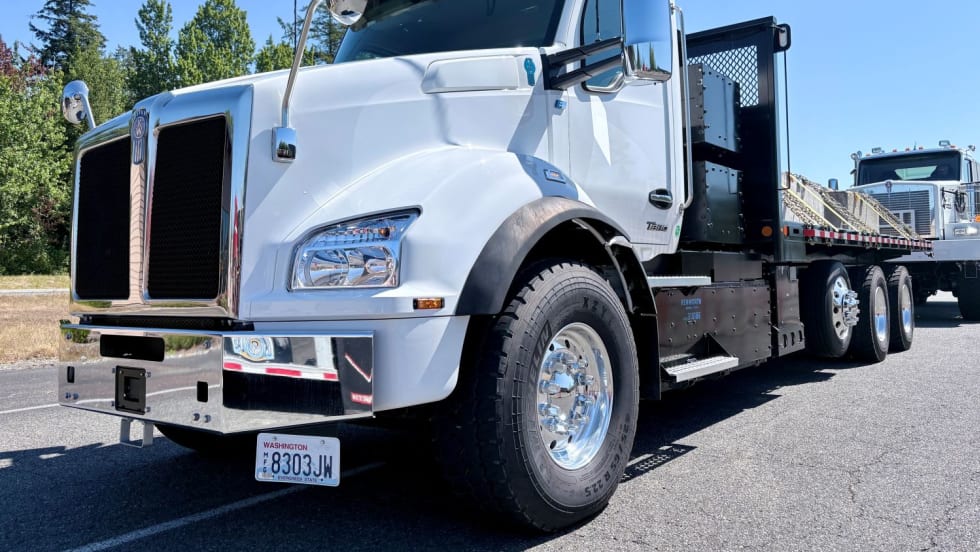
Kenworth T880E Brings EV Power to Vocational Trucks
A closer look at the Kenworth T880E’s range, charging, powertrain and upfit options — and where fleets are showing the most interest.
Read More →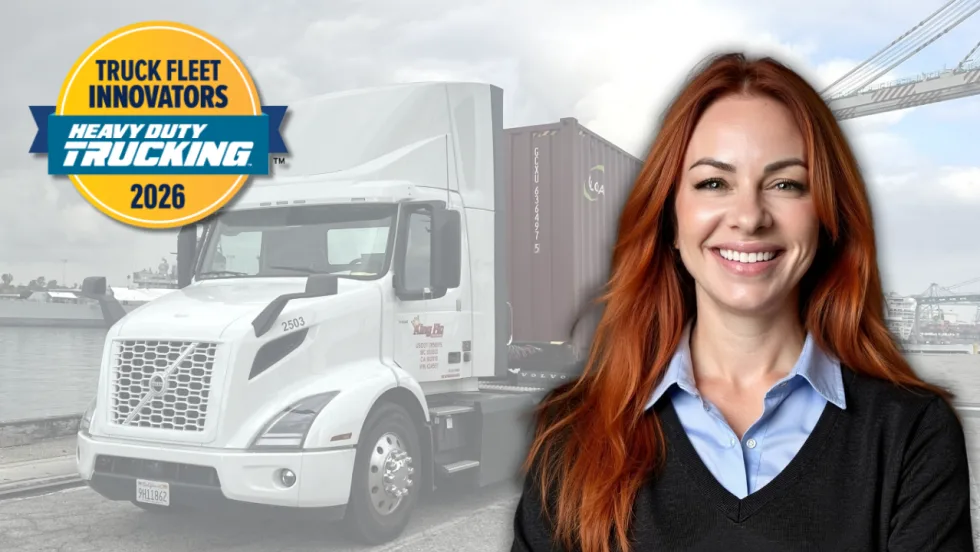
Jennie Abarca Is Proving Electric Trucks Can Do the Job
HDT Truck Fleet Innovator Jennie Abarca is building confidence in fleet electrification one load at a time while openly sharing the challenges she encounters along the way as a small-fleet owner.
Read More →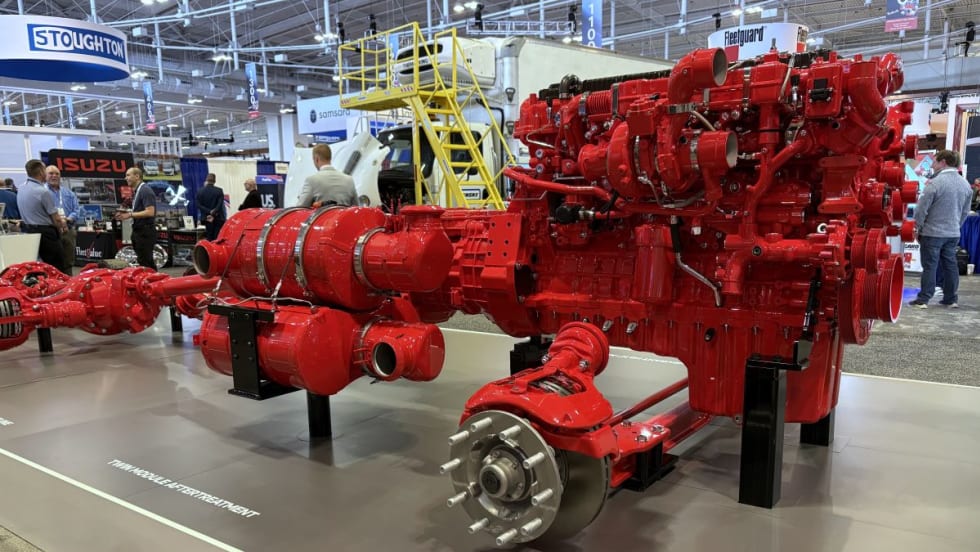
Cummins Adjusts 2027 Engine Rollout After EPA Proposal
The engine maker will gradually introduce its new Model Year 2027 diesel engines while continuing to offer current models during the transition, citing the EPA's proposed emissions rule changes.
Read More →
EPA Proposal Could Ease 2027 Truck Costs and Buying Uncertainty
The proposal doesn't change the tougher NOx standard, but it would revise key implementation requirements that manufacturers say have driven up costs and complicated fleet purchasing decisions.
Read More →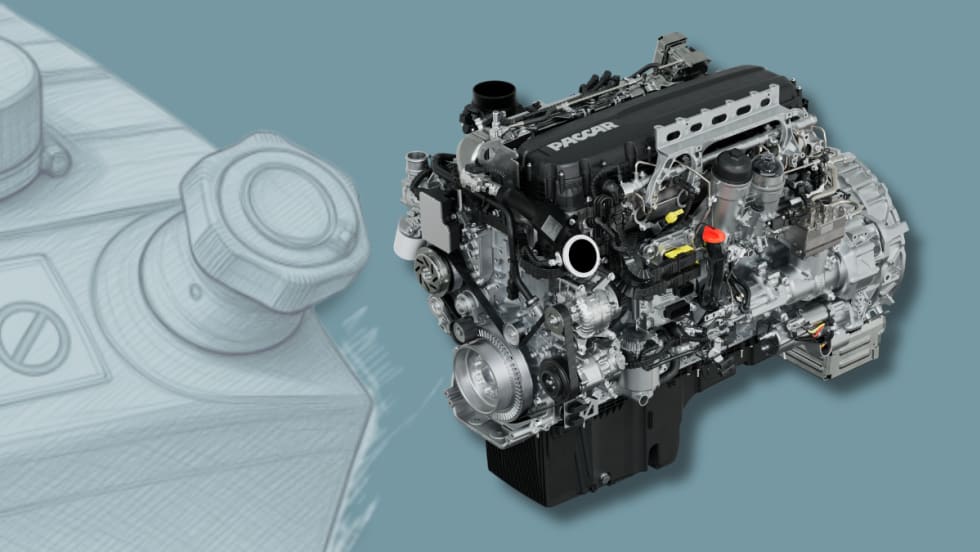
Cummins, Paccar Ease DEF Derates After EPA Guidance
Updated diesel engine software gives truck operators more time to address emissions-system issues while staying compliant with EPA emissions standards.
Read More →
Maintenance in the Messy Middle Part 3: Biodiesel
Biodiesel can reduce emissions, improve fuel-system lubricity and use existing diesel infrastructure. But NACFE’s Messy Middle maintenance report says fleets must actively manage storage, cold-weather operation, filters and oil drain intervals to avoid problems.
Read More →