




Chinese Company to Test Autonomous Trucks in Arizona
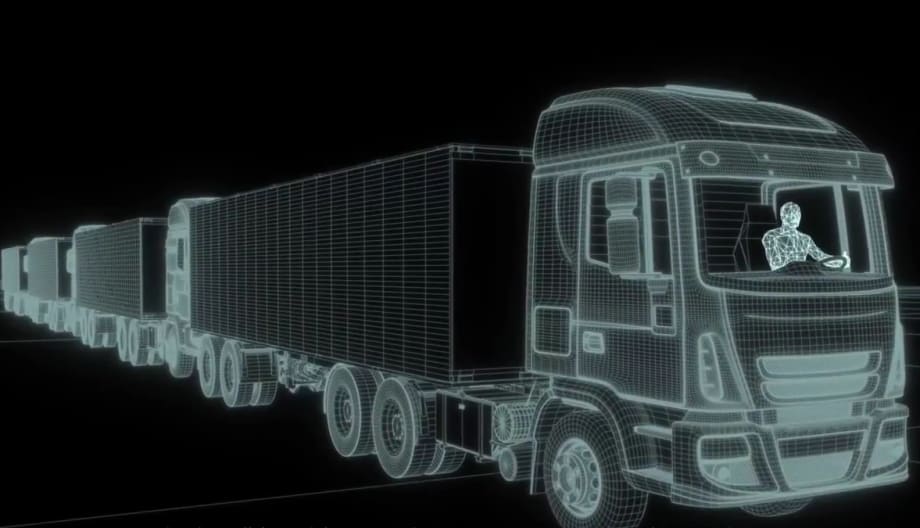
TuSimple, a Chinese autonomous truck startup, has chosen Tucson, Arizona, as the site of its autonomous truck development and testing.
Screenshot via TuSimple
Screenshot via TuSimple
TuSimple, a Chinese autonomous truck startup, has chosen Tucson, Arizona, as the site of its autonomous truck development and testing, according to a report in the Tucson Sentinel.
The company chose a site in Tucson because of Arizona laws that allow the for the testing of autonomous vehicles on public roads – which has been an issue for some Silicon Valley companies in California – and because of the lower cost of living and proximity to a skilled workforce.
The company will operate out of a warehouse on the west side of the city with as many as 30 engineers rotating between Tuscon and the company’s San Diego office. TuSimple plans to begin testing its vehicles on Arizona highways within months with a fleet of 10-25 vehicles.
The company is ultimately working toward completely autonomous vehicles, but plans to test current technologies with drivers in the cab, building up millions of test miles to prove the safety of self-driving vehicles.
TuSimple is being backed by computer chip maker Nvidia, which recently announced an investment in TuSimple, and has already worked with Paccar on self-driving truck technology through its Nvidia Drive PX 2 artificial intelligence computing platform, powered by the company’s computer chips.
More Equipment
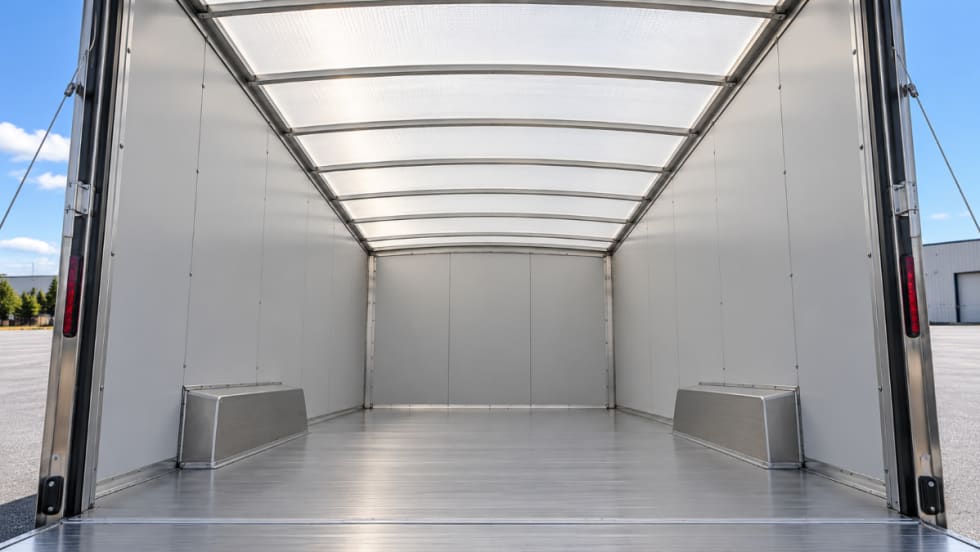
Tekmodo Introduces CargoBright Brand for Translucent Trailer Roofs
CargoBright is designed to diffuse daylight across the cargo area while performing as a working vehicle roof.
Read More →
Fleet Economics Shape Electric Truck Outlook
ACT Research expects costs, charging infrastructure, and technology improvements to drive zero-emission commercial vehicle adoption as federal regulations and incentives retreat.
Read More →
Kodiak Targets Dallas–Houston for Driverless Trucks
The company says its autonomous trucks are completing the I-45 run without a safety observer taking control. It plans to remove the observer by the end of 2026.
Read More →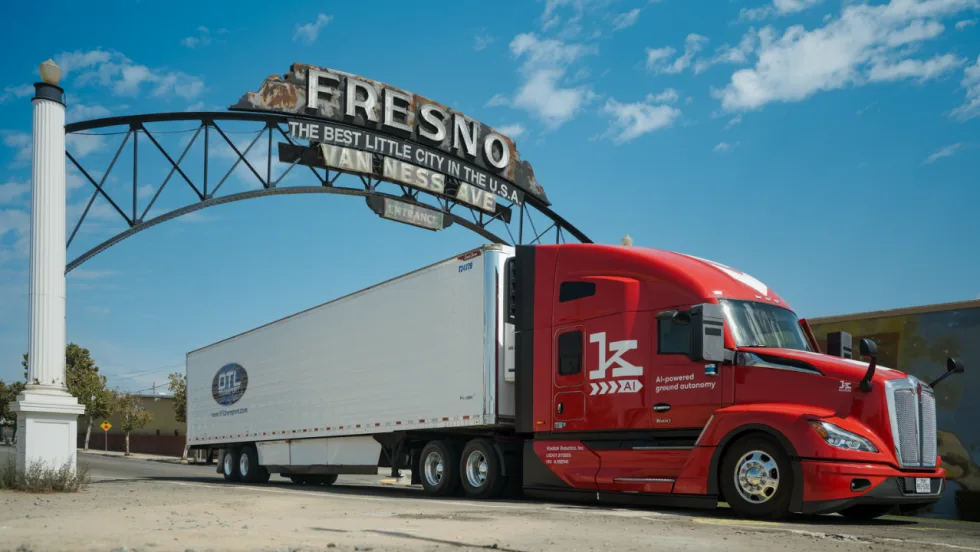
Kodiak Hauls Produce in California Autonomous Truck Pilot
Kodiak AI and DTL Transport have begun hauling produce between Fresno and Los Angeles under California’s new rules for testing heavy-duty autonomous trucks. A safety driver remains behind the wheel.
Read More →
Used-Truck Remarketing Math Is Changing
Used-truck value is no longer just a concern at trade-in. Decisions made throughout a truck’s first life can influence what it’s worth years later.
Read More →
How Volvo Updated Its D13 for EPA 2027 [Watch]
Volvo’s updated D13 promises lower emissions without sacrificing performance or fuel economy. Take a closer look at what changed inside the engine in this HDT Spotlight video.
Read More →
Michelin Tire Improves Efficiency and Durability for Regional Fleets
The Michelin X Multi Energy D2 is a regional haul drive tire engineered to help fleets improve fuel efficiency, durability and traction in demanding stop-and-go operations.
Read More →
ZF Expands Commercial Vehicle Push in North America
ZF is expanding its North American commercial-vehicle presence with new transmission applications, electrification, trailer technology and autonomous-driving systems.
Read More →
Tesla Wants a Self-Driving Semi. Are Cameras Enough?
Could Tesla’s camera-only autonomous driving technology work on an 80,000-pound Semi? In this commentary, HDT's Deborah Lockridge takes a look at Tesla, Cybercab, and how autonomous trucks see the road.
Read More →Kodiak: Driverless Long-Haul Truck Launch on Track for 2026
Kodiak AI says its driverless long-haul safety case is 93% complete and it remains on track to begin commercial operations by year-end 2026.
Read More →