




OOIDA Vows to Continue Fight Against Mandatory ELDs
The Owner-Operator Independent Drivers Association says it’s not giving up on its battle against mandatory electronic logging devices, despite its failure to get the Supreme Court to review the constitutionality of the ELD mandate that goes into effect this December.
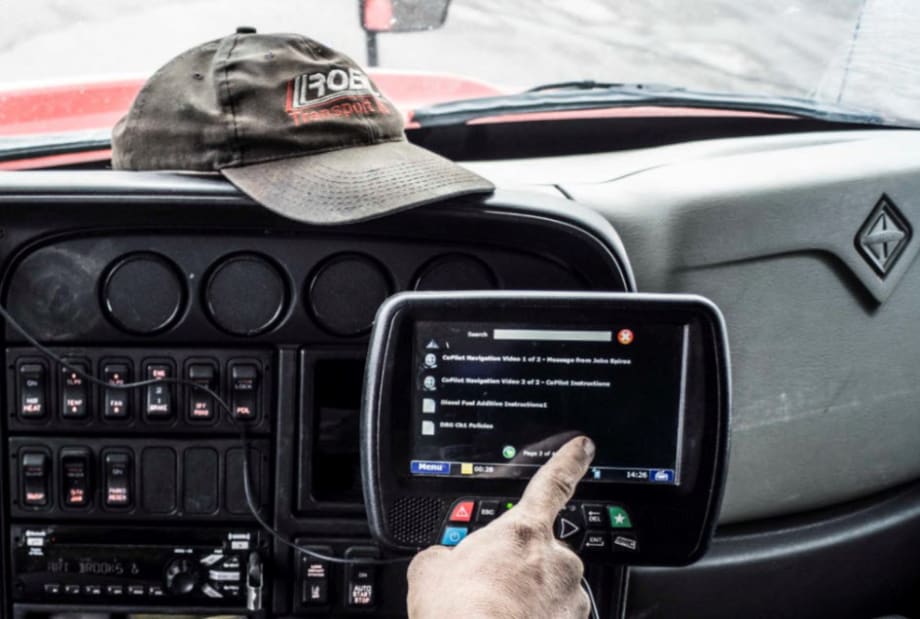
OOIDA claims ELDs aren't any more effective at preventing crashes than paper logs. Photo: Roehl
The Owner-Operator Independent Drivers Association says it’s not giving up on its battle against mandatory electronic logging devices, despite its failure to get the Supreme Court to review the constitutionality of the ELD mandate that goes into effect this December.
The U.S. Supreme Court announced Monday that OOIDA's appeal to the high court will not be reviewed.
OOIDA contends that a mandate to electronically track commercial truck drivers was never about safety and that the government was never able to demonstrate how such a mandate would improve safety.
“We are extremely disappointed that the Supreme Court does not see the merit in reviewing our case with so many questions about its constitutionality,” said Jim Johnston, president and CEO of OOIDA.
Johnston said OOIDA will continue to pursue the issue on the congressional side as part of its “Knock Out Bad Regs” campaign and will continue to communicate with the Trump administration about this and other regulations.
OOIDA had filed the petition seeking a review of a ruling from the U.S. Court of Appeals for the Seventh Circuit regarding the electronic logging device mandate. The court had ruled against the association last year on its lawsuit against the Federal Motor Carrier Safety Administration.
OOIDA says mandating electronic logging devices is the equivalent of warrantless surveillance of truckers and that the government’s weak excuses for doing so fail to justify violating drivers’ Fourth Amendment rights.
The association also says there are still many questions about the technical specifications and enforcement aspects of the mandate.
“The mandate has everything to do with large, economically motivated entities using the government to impose their will on small businesses which comprise the majority of the trucking industry. Until the government is able to answer many fundamental and basic questions about the mandate, they should at least delay its implementation,” said Johnston.
OOIDA contends that requiring electronic monitoring devices on commercial vehicles does not advance safety. Because ELDs can only track movement and location of a vehicle and still require driver input to determine on-duty and off-duty status, OOIDA says, they are no more reliable than paper logbooks for recording compliance with hours-of-service regulations.
In its petition to the Supreme Court, OOIDA asked the court to determine whether the ELD rule violated the Fourth Amendment by failing to establish a regulatory structure at the state and federal levels that serves as a substitute for a warrant.
More Safety & Compliance

NYC Expands Speed, Pedestrian Safety Tech Across Fleet
New York City is expanding intelligent speed assistance and pedestrian-alert systems across its municipal fleet, moving the technologies from pilot programs into vehicle procurement and retrofit requirements.
Read More →
FMCSA Removes 110 Truck Driver Training Schools from Certified ELDT List
Federal regulators also are targeting more than 160 additional training providers and launching a nationwide audit of third-party CDL skills testers as part of a broader crackdown on trucking fraud.
Read More →
Beyond DOT Compliance: What Makes a Trucking Fleet Truly Safe?
A trucking fleet can follow every rule and still make unsafe decisions. The real test comes when safety conflicts with freight, productivity, or cost.
Read More →
Hours of Service Pilot Programs: FMCSA Readies for 2027 Rollout
Two pilot programs could eventually reshape hours-of-service rules, giving truck drivers options to pause their 14-hour clock or use longer split sleeper rest periods.
Read More →
New Guide Offers Pet Safety Tips for Truck Drivers
Hundreds of thousands of pets travel in truck cabs. A new safety guide from Volvo Trucks and the Center for Pet Safety offers practical advice for truck drivers who bring dogs and cats along for the ride.
Read More →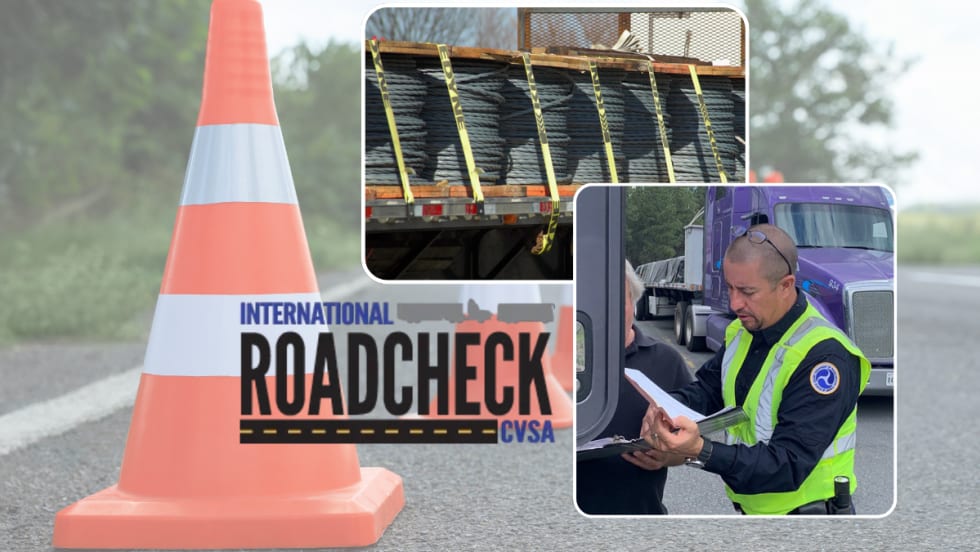
Medical Cards, English Proficiency Reshape Roadcheck Violations
Medical-card violations jumped to the top of the driver out-of-service list during CVSA’s 2026 International Roadcheck, while English-language proficiency violations appeared among the leading violations for the first time.
Read More →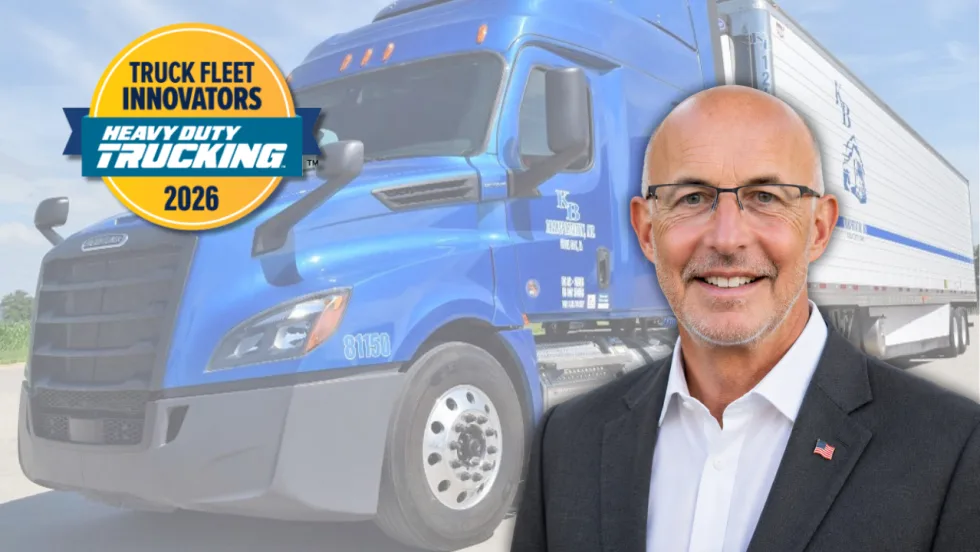
How Lance Evans Turns Enforcement Experience Into Better Fleet Safety
HDT Truck Fleet Innovator Lance Evans brings lessons from law enforcement to K&B Transportation’s approach to safety technology, data, driver coaching, and compliance.
Read More →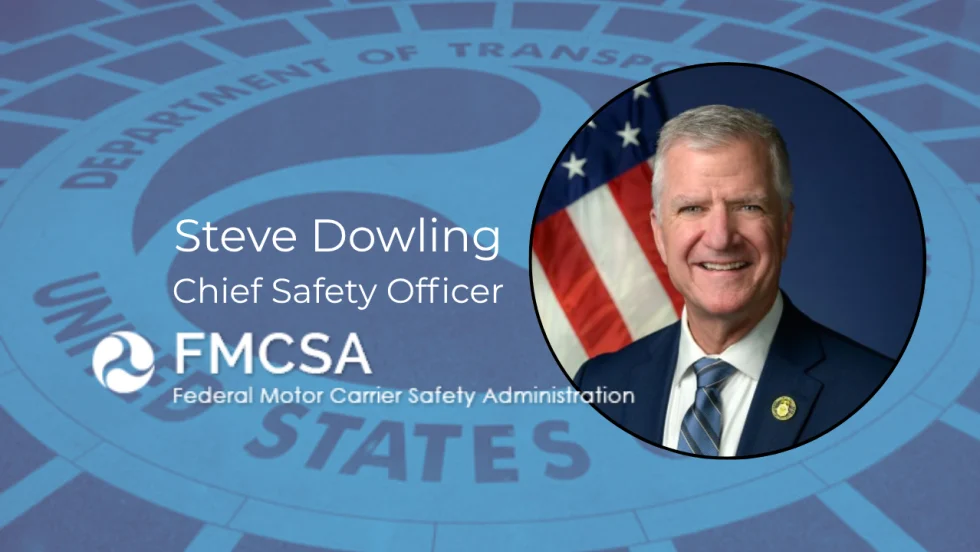
New FMCSA Chief Safety Officer Has Trucking Industry and Law Enforcement Experience
Steve Dowling joins FMCSA after serving as senior director of safety at Covenant Logistics and in leadership roles in commercial motor vehicle industry organizations.
Read More →
Driver Trust Can Make or Break the Success of Fleet Safety Technology
New Teletrac Navman research suggests that onboarding, transparency about driver data, and positive feedback can play a significant role in how commercial drivers respond to safety and coaching technology.
Read More →
FMCSA: Stop Using These 15 Electronic Logging Devices
Fleets and drivers must replace the revoked ELDs with ones on the FMCSA's registered device list of electronic logging devices.
Read More →