




Cummins Westport 'Playbook' Offers Guidance on Natural Gas for Fleets
Cummins Westport's new Natural Gas Playbook is a website to give new and existing natural gas customers guidance on evaluating and operating CWI-powered natural gas vehicles.
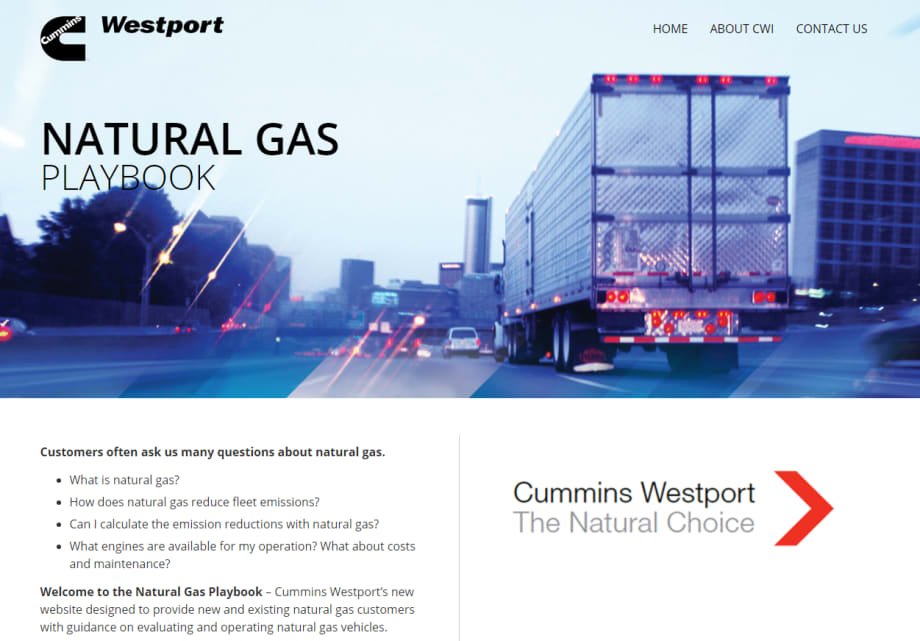
Screenshot of Natural Gas Playbook website
Screenshot of Natural Gas Playbook website
Cummins Westport's new Natural Gas Playbook is a website to give new and existing natural gas customers guidance on evaluating and operating CWI-powered natural gas vehicles.
Located at www.cwiplaybook.com, the five-step Natural Gas Playbook features information and tips on how to assess, specify, prepare, implement, and operate/maintain a CWI-powered natural gas fleet. The website provides answers for fleets that have questions about operating natural gas vehicles.
The Natural Gas Playbook answers questions such as:
What is natural gas and how does it reduce fleet emissions?
Can I calculate the emission reductions with natural gas?
What are zero carbon renewable fuels?
How do natural gas engines operate, and what about my application and the operational costs and maintenance requirements?
In addition to tips and tools for CWI products, the playbook also offers the opportunity to connect with Cummins and CWI experts to answer questions and support the adoption of natural gas into truck, refuse, school bus and transit applications.
The site features two new calculators.
The Greenhouse Gas Emissions Calculator calculator is based on three published North American well-to-wheel GHG Models: GREET, GREET California, and GHGenius. It provides the carbon dioxide equivalent WTW emission reductions possible with the use of natural gas or renewable natural gas in a variety of applications.
The Payback Calculator is a tool to calculate fuel savings, average fleet speed, service intervals, and fuel system capacity requirements.
More Fuel Smarts
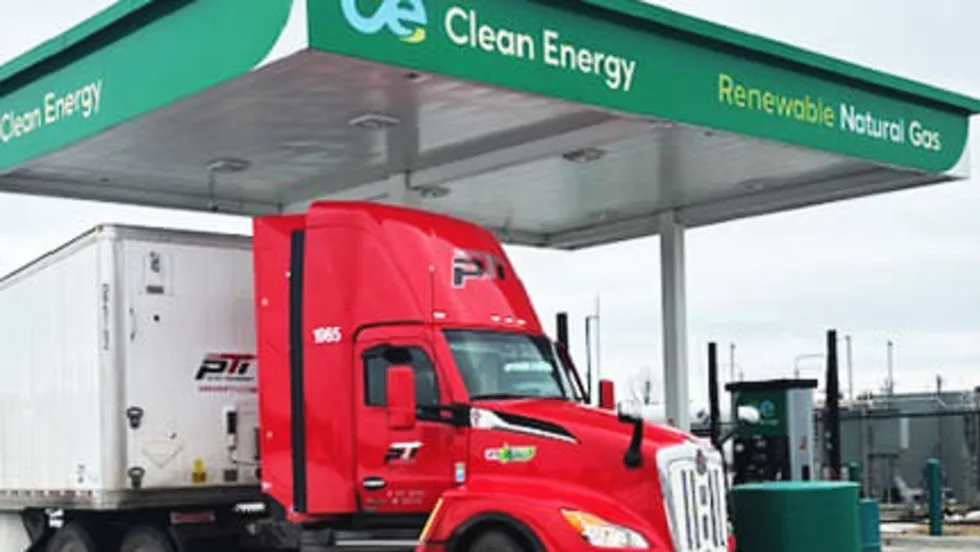
Paper Transport Puts RNG to Work for Shipper
Eight renewable natural gas trucks are hauling freight for Graphic Packaging, part of Paper Transport’s growing mix of alternative-fuel transportation options that also includes a Tesla Semi pilot.
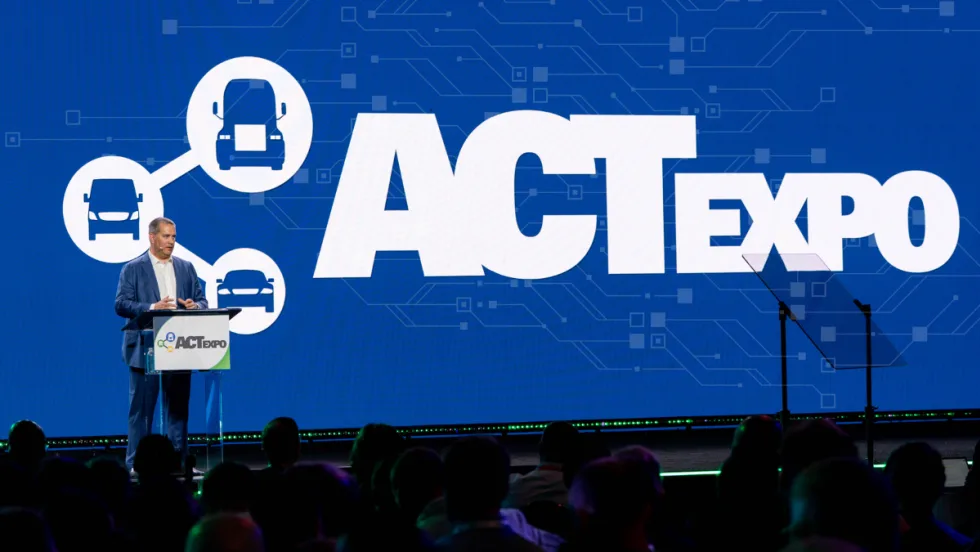
Fleet Costs Shape ACT Expo 2027 Agenda
With diesel prices high and operating expenses under pressure, ACT Expo's 2027 agenda emphasizes fuel efficiency, AI, safety and the return on fleet technology investments.

How GP Transco Builds Fuel Savings a Fraction at a Time
Aerodynamic specs, solar panels, and driver incentives help GP Transco turn small efficiency gains into savings it can reinvest in its people.
Trucking’s Diesel Squeeze Isn’t Letting Up
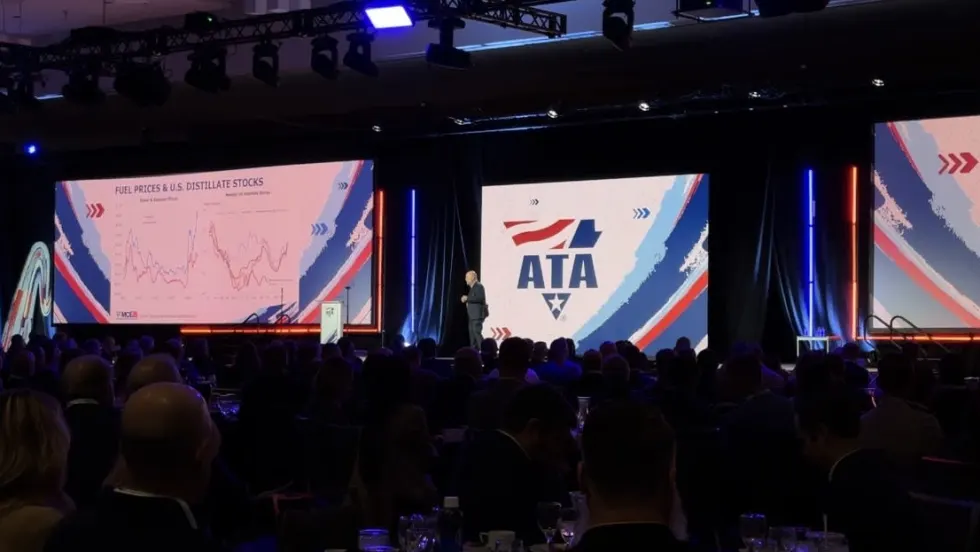
With diesel topping $6 a gallon nationally, ATA's Bob Costello explains why fleets should prepare for continued pressure at the pump.
FlowBelow Redesigns Trailer AeroSlider to Cut Fuel Use
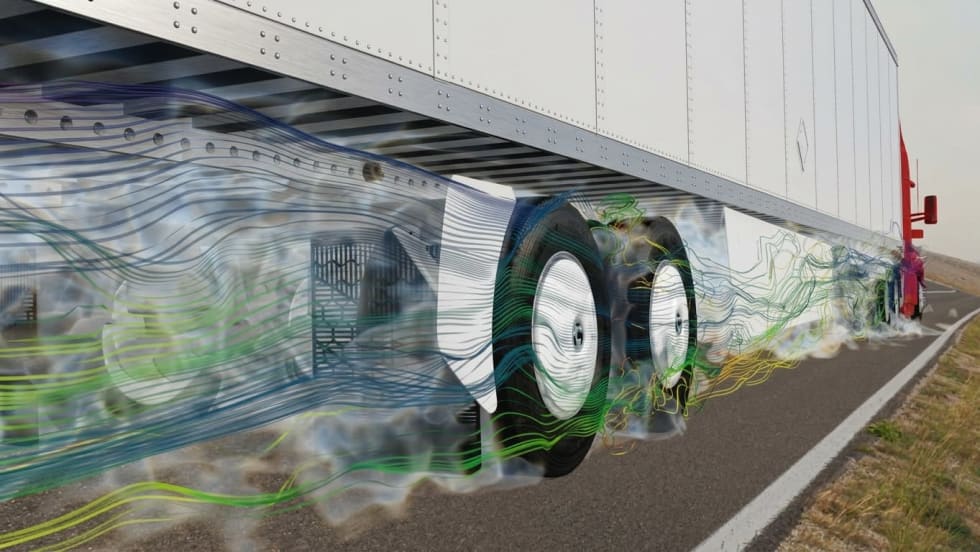
The lighter trailer aerodynamic system installs in less than 45 minutes, according to the company, with potential payback in under a year depending on fuel prices and trailer mileage.
Why Diesel Price Relief Efforts May Fall Short
Diesel prices have eased from September’s record high, but doubts about additional Russian supply and limits on dyed-diesel tax relief mean trucking fleets still face expensive fuel. And prices could go higher.
Why Small Fuel Savings Matter in Trucking [Podcast]
Can better fuel economy help pay for driver raises? In this episode of the HDT Talks Trucking podcast, GP Transco explains how small efficiency gains create room to reinvest in its people.

How GP Transco Cuts Trucking Fuel Costs, a Tenth of a Gallon at a Time
What’s another tenth of a mile per gallon worth? GP Transco shares how equipment upgrades and driver coaching turn small gains into meaningful fuel savings.

Electric Yard Tractors Move Beyond Pilots
Operating-cost savings have overtaken sustainability goals as the leading reason surveyed fleets are adopting battery-electric terminal tractors, according to new NACFE research.
Geotab Links Fleet Card to Vehicle Data
The new card combines fuel discounts with telematics-based purchase controls. Geotab’s analysis also points to potential savings from choosing lower-priced fuel stops.