




USA Truck Names Rick Hainlen VP of Revenue Operations
USA Truck has added another new executive to its leadership team, bringing on Rick Hainlen as its vice president of revenue operations.
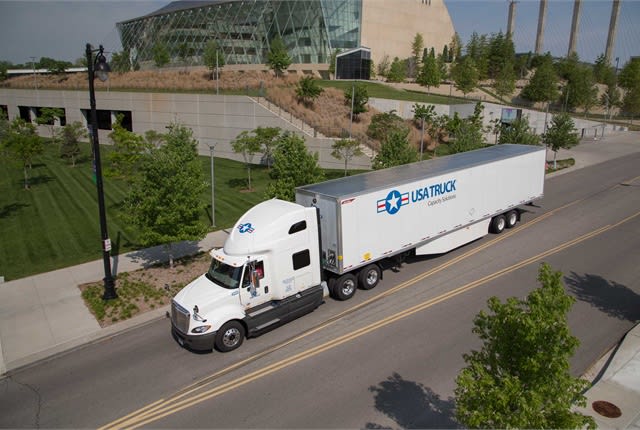
USA Truck has added another new executive to its leadership team, bringing on Rick Hainlen as its vice president of revenue operations.
Hainlen has a background in revenue management, working for companies such as Red Classic Transportation Services, where he served as director of yield management and network optimization. He held similar positions with several carriers including P.A.M. Transportation, Celadon Group, CFI, and Anderson Trucking Service.
This is the latest in a string of leadership hires for Van Buren, Arkansas-based USA Truck, which in the past few months named a new president and CEO, executive vice president, trucking operations president, and vice president and chief technology officer.
“With all respect to the incredible talent we’ve added to our leadership team in the past 60 days, Rick may be the most significant addition we’ve made,” said James Reed, president and CEO of USA Truck. “He is widely recognized as one of the most talented and experienced pricing leader in the truckload sector.”
Earlier this month, USA Truck reported its net loss in the first quarter widened to $4.9 million, or 61 cents per share, compared to a net loss of $1.8 million, or 19 cents per share, a year earlier. This happened as revenue declined to $101.7 million from $110.6 million. A consensus estimate from analysts had forecast a loss of 12 cents per share for the first quarter.
However, USA Truck expects to “return to operating profitability” in the third quarter, said Reed when announcing quarterly earnings. “Having now completed three months in the role as USA Truck’s CEO, I believe we are making important strides toward improving our trucking segment’s productivity, and taking the right steps in building a lean and efficient company that can generate profits in the relative near-term and create sustainable value over time."
More Fleet Management

Kodiak Lines Up Fleets for Driverless Trucking
An agreement for 75 trucks, a new Texas freight lane, and progress on safety validation move Kodiak closer to its planned driverless highway launch.
Read More →
ITS Logistics Settles Religious Harassment Case
The Nevada-based logistics firm agreed to pay more than $396,000 to settle a religious harassment charge involving an employee's Jewish identity.
Read More →
Your Trucks Are Busy. That Doesn’t Mean They’re Winning.
High utilization doesn’t always mean strong margins. Looking beyond the current load can help fleets make better dispatch decisions and get more value from each truck’s time.
Read More →
Why This Trucking Recovery Is Different
Freight demand remains sluggish, but rising costs and tougher enforcement have taken enough capacity out of the market to change the outlook for motor carriers.
Read More →
Platform Science Adds Dispatch and Safety Tools
Four additions to PS Fleet help fleets monitor loads, manage driver coaching, share truck locations and adjust video system settings.
Read More →
PrePass Intelligence Mines Fleet Bypass, Toll and Safety Data
PrePass Intelligence helps fleets measure bypass savings, flag potential toll overcharges, and spot suspicious transactions by combining data from separate systems.
Read More →
Motive Adds AI Agents for Fleet Operations
New tools automate follow-up on fleet data, from maintenance work orders to driver alerts, with two-way voice conversations planned for later this year.
Read More →
Can You Beat Our Trucking Trivia Challenge?
Test your truck knowledge with 19 trivia questions from Heavy Duty Trucking Exchange. Can you keep up with the fleet pros?
Read More →
BeyondTrucks Adds Rules Checks to Dispatch
New Compatibility Engine checks driver qualifications, equipment requirements and fleet policies before loads are dispatched.
Read More →
Diesel Prices Hijack Trucking’s Worry List
ATRI’s annual survey finds cautious optimism about freight, but diesel costs, litigation, and insurance continue to squeeze fleets. Drivers have different priorities on several issues.
Read More →