




Peterbilt Adds Three Model 520 Configurations, Shows Electric Demo
Peterbilt showcased three new cab configurations of the Model 520 refuse truck and displayed a battery-electric demo version at the WasteExpo 2017 show in New Orleans.
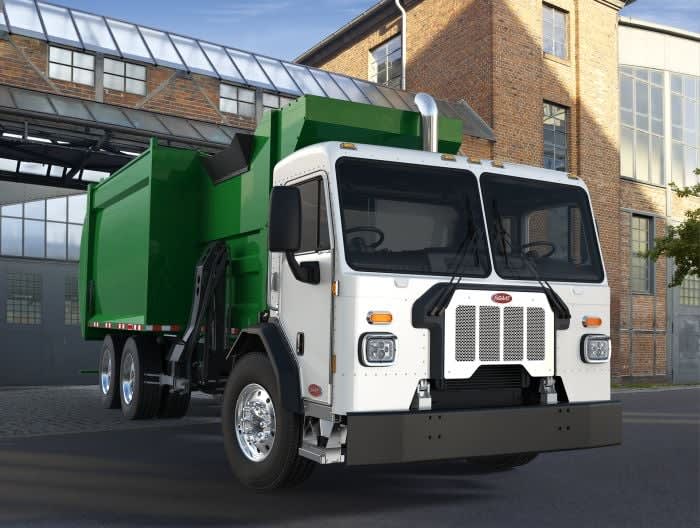
Photo by Peterbilt.

Peterbilt showcased three new cab configurations of the Model 520 refuse truck and displayed a battery-electric demo version at the WasteExpo 2017 show in New Orleans.
The Model 520 is now available in left-hand drive, right-hand drive, and right-hand stand-up drive configurations in addition to the existing dual-seated drive configuration. The left-hand drive and right-hand drive configurations are designed to provide a comfortable seated driving position for the driver while in transit or performing curbside operations. The redesigned right-hand stand-up cab configuration provides easier ingress and egress for those applications that require the driver to exit the cab multiple times during a route.
"The Model 520 provides superior performance and adaptability in rugged operating environments," said Robert Woodall, Peterbilt’s assistant general manager of sales and marketing. "Offering a full lineup of cab configurations for the refuse market further enhances the versatility of this vocational vehicle for our customers’ operations."
The company also displayed a Model 520 refuse truck demo with an advanced battery-electric drive system. The truck was equipped with a Transpower ElecTruck drive system that uses high-power electric motors, inverters, and batteries to power commercial trucks weighing as much as 80,000 pounds.
"Peterbilt is working closely with its partners to explore the capabilities and performance of battery-electric drive systems," said Scott Newhouse, Peterbilt chief engineer. "Customers in urban environments and applications such as drayage and refuse collection stand to benefit from the zero-emissions performance of these advanced vehicles."
The version of the drive system developed for the Model 20 uses a 300-kilowatt-hour battery pack that offers up to 65 miles or eight hours of operation on a single charge during urban refuse use. The ElecTruck system also features a 70-kilowatt onboard battery charger that can fully charge the truck’s lithium-ion battery pack in two to four hours.
An electric Model 520 will be put into service for a municipal customer in California, according to Peterbilt vocational segment manager Tony Sablar. The unit will work under the same conditions as other conventional trucks in the fleet and its performance will be evaluated. Peterbilt will then assess the customer's level of interest in additional battery electric vehicles. Going forward, government grants and other subsidies could also be a determining factor in the viability of the electric refuse truck technology, according to Peterbilt.
"Powering heavy refuse trucks is a logical next step in the adaptation of our electric drive technology to vehicles requiring conversion to zero-emission operation," said Joshua Goldman, TransPower’s vice president of business development.
More Fuel Smarts
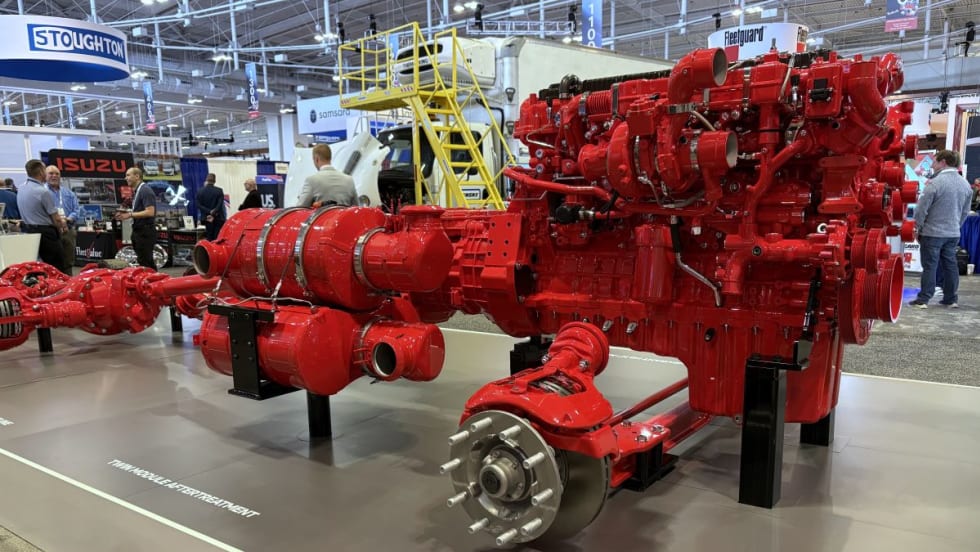
Cummins Adjusts 2027 Engine Rollout After EPA Proposal
The engine maker will gradually introduce its new Model Year 2027 diesel engines while continuing to offer current models during the transition, citing the EPA's proposed emissions rule changes.
Read More →
EPA Proposal Could Ease 2027 Truck Costs and Buying Uncertainty
The proposal doesn't change the tougher NOx standard, but it would revise key implementation requirements that manufacturers say have driven up costs and complicated fleet purchasing decisions.
Read More →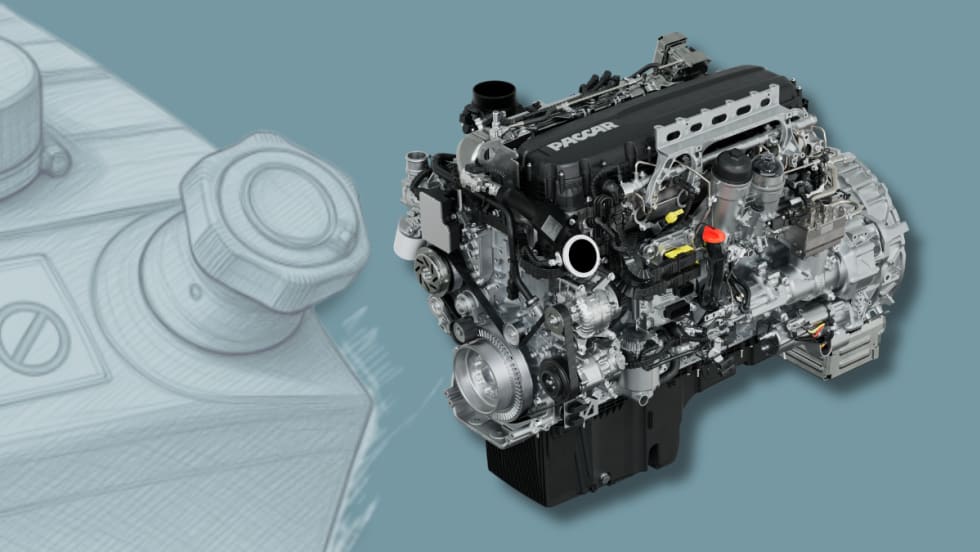
Cummins, Paccar Ease DEF Derates After EPA Guidance
Updated diesel engine software gives truck operators more time to address emissions-system issues while staying compliant with EPA emissions standards.
Read More →
Maintenance in the Messy Middle Part 3: Biodiesel
Biodiesel can reduce emissions, improve fuel-system lubricity and use existing diesel infrastructure. But NACFE’s Messy Middle maintenance report says fleets must actively manage storage, cold-weather operation, filters and oil drain intervals to avoid problems.
Read More →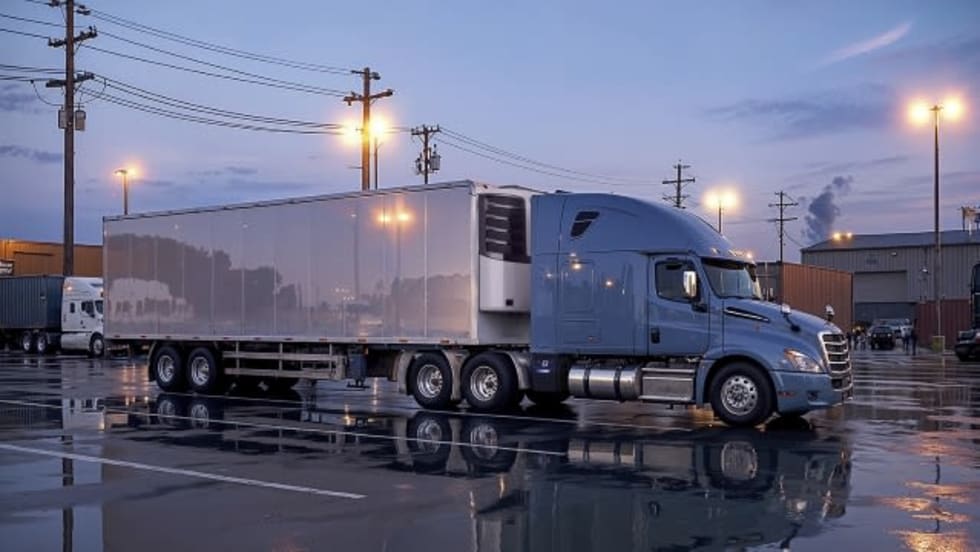
Enhance Fleet Performance with High-Efficiency Auxiliary Power Units
Drive sustainable cost savings while increasing driver comfort during short- and long-haul logistics operations.
Read More →
Maintenance in the ‘Messy Middle’ Part 2: Renewable Diesel Fuel
NACFE's latest Messy Middle Powertrain Service & Maintenance report says renewable diesel gives fleets an opportunity to reduce carbon emissions without changing trucks, fueling infrastructure or maintenance practices. But technicians still need to understand several important operational differences.
Read More →
The Diesel Engine Enters NACFE’s ‘Messy Middle’
NACFE’s new Messy Middle Powertrain Service & Maintenance report says keeping modern diesel engines running now depends as much on software, diagnostics and data as traditional mechanical service.
Read More →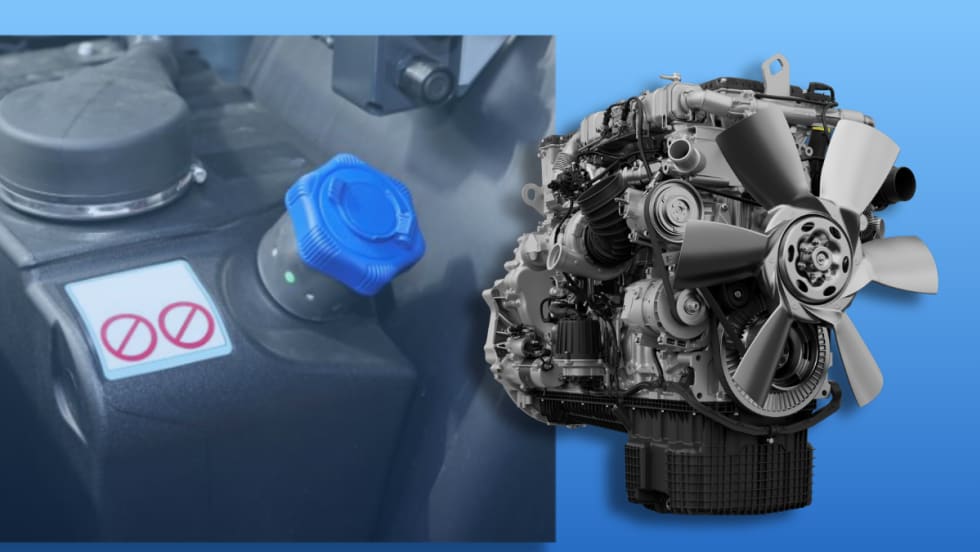
DTNA Software Update Gives Truckers More Time Before DEF Derates Take Effect
The changes reflect EPA guidance aimed at reducing downtime caused by emissions-system faults while maintaining compliance requirements.
Read More →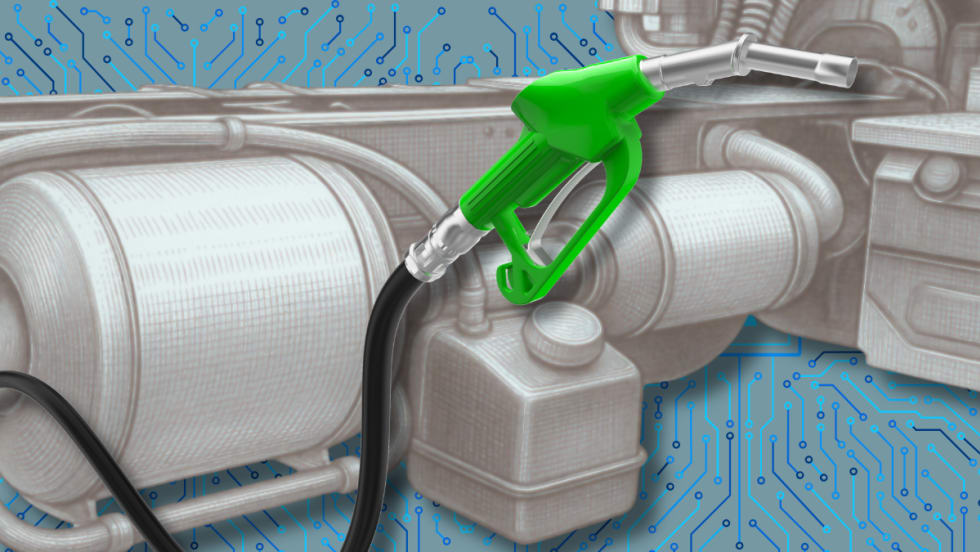
New Agentic Predictive Maintenance Report Demonstrates How Degraded Aftertreatment Systems Waste Fuel
Questar analyzed a large mixed-class fleet and discovered it was wasting as much as $30 in fuel per vehicle, per day, because of mechanically degraded aftertreatment systems.
Read More →
New York City's Microhub Project is Delivering Results
Trucking, last-mile delivery companies, and environmental advocates like what they are seeing so far with New York's microhub program.
Read More →