Cummins Westport Introduces 2018 Natural Gas Engines
Cummins Westport announced its model year 2018 lineup of renamed natural gas engines for regional haul, vocational, transit, bus and refuse applications.
by Staff
May 1, 2017
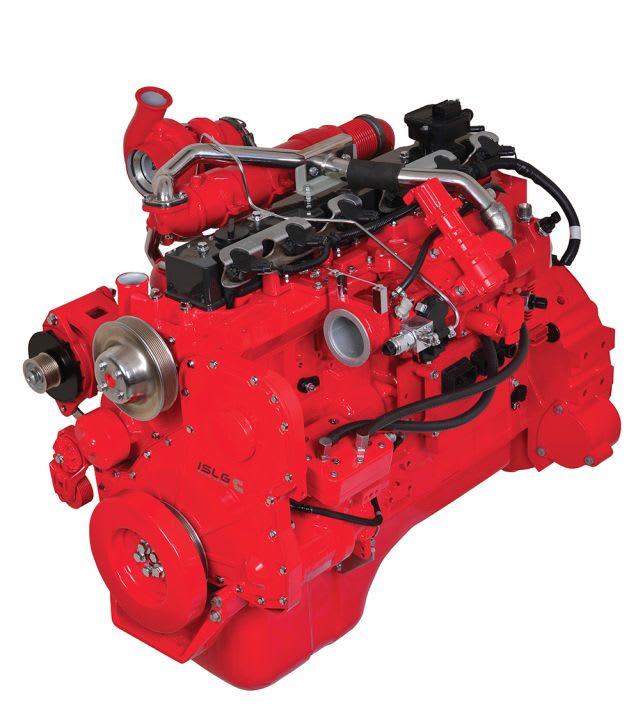
Cummins Westport ISL G Near Zero Engine (Image courtesy of Cumins)
2 min to read
Cummins 2017 B6.7 Engine (Image courtesy of Cummins)
Cummins Westport announced its model-year 2018 lineup of renamed natural gas engines for regional haul, vocational, transit, bus, and refuse applications.
The new lineup comes with a name change. Following Cummins' tradition of using B, L, and X series letters followed by the engine displacement, the new natural gas engines will add an “N” designation.
Ad Loading...
The new B6.7N, L9N, and ISX12N engines are EPA and California Air Resources Board Low NOx certified and feature onboard diagnostics, closed crankcase ventilation systems, and performance and reliability improvements, according to the company. The new ISX12N also features a redesigned fuel system with fewer parts and improved performance.
Cummins Westport 6.7- to 12.0L engines are designed for truck and bus applications up to 80,000 pounds. Vehicles can be tailored to perform to meet customer requirements with enough range to offer route flexibility without in-route refueling. For example, on-highway natural gas trucks can have over 700-mile range capability, says the company.
Cummins Westport ISB6.7 G Engine (Image courtesy of Cummins)
Cummins Westport ISL G Near Zero Engine (Image courtesy of Cumins)
All CWI engines offer customers the choice of using compressed natural gas, liquefied natural gas, or renewable natural gas as a fuel. Using a low carbon intensity RNG fuel provides better GHG reductions and is part of the company’s zero emissions strategy.
Ad Loading...
Cummins Westport engines use proprietary spark-ignited, stoichiometric combustion with cooled exhaust gas recirculation technology, and three-way catalyst aftertreatment, which is packaged as a muffler and does not require scheduled maintenance. No diesel particulate filter or selective catalytic reduction aftertreatment is required.
“Our 2018 product line demonstrates an important milestone in product development for Cummins Westport, creating a move to zero emissions strategy for our customers and industry," said Rob Neitzke, president of Cummins Westport. "We are particularly pleased that the ISX12N will join the L9N in offering our on-highway customers the benefits of performance and reliability at an ultra-low emissions level described by California's South Coast Air Quality Management District as equivalent to an electric vehicle. This move to zero emissions strategy means our customers can choose the most affordable path to zero-equivalent emissions with no commercial constraints on supply or technology readiness."
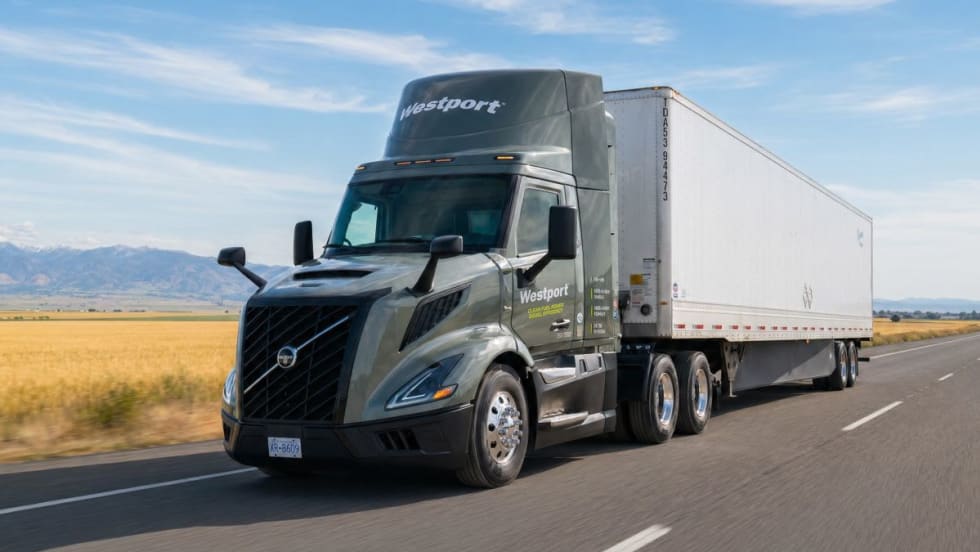
Westport and Volvo are demonstrating a 500-hp truck with diesel-like efficiency — one that also offers what Westport says is a better pathway to using hydrogen fuel in trucks.
Relying on diesel alone exposes fleets to fuel price volatility. Here’s why diversification with electric, natural gas, and renewable fuels can reduce risk.
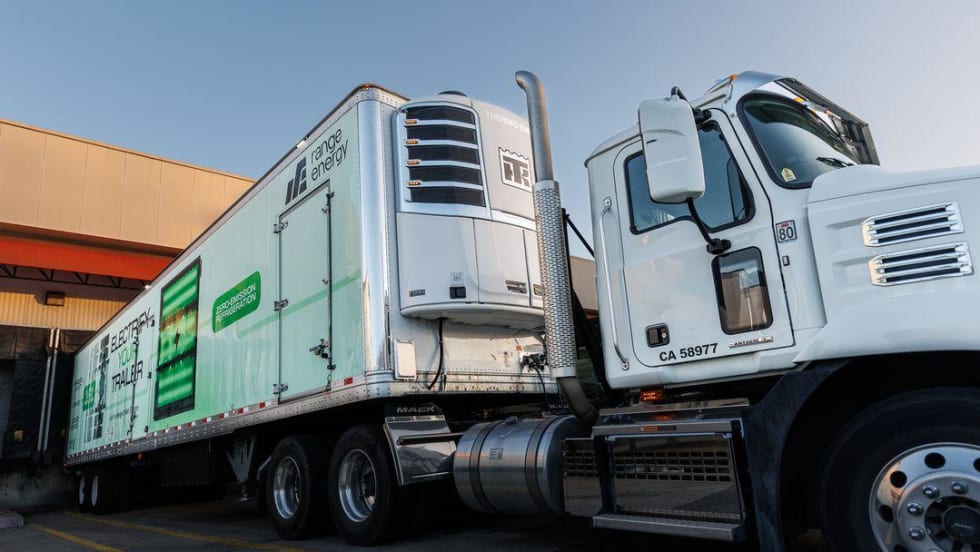
Range Energy said its production-ready eTrailer system proved it can boost stability, safety, and efficiency in sub-zero winter conditions as the company moves toward scaled deployment.
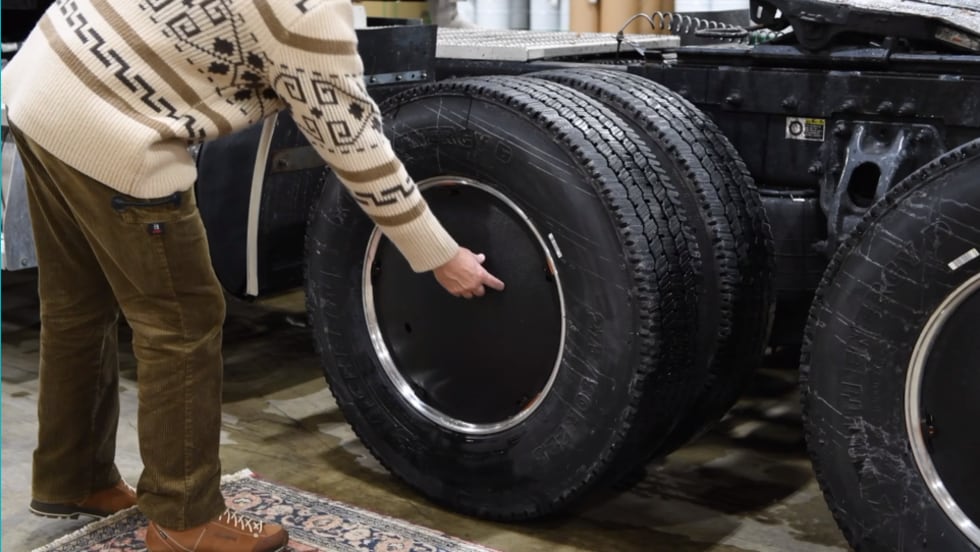
Watch to learn how Deflecktor's new wheel cover design is taking a simpler approach to aerodynamics, with an eye toward making it more practical for both trucks and trailers.
Aerodynamic wheel covers can deliver small but meaningful fuel-economy gains for fleets, and Deflecktor says its latest design aims to make the technology easier and more affordable to deploy.
When diesel prices are as volatile as they've been in 2026, it makes it tough for trucking fleets to plan and control costs. Breakthrough Fuel's Jenny Vander Zanden has insights on near-term savings strategies.