




Related: Waymo Sues Uber, Otto, Alleging Stolen Autonomous Technology
New Autonomous Startups Have Different Takes on Self-Driving Tech
Startup companies Starsky Robotics and Drive.ai are the two latest additions to the burgeoning autonomous vehicle market, each offers a unique take on self-driving technology.
by Staff
March 3, 2017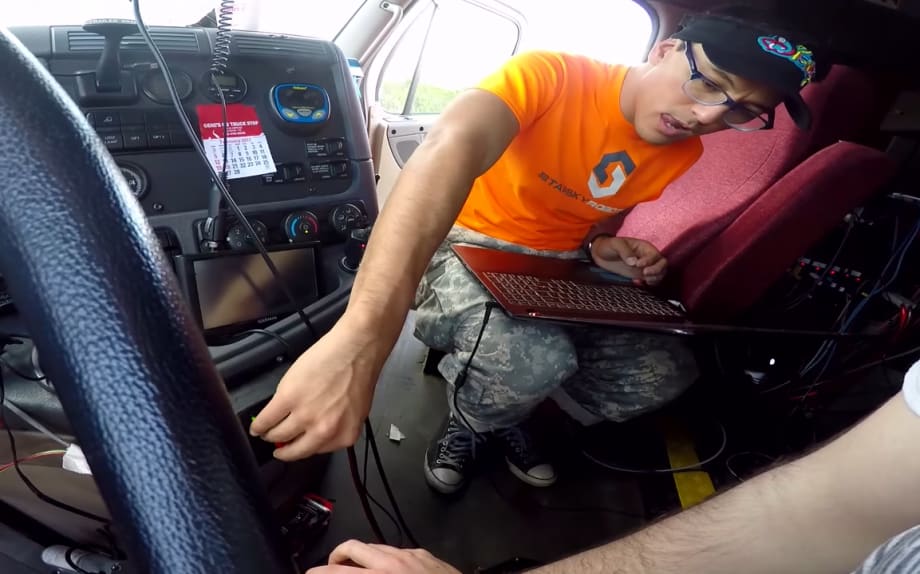
Screenshot via Starksy Robotics YouTube Video
2 min to read
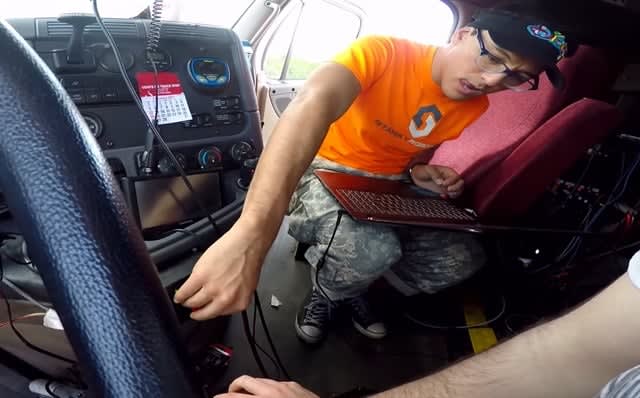
Screenshot via Starksy Robotics YouTube Video
Startup companies Starsky Robotics and Drive.ai are the two latest additions to the burgeoning autonomous vehicle market.
Hot on the heels of last week’s introduction of the autonomous vehicle startup Embark, Starsky and Drive.ai each offer a slightly different take on self-driving technology.
Starsky is aiming to bring an autonomous truck to market as soon as possible, but it is also testing a method in which a driver would remotely control a vehicle once it is done driving on the highway. That would tie a single driver to several trucks, when needed. The company said that it has already used a truck with its autonomous technology to make a 140-mile delivery in the real world, according to a TechCrunch report.
Drive.ai is trying to reimagine autonomous technology by creating a system that is able to learn from its surroundings and adapt to different situations, the company detailed in a blog post. While its technology makes use of cameras and sensors, Drive.ai said that the best way to create a safe self-driving vehicle is to use software that can learn experience in the same way that voice assistants from Google and Apple learn from listening to humans.
Refelcting how the field of players in autonomous vehicles technology is growing, these two companies have received millions of dollars in investments so far.
Starsky received $3.75 million in funding and Drive.ai received $12 million in a round of funding last year.
More Equipment

PlusAI Going Public to Fund Autonomous Truck Launch
A SPAC deal could provide PlusAI with up to $300 million as it works toward a 2027 commercial launch of factory-built autonomous trucks.
Read More →
NHTSA Moves to Rewrite Truck Fuel-Economy Rules
The National Highway Traffic Safety Administration says it lacks authority to regulate medium- and heavy-duty truck engines separately from complete vehicles, but the existing standards have not yet been eliminated.
Read More →
Detroit Opens Orders for EPA 2027 Engines
Detroit isn’t starting from scratch to meet EPA 2027 diesel emissions standards. Its Gen 6 DD13 and DD15 engines keep much of today’s platform while updating the fuel and aftertreatment systems.
Read More →
Carrier Transicold Adds All-Electric TRU for Stationary Cold Storage
Carrier Transicold’s new Vector 8200 all-electric transport refrigeration unit gives fleets a diesel-free option for temporary refrigerated and frozen trailer storage.
Read More →
A Closer Look at Kenworth’s Electric T880E Vocational Truck [Video]
Learn more about Kenworth's T880E battery-electric vocational truck at the Paccar Technical Center, including its range, applications, upfitting considerations, and PTO options, in this HDT Spotlight video.
Read More →
Kenworth T880E Brings EV Power to Vocational Trucks
A closer look at the Kenworth T880E’s range, charging, powertrain and upfit options — and where fleets are showing the most interest.
Read More →
What the U.S.-Canada Trade War Means for Trucking
Escalating U.S.-Canada tariffs could disrupt cross-border freight, reduce truck volumes, raise costs, and create new uncertainty for carriers on both sides of the border.
Read More →
Autonomous Truck Testing Moves Ahead in California as Teamsters Challenge Rules
California has begun permitting heavy-duty autonomous truck testing, with Aurora and Kodiak among the first to receive approval, as the Teamsters sue the DMV over the new regulations.
Read More →
Behind the Wheel of the New Mack Anthem [Video]
HDT takes the new Mack Anthem around Mack’s Pennsylvania test track to see how its driver-focused design, technology, visibility and handling perform from behind the wheel.
Read More →
DTNA Plans New U.S. Truck Plant as Manufacturing Footprint Shifts
Daimler Truck North America is evaluating sites for a new assembly plant expected to open in 2029 while winding down operations at its longtime Portland manufacturing facility.
Read More →