




Mitsubishi Fuso Bringing Electric eCanter to U.S.
Mitsubishi Fuso Truck of America has introduced the eCanter battery-powered Class 4 truck, offering the first 50 units to a select group of customers by the end of the year on a two-year lease.
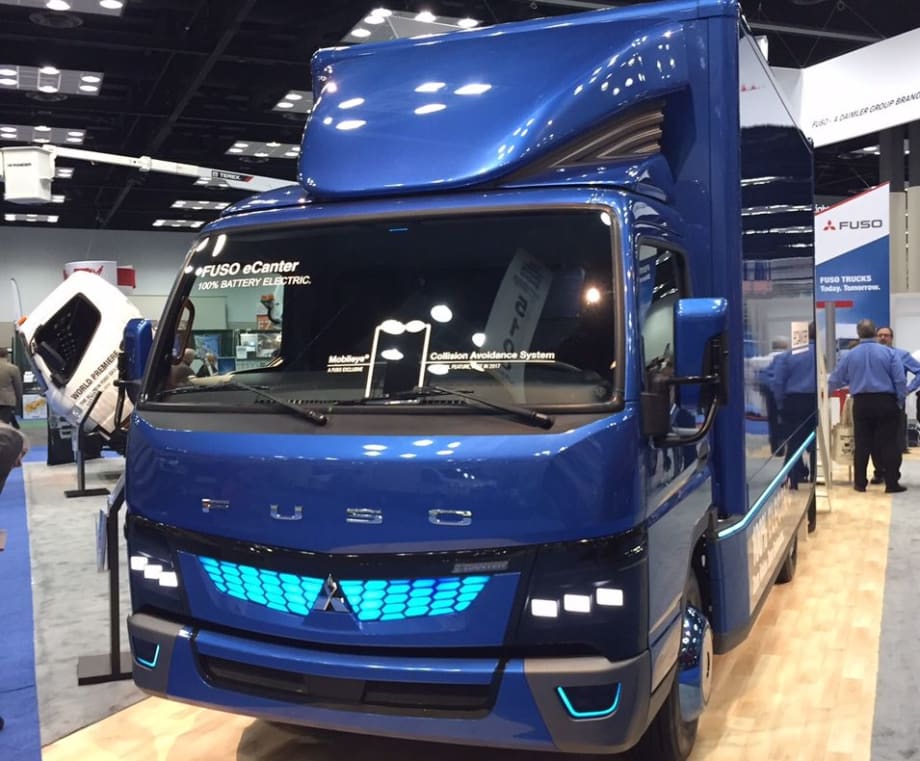
Photo by Chris Brown.
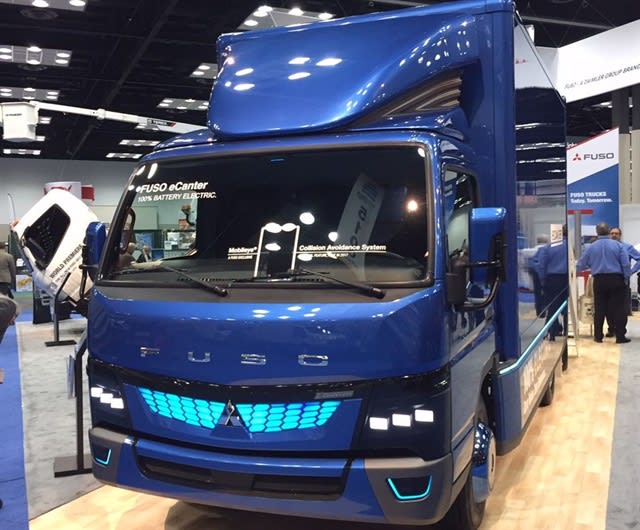
Photo by Chris Brown.
Mitsubishi Fuso Truck of America has introduced the eCanter battery-powered Class 4 truck, offering the first 50 units to a select group of customers by the end of the year, the company announced at the NTEA Work Truck Show in Indianapolis.
The electric trucks will be made available in the U.S., Europe, and Japan as part of a two-year lease, allowing companies time to use the vehicle before trading up to the next generation. The company says the trucks will cost 15-20% more than comparable diesel models.
The Class 4 truck has a 100-mile range, 15,995-pound Gross Vehicle Weight rating, and a 9,380-pound payload capacity. The batteries can be quick-charged within an hour at a DC charging station or over the course of eight hours using a 230-volt outlet. The vehicle will also have flexible battery options to allow customers that need less range than 100 miles to opt for fewer batteries and increase payload capacity.
“We believe the eCanter will help us chart the future of medium-duty trucking in urban environments," said Jecka Glasman, Fuso president and CEO. "It delivers up to a 100-mile range, with zero emissions and zero noise pollution — what we call positive energy. We’ve had preliminary conversations with multiple customers and they are enthusiastic about the possibilities this new truck represents.”
The electric motor generates 173 horsepower and 494 lb.-ft. of torque - more torque than the company’s V10 gasoline motor in its Class 6 truck, according to Mitsubishi Fuso. The motor is powered by six batteries, which the company says are preconditioned during charging to ensure the range stays consistent in cold and hot weather. The drivetrain is fitted to a standard 151.6-inch cab chassis that is 33.5 inches wide - similar to the company’s traditional diesel cabovers. This allows the vehicle to be fitted with the same body attachments as some current models - a plus for upfitters.
The vehicle features two-stage electric regenerative braking system, electric HVAC, and a high-capacity power take-off (PTO) for applications that need it.
The Fuso eCanter was originally shown off last year by Daimler Trucks Asia at the IAA Commercial Vehicle Show in Hannover, Germany, aimed at urban delivery in the Southern California and New York City markets.
"Better fuel economy is one aspect, but our customers are telling us how important it is to have a quiet truck in urban environments," said William Lyons, vice president of sales operations. "It is a big concern on [the] quality of life in cities today. This truck addresses that."
More Fuel Smarts

A Closer Look at Kenworth’s Electric T880E Vocational Truck
Learn more about Kenworth's T880E battery-electric vocational truck at the Paccar Technical Center, including its range, applications, upfitting considerations, and PTO options.
Read More →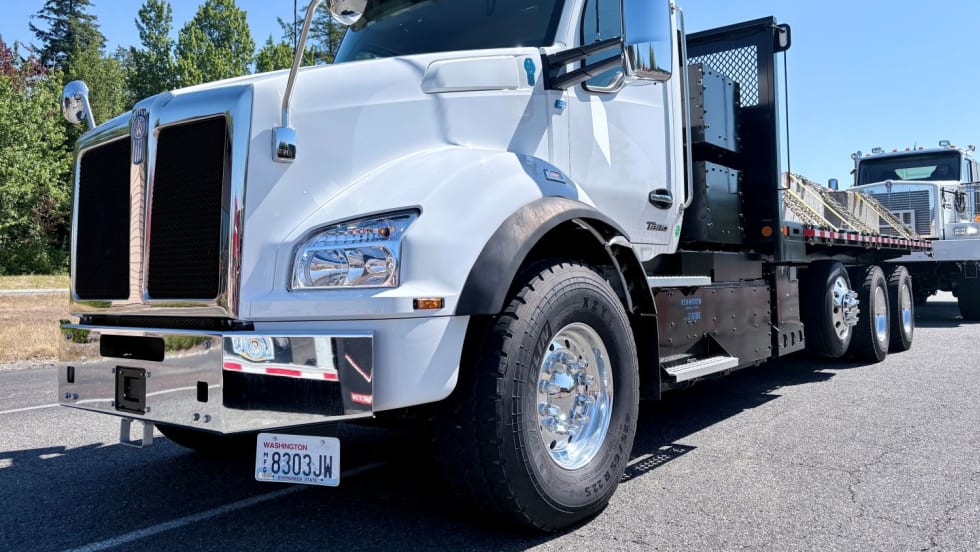
Kenworth T880E Brings EV Power to Vocational Trucks
A closer look at the Kenworth T880E’s range, charging, powertrain and upfit options — and where fleets are showing the most interest.
Read More →
Jennie Abarca Is Proving Electric Trucks Can Do the Job
HDT Truck Fleet Innovator Jennie Abarca is building confidence in fleet electrification one load at a time while openly sharing the challenges she encounters along the way as a small-fleet owner.
Read More →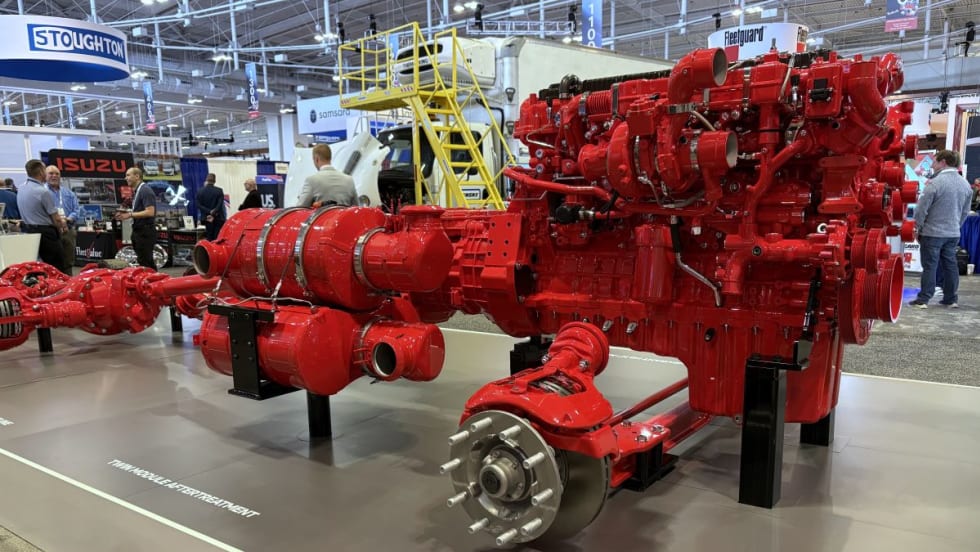
Cummins Adjusts 2027 Engine Rollout After EPA Proposal
The engine maker will gradually introduce its new Model Year 2027 diesel engines while continuing to offer current models during the transition, citing the EPA's proposed emissions rule changes.
Read More →
EPA Proposal Could Ease 2027 Truck Costs and Buying Uncertainty
The proposal doesn't change the tougher NOx standard, but it would revise key implementation requirements that manufacturers say have driven up costs and complicated fleet purchasing decisions.
Read More →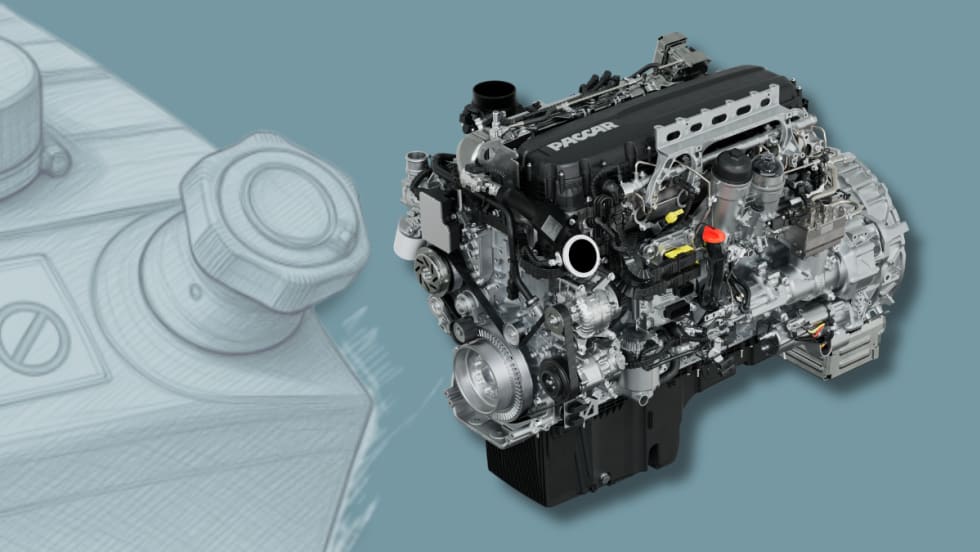
Cummins, Paccar Ease DEF Derates After EPA Guidance
Updated diesel engine software gives truck operators more time to address emissions-system issues while staying compliant with EPA emissions standards.
Read More →
Maintenance in the Messy Middle Part 3: Biodiesel
Biodiesel can reduce emissions, improve fuel-system lubricity and use existing diesel infrastructure. But NACFE’s Messy Middle maintenance report says fleets must actively manage storage, cold-weather operation, filters and oil drain intervals to avoid problems.
Read More →
Enhance Fleet Performance with High-Efficiency Auxiliary Power Units
Drive sustainable cost savings while increasing driver comfort during short- and long-haul logistics operations.
Read More →
Maintenance in the ‘Messy Middle’ Part 2: Renewable Diesel Fuel
NACFE's latest Messy Middle Powertrain Service & Maintenance report says renewable diesel gives fleets an opportunity to reduce carbon emissions without changing trucks, fueling infrastructure or maintenance practices. But technicians still need to understand several important operational differences.
Read More →
The Diesel Engine Enters NACFE’s ‘Messy Middle’
NACFE’s new Messy Middle Powertrain Service & Maintenance report says keeping modern diesel engines running now depends as much on software, diagnostics and data as traditional mechanical service.
Read More →