




Related: The Electrics Are Coming
Battery Design Offers Flexible, Safe Option for Commercial EVs
Korean technology company Kokam has introduced a new battery called Xpand that is designed to improve battery safety and performance for commercial electric vehicles.
by Staff
March 6, 2017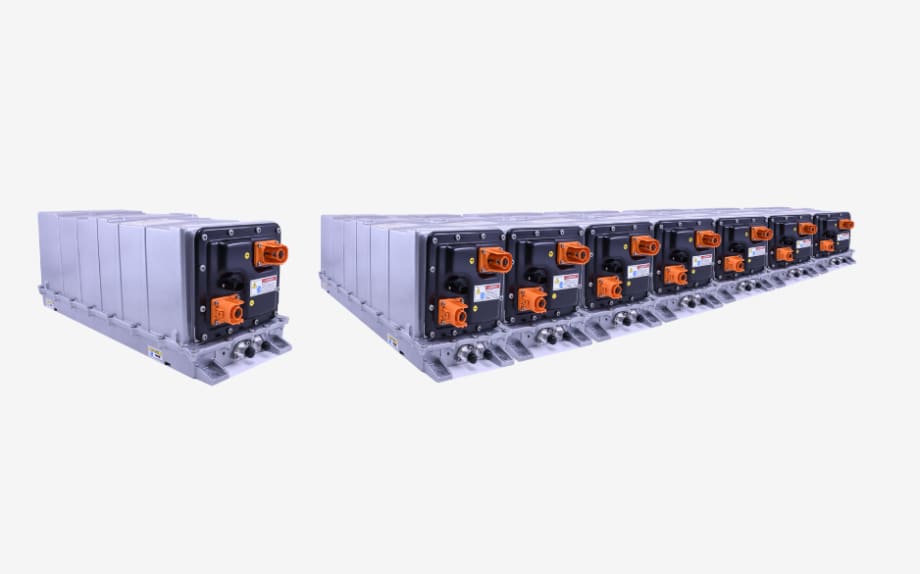
Photo via Kokam
2 min to read

Korean technology company Kokam has introduced a new battery called Xpand that is designed to improve battery safety and performance for commercial electric vehicles.
By using a liquid cooling system that cools battery cells directly, Xpand batteries have as much as 75% reduced mass compared to air-cooled systems. This allows the company to produce batteries with higher energy density in a more compact package.
The company said that its new batteries exceed current electric vehicle battery standards for safety, with a ceramic separator and other battery pack thermal containment to prevent thermal runaway. The batteries have received an IP67 rating for dust and water protection and also meet many other major standards, per Kokam.
The batteries are also designed for better longevity, with a lifespan of over 6,000 cycles, according to Kokam. They feature a modular plug-and-play design to help adapt to a variety of EV applications while also making them easier to service in the field.
The batteries also come with built-in monitoring capabilities featuring diagnostics, battery state information, and a flexible system architecture to provide more accurate charge and health estimates.
The Xpand battery pack will be offered in two versions: XMP71P, a 7.1-kilowatt hour version, and XMP114E, an 11.4-kilowatt hour version. Both versions are scalable enough to support EV applications from 7.1-kilowatt hours up to 1.5-megawatt hours of capacity in a wide variety of voltages.
"While cost and performance are important considerations for electric bus, tram, and other EV manufacturers when selecting a battery, safety is their number one priority," said Ike Hong, vice president of Kokam's Power Solutions Division. "With Xpand, Kokam now offers manufacturers an EV battery pack that has been tested and certified to be one of the safest EV battery solutions on the market - while still offering high levels of performance at a competitive price."
More Fuel Smarts

New York City's Microhub Project is Delivering Results
Trucking, last-mile delivery companies, and environmental advocates like what they are seeing so far with New York's microhub program.
Read More →
Lessons Learned About Alternative Fuels: Start Small, Stay Flexible
Practical advice on adopting alternative fuels and ZEVs from HDT's 2026 Top Green Fleets, from renewable diesel and natural gas to electric trucks.
Read More →
Kempower Adds Flex EV Charger to Help Support Transition to Megawatt Charging
The Kempower Mega Satellite Flex has both a CCS and MCS connector, allowing operators to serve both types of heavy-duty vehicles.
Read More →
Hino Adds Electric Class 6/7 Truck
Hino says the Le Series is an important step in the company's efforts to reduce environmental impact and support its customers’ sustainability goals.
Read More →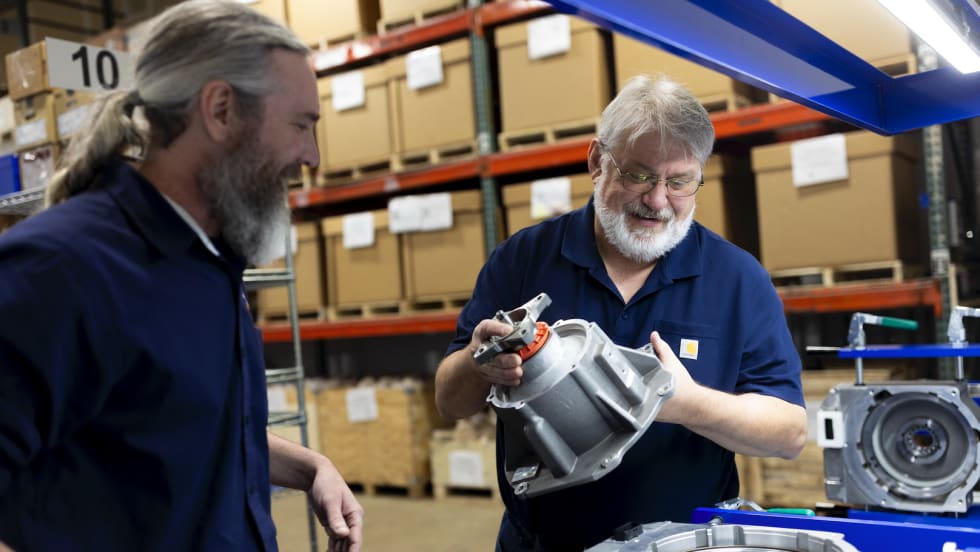
Can Multi-Speed EV Transmissions Solve Heavy Trucking’s Biggest Electric-Vehicle Problems?
A startup called Sigma Powertrain believes purpose-built multi-speed gearboxes can boost efficiency, reduce battery size and improve gradeability for heavy-duty battery-electric trucks.
Read More →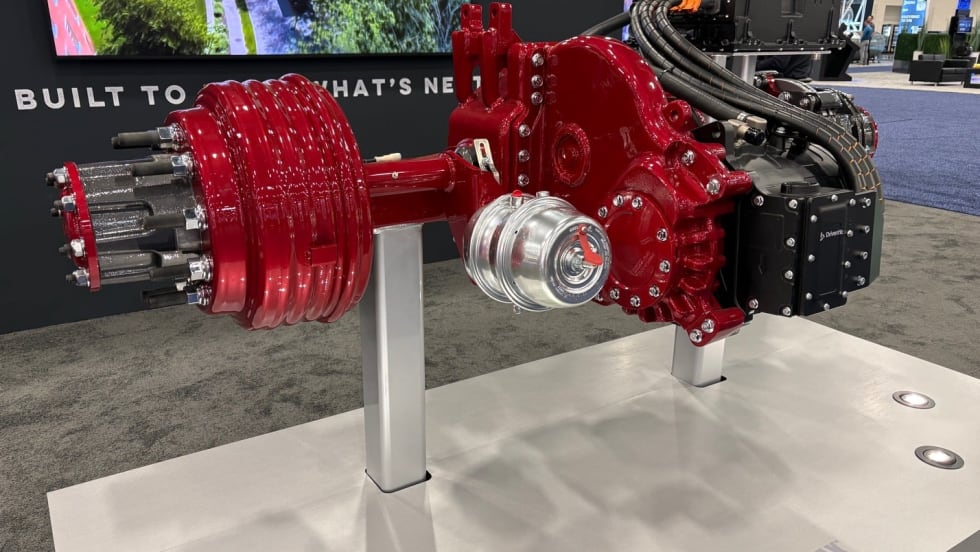
Hendrickson Debuts Electraax E-Axle for Medium-Duty Trucks
Developed with Driventic, Hendrickson's new integrated e-axle is designed to improve efficiency, reduce weight, and extend range in Class 6-7 EV applications.
Read More →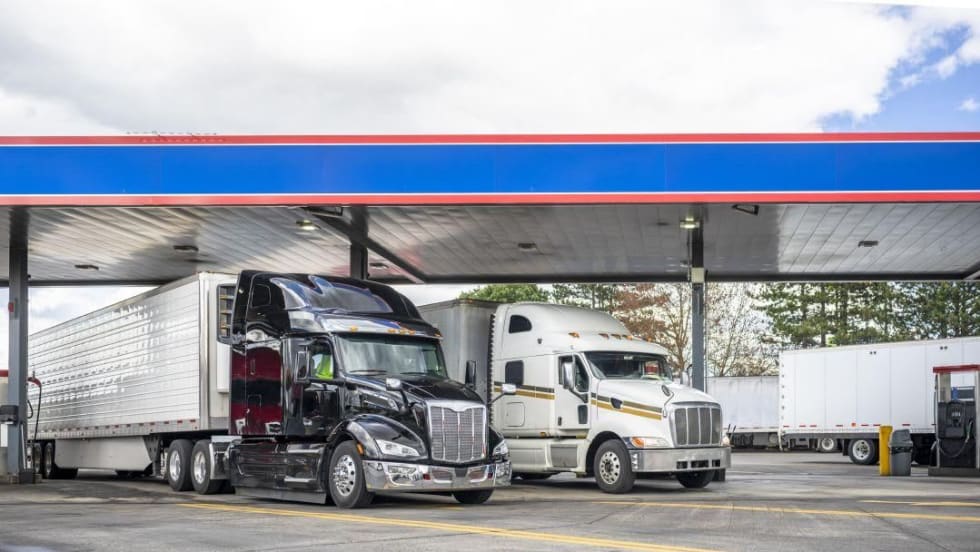
50 Ways Fleets Can Cut Fuel Costs Now — Without Buying New Trucks
Fuel savings don’t come from one big change. They come from dozens of small ones. Here’s how leading fleets are stacking gains across drivers, routing, maintenance, and more.
Read More →
Top Green Fleets 2026: How Fleets Are Reducing Emissions in the Real World
What works in sustainable trucking today? Heavy Duty Trucking's Top Green Fleets are finding practical ways to cut fuel use, reduce emissions, and keep freight moving.
Read More →
California Launching $1 Billion Electric Truck Rebate Program
CARB says the California Clean Fuel Reward program will begin offering point-of-sale rebates of up to $120,000 for electric commercial trucks starting June 26.
Read More →
Mack Unveils EPA 2027-Compliant MP13 Engine With More Power, Better Fuel Economy
Along with unveiling its EPA 2027-compliant MP13 engine, Mack outlined powertrain changes across its Class 6-8 lineup, including new Cummins-based X10 engines.
Read More →