




Related: UPS Goes Green With Workhorse
Workhorse Touts Efficiency of Electric Delivery Trucks
Workhorse Group has announced that its medium-duty electric trucks are up to six times more efficient than comparable gasoline- or diesel-powered models.
by Staff
February 14, 2017
Photo: Workhorse
2 min to read

Photo: Workhorse
Workhorse Group has announced that its medium-duty electric trucks are up to six times more efficient than comparable gasoline- or diesel-powered models.
Using metrics from the company's Metron telematics system to track the first 250,000 miles driven by the vehicles, Workhorse calculated that its electric delivery truck models are achieving more than 30 miles per gallon equivalent during normal use.
Mile-per-gallon equivalent is a measure of energy consumption and not fuel costs. It is calculated using the equivalent energy in a gallon of gasoline or diesel fuel converted into kilowatt-hours and comparing that to an electric motor producing the same amount of energy.
The U.S. Environmental Protection Agency has established the standards for "MPGe" by pegging the energy content of a gallon of gasoline at around 34 kilowatt-hours. For diesel fuel, the energy content of a gallon is closer to 38 kilowatt-hours.
For Workhorse’s comparison, the company said that a comparable delivery truck typically achieves 5-8 miles per gallon, or 5-8 miles per 34 kilowatt-hours of energy while its electric delivery vehicles can travel more than 30 miles on that same amount of energy.
"By achieving 30 MPGe with over 125 medium-duty trucks on the road, Workhorse is setting a new standard with our electric delivery vehicles," said Steve Burns, Workhorse CEO. "Medium-duty local delivery trucks are the backbone of the last-mile delivery system and a sixfold fuel economy increase as well as reduced maintenance and zero or near zero emissions are a major change to the conventional delivery system."
It is important to note that while MPGe is a good metric for determining vehicle efficiency, it does not translate directly to vehicle costs because a gallon of gasoline does not necessarily cost the same as 34 kilowatt-hours of electrical charge.
Workhorse’s Metron telematics system allows fleet managers to monitor and manage the performance of fleet vehicles through a wireless cellular network connection. It logs signals from vehicle components and uploads them with GPS data to the cloud to be viewed online. The system monitors metrics like MPGe as well as battery cell voltage, state-of-charge, total miles and total efficiency.
"Fleets today are watching the efficiency of their vehicles very closely," said Burns. "Metron telematics allows fleet managers to monitor and manage all Workhorse electric vehicles in their fleet, with near real-time insight giving these managers important performance information about each vehicle."
More Fuel Smarts
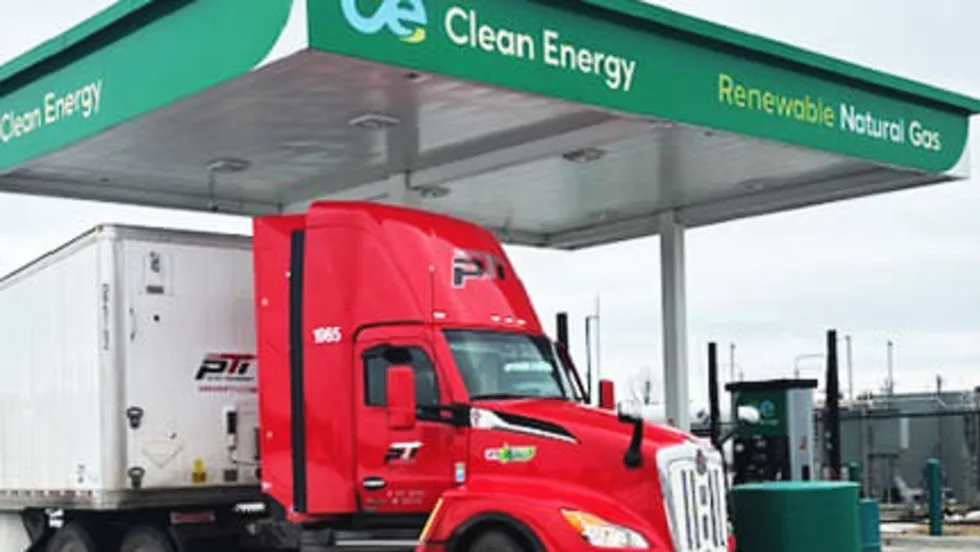
Paper Transport Puts RNG to Work for Shipper
Eight renewable natural gas trucks are hauling freight for Graphic Packaging, part of Paper Transport’s growing mix of alternative-fuel transportation options that also includes a Tesla Semi pilot.
Read More →
Fleet Costs Shape ACT Expo 2027 Agenda
With diesel prices high and operating expenses under pressure, ACT Expo's 2027 agenda emphasizes fuel efficiency, AI, safety and the return on fleet technology investments.
Read More →
How GP Transco Builds Fuel Savings a Fraction at a Time
Aerodynamic specs, solar panels, and driver incentives help GP Transco turn small efficiency gains into savings it can reinvest in its people.
Read More →
Trucking’s Diesel Squeeze Isn’t Letting Up
With diesel topping $6 a gallon nationally, ATA's Bob Costello explains why fleets should prepare for continued pressure at the pump.
Read More →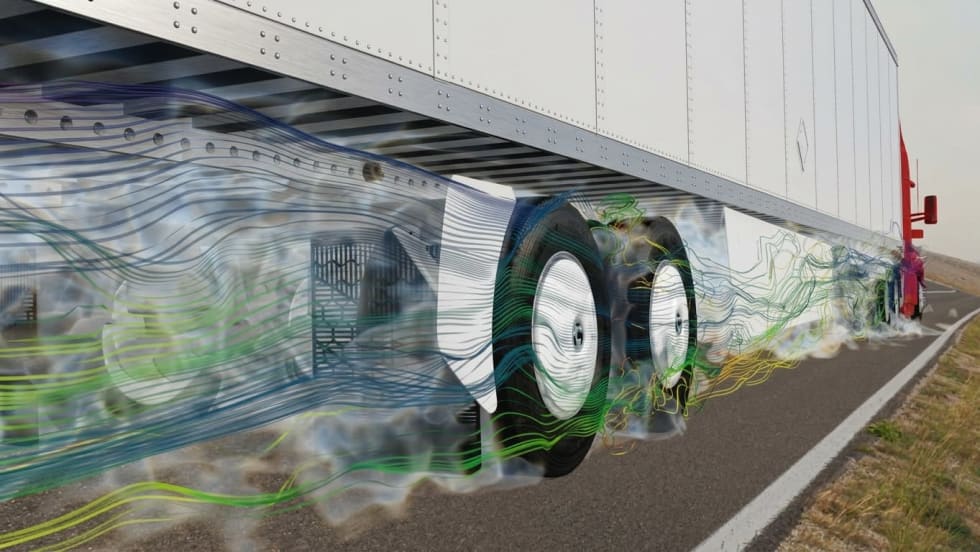
FlowBelow Redesigns Trailer AeroSlider to Cut Fuel Use
The lighter trailer aerodynamic system installs in less than 45 minutes, according to the company, with potential payback in under a year depending on fuel prices and trailer mileage.
Read More →
Why Diesel Price Relief Efforts May Fall Short
Diesel prices have eased from September’s record high, but doubts about additional Russian supply and limits on dyed-diesel tax relief mean trucking fleets still face expensive fuel. And prices could go higher.
Read More →
Why Small Fuel Savings Matter in Trucking [Podcast]
Can better fuel economy help pay for driver raises? In this episode of the HDT Talks Trucking podcast, GP Transco explains how small efficiency gains create room to reinvest in its people.
Read More →
How GP Transco Cuts Trucking Fuel Costs, a Tenth of a Gallon at a Time
What’s another tenth of a mile per gallon worth? GP Transco shares how equipment upgrades and driver coaching turn small gains into meaningful fuel savings.
Read More →
Electric Yard Tractors Move Beyond Pilots
Operating-cost savings have overtaken sustainability goals as the leading reason surveyed fleets are adopting battery-electric terminal tractors, according to new NACFE research.
Read More →
Geotab Links Fleet Card to Vehicle Data
The new card combines fuel discounts with telematics-based purchase controls. Geotab’s analysis also points to potential savings from choosing lower-priced fuel stops.
Read More →