




Diesel, Oil Prices Expected to Jump Around 17% Next Year
Final government forecasts for diesel, gasoline and oil prices before 2017 gets underway are in with two of the three calling for double-digit percentage hikes compared to this year.


Final government forecasts for diesel, gasoline and oil prices before 2017 gets underway are in with two of the three calling for double-digit percentage hikes compared to this year.
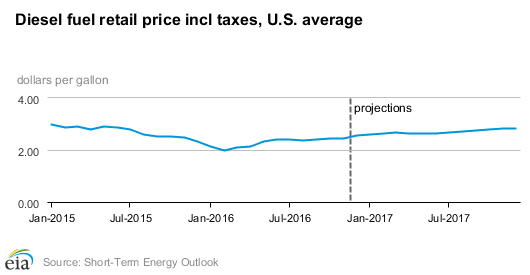
The U.S. Energy Department’s Short-Term Energy Outlook projects trucking’s main fuel will average $2.70 per gallon next year, which would be a 16.6% increase over 2016’s projected average price of $2.31 per gallon.
If this happens, diesel will average nearly as much as it did in 2015, but will still be significantly less than the 2014 average of $3.83 per gallon.
Much of the reason for the expected price increase is that oil prices are forecast to move higher. Benchmark West Texas Intermediate crude is expected to jump 17.6% next year over 2016’s expected final average, from $43.07 per barrel to $50.66 per barrel. Despite the hike, this is only $2 more than the 2015 average but is much less than the average of $93.17 per barrel in 2014. Brent crude prices are expected to follow much of the same pattern.
Contributing to this, according to the report, is U.S. crude oil production that averaged 9.4 million barrels per day in 2015, and is forecast to average 8.9 million in 2016 and 8.8 million in 2017. Also global oil inventories are expected to build next year at a rate that is expected to be just more than half of this year.
The report noted that at the late November meeting of the Organization of the Petroleum Exporting Countries (OPEC), members announced a framework for supply reductions among most of its members while several non-members also announced plans to freeze or reduce oil production.
“The extent to which the announced plans will be carried out and actually reduce supply below levels that would have occurred in their absence remains uncertain,” the report said. “If the agreement contributes to prices rising above $50 per barrel in the coming months, it could encourage a return to supply growth in U.S…. oil more quickly than currently expected.”
According to the department, crude oil prices near $50 per barrel have led to increased investment by some U.S. production companies and a price above could contribute to supply growth in other U.S. tight oil regions and in other non-OPEC producing countries that do not participate in the OPEC-led supply reductions. Some analysts feel this could help keep oil prices returning from high levels seen as recently as 2014, before prices suddenly collapsed to below their current levels.
Meantime, expectations are that gasoline prices will also rise in 2017, though by a smaller margin than diesel and crude oil. The department is forecasting the average retail price of regular-grade gasoline to increase 7.3% in 2017 compared to 2016’s expected average. This would put it at $2.30 per gallon, compared to an expected 2016 average of $2.14 but still below the averages of $2.43 and $3.36 per gallon in 2015 and 2014, respectively.
More Fleet Management

Think Your Trucking Fleet Isn't Using Much AI? Think Again
Shadow AI — the use of unauthorized artificial intelligence tools at work — is becoming increasingly common, putting sensitive company data at risk. Learn how trucking fleets can protect sensitive data while embracing AI.
Read More →
ArcBest Consolidates Brands, Cuts Workforce
The company will bring three business units under the ArcBest brand, eliminate about 2% of positions, and expects the changes to generate $40 million in annual savings.
Read More →
Trucking Fleets Faced Record Operating Costs During Third Year of Freight Recession
ATRI's annual operational cost report shows carriers trimmed fleets, delayed equipment purchases, and ran older trucks as expenses continued to outpace freight rates.
Read More →
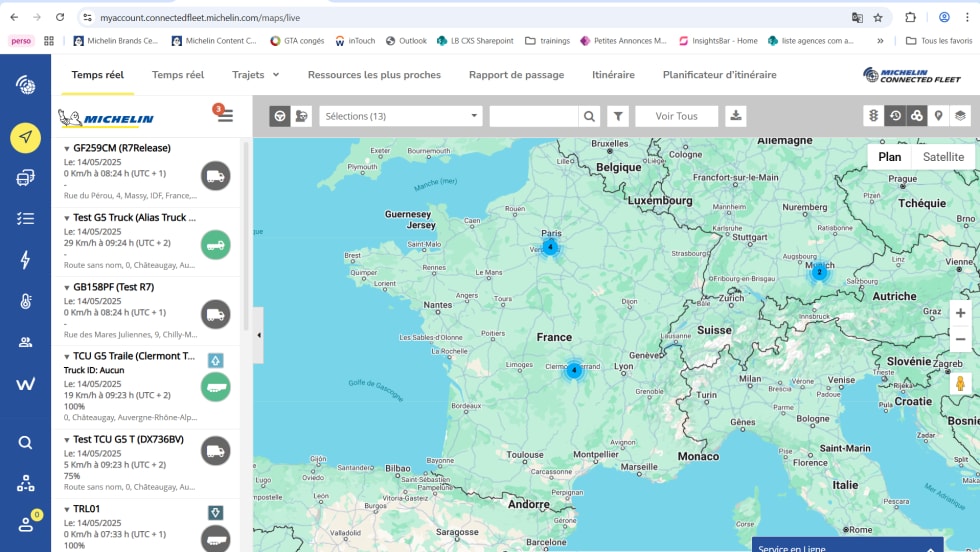
Michelin Adds AI Assistant to MyConnectedFleet Platform
Michelin’s new generative AI tool delivers instant fleet insights, helping managers analyze fuel use, tire maintenance, vehicle status, and operational performance without manually creating reports.
Read More →
LytxOne Platform Now Features AI, Compliance, and Asset Tracking Tools
New enhancements add AI-powered insights, asset tracking, compliance automation, and configurable privacy controls to Lytx's all-in-one fleet management platform.
Read More →
July Imports Poised to Set Container Record
The National Retail Federation projects July container imports will surpass the pandemic-era record as shippers frontload freight ahead of expected August tariff increases.
Read More →
HDT Announces 2026 Truck Fleet Innovator Finalists
From AI and fleet electrification to safety, operations, and leadership, these HDT Truck Fleet Innovator finalists are changing how trucking gets done.
Read More →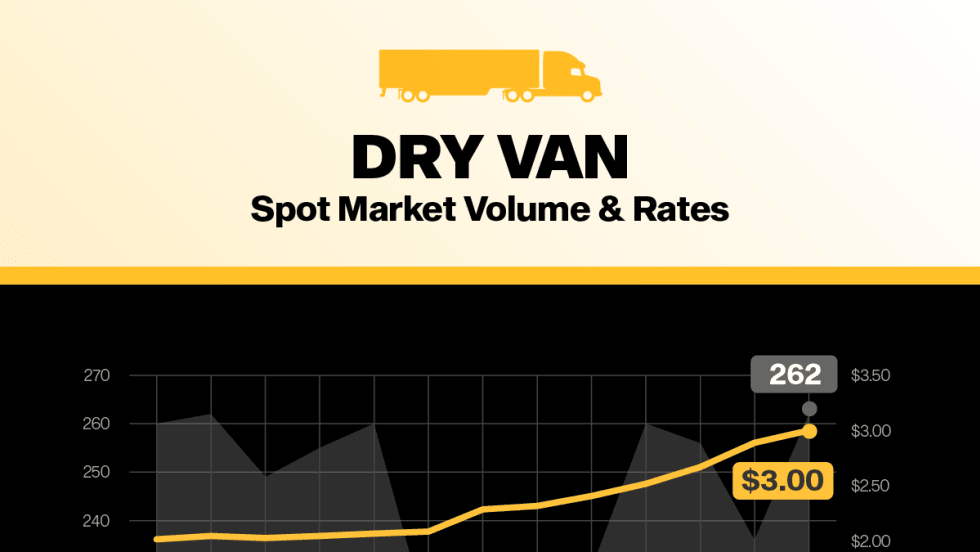
Van Spot Rates Top Contract Rates for First Time Since 2022
There’s more good economic news for the North American trucking industry according to the latest Truckload Volume Index report from DAT.
Read More →
Carrier Transicold Extends Refrigerated Trailer Life
Fleet Refresh enables refrigerated fleets to replace aging transport refrigeration units instead of entire trailers, while adding Lynx Fleet telematics and BluEdge service coverage.
Read More →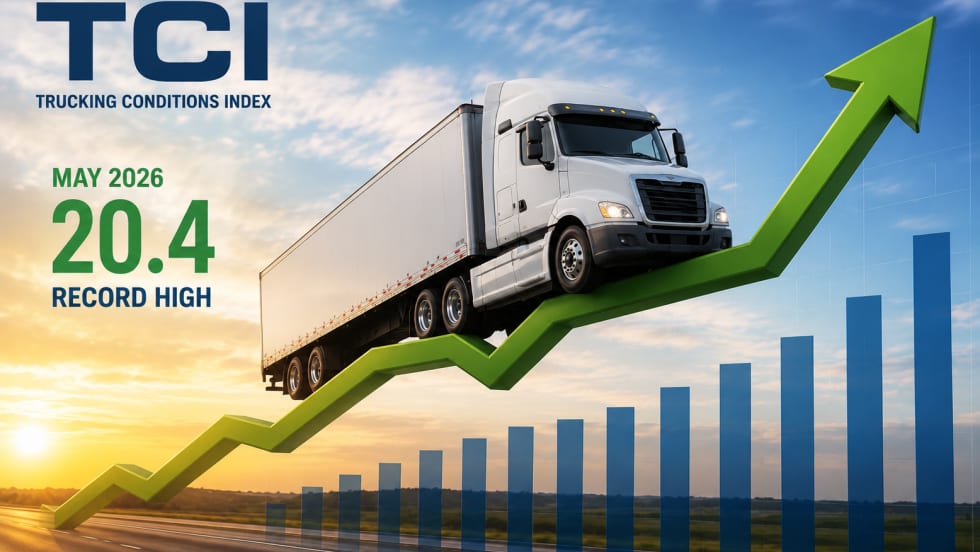
FTR Says Freight Rates Surged in May
FTR's Trucking Conditions Index surged to a record high in May, the analytics firm reports.
Read More →