




FTR: Trump Impact Minimal in Short Term
Economists with freight transportation forecasting firm FTR are convinced that the election of Donald Trump will not much move any economic needles much for at least six months. Not because the 45th President of the United States won’t accomplish anything right away, but because the wheels of government don’t spin any faster for a new Administration.

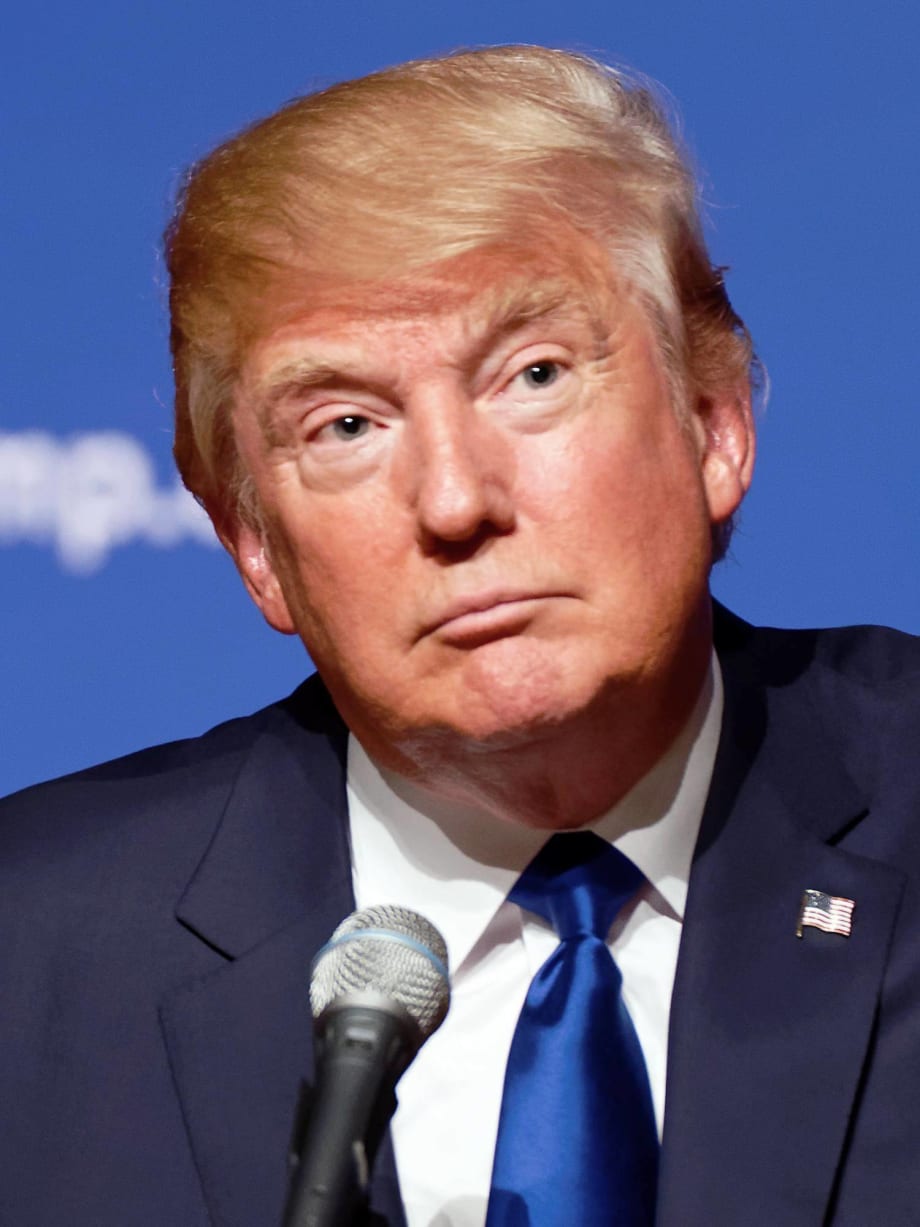
President-elect Donald Trump Photo via Wikimedia Commons
.jpg)
President-elect Donald Trump Photo via Wikimedia Commons
Economists with freight transportation forecasting firm FTR are convinced that the election of Donald Trump will not much move any economic needles much for at least six months. Not because the 45th President of the United States won’t accomplish anything right away, but because the wheels of government don’t spin any faster for a new Administration.
“There will be little near-term change in FTR’s outlook for the U.S. economy, as budgets are set and policies are intact until late 2017,” pointed out Noël Perry, transportation economist at FTR, in a post-election commentary piece. “There is the possibility of additional caution by consumers and businesses until the new administration sets policies.” He noted as well that any policy change typically takes a year or longer to fully implement.
FTR sees President-elect Trump focusing first on pushing through a significant tax cut, repealing and replacing the Affordable Care Act and filling the Supreme Court vacancy. “Each of those issues are big enough to occupy the majority of legislative time.” Trump no doubt will also assess the trade agreements he faulted so heavily during his campaign. But given that a trade with any of our major partners would not benefit them or the American consumer, such talk augurs for “more smoke and mirrors than substance.”
Trump’s impact will likely be felt more substantially and sooner on regulations and enforcement. According to FTR Partner and Senior Consultant Larry Gross, look first for the loosening of environmental controls on coal and oil exploration and piping.
“The coal situation won’t change much due to economic pressure from natural gas, but, for instance, pipelines stalled in the Plains region could get a boost of activity soon," said Gross. "Second will be a reversal of the stiffening of National Labor Relations Board action of many types. The President-elect has plenty of experience with unions and we can assume he will be assertive there. This means less pressure on overtime pay and reclassification of truck drivers. Also, a significant federal minimum wage change is now unlikely, although several states had ballot measures related to higher minimum wages that were successful on Tuesday.”
Gross also pointed out that if implementation of the electronic logging device mandate “gets sticky because of the FMCSA’s slowness in publishing complete technical standards” the new Administration is more likely to postpone the December 2017 deadline. “That said, trucking regulation will not be a priority. Still, the coming wave may be reduced and occur later.”
During a Nov. 10 webinar held to provide a post-mortem on the election, FTR economist Bill Witte remarked that Trump’s policies may not sail through Congress. He said that on the one hand, the political situation now “raises the possibility of positive developments for the country,” especially an infrastructure deal being struck between legislators and the new President. “Both sides have talked about this during the campaign, so it is politically feasible.” Witte said that tax reform will also be possible, but noted that the “progressive side of the Senate has been strengthened and this won’t go over well with them.”
On the other hand, Witte said the downside political risk rests on how well Trump will work with GOP leaders on Capitol Hill. “Political deadlock could continue,” he said. “It could occur between Trump and the Republican Party [in Congress] with House Republicans fracturing or there could be a breakdown of relations between Republicans and Democrats in the Senate.”
More Fleet Management
Can You Beat Our Trucking Trivia Challenge?
Test your truck knowledge with 19 trivia questions from Heavy Duty Trucking Exchange. Can you keep up with the fleet pros?
Read More →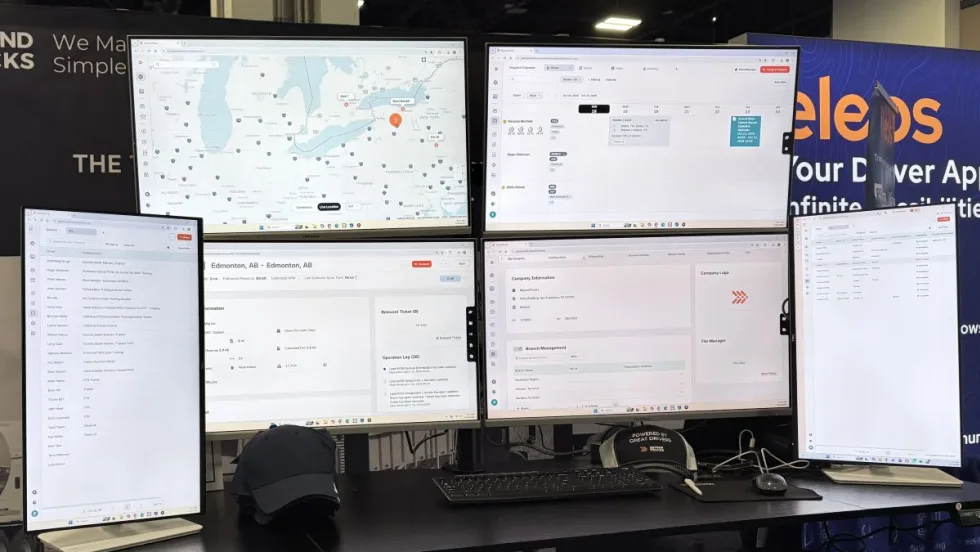
BeyondTrucks Adds Rules Checks to Dispatch
New Compatibility Engine checks driver qualifications, equipment requirements and fleet policies before loads are dispatched.
Read More →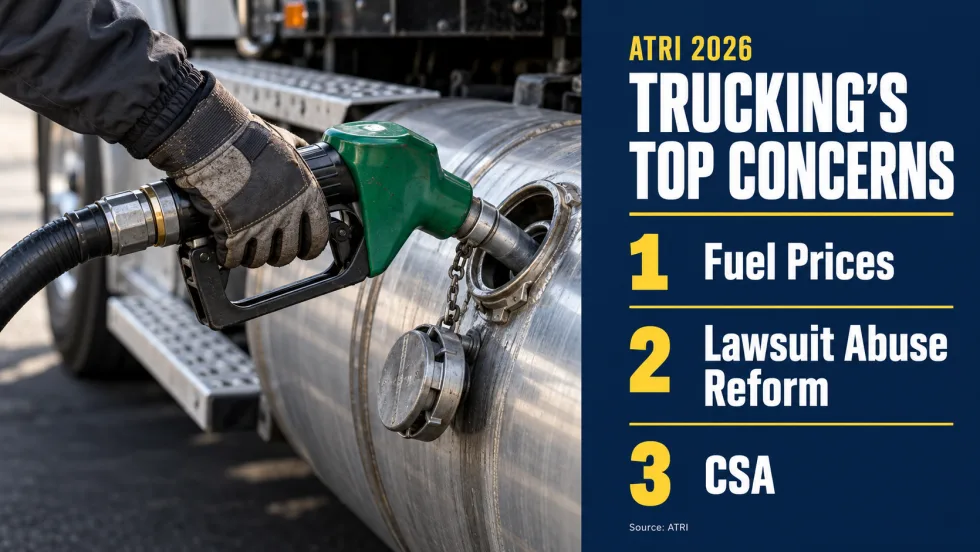
Diesel Prices Hijack Trucking’s Worry List
ATRI’s annual survey finds cautious optimism about freight, but diesel costs, litigation, and insurance continue to squeeze fleets. Drivers have different priorities on several issues.
Read More →
Nomination Deadline Extended for HDT Emerging Leaders
Just a few more days to nominate accomplished trucking fleet professionals under 40 who are making an impact and helping lead the industry forward for the HDT Emerging Leaders award. Deadline extended to October 20!
Read More →
What Will ATA’s New Leader Bring to Trucking's Table?
Incoming President and CEO Mark Colson’s record in Alabama offers clues about his priorities and approach following Chris Spear’s abrupt departure as the head of the American Trucking Associations.
Read More →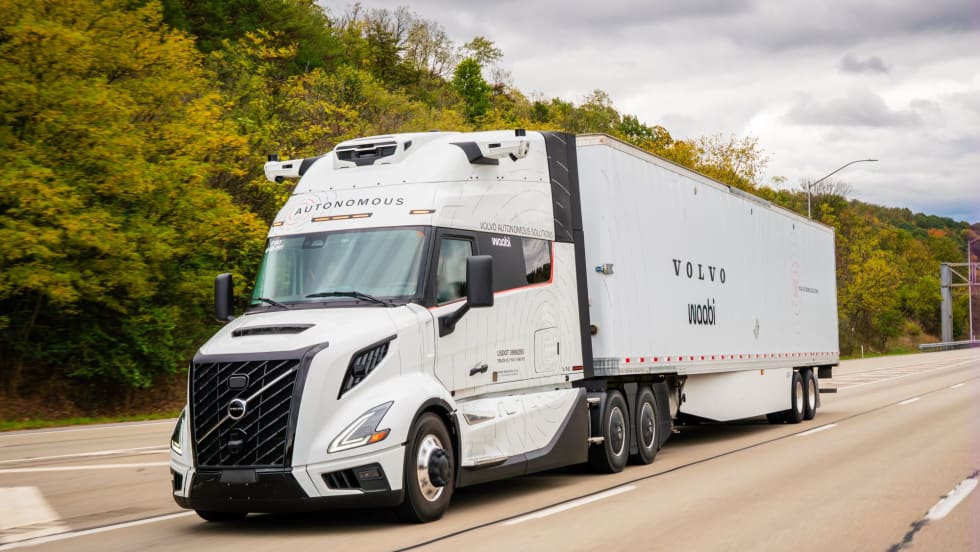
Volvo, Waabi Start Commercial Autonomous Operations in Texas
Volvo VNL Autonomous trucks, powered by the Waabi Driver, are hauling freight directly to third-party facilities for a customer in Texas.
Read More →
Samsara Launches Custom AI Agent Builder
Agent Studio lets fleets create AI tools for hours-of-service monitoring, reporting and driver support, including agents that communicate by phone.
Read More →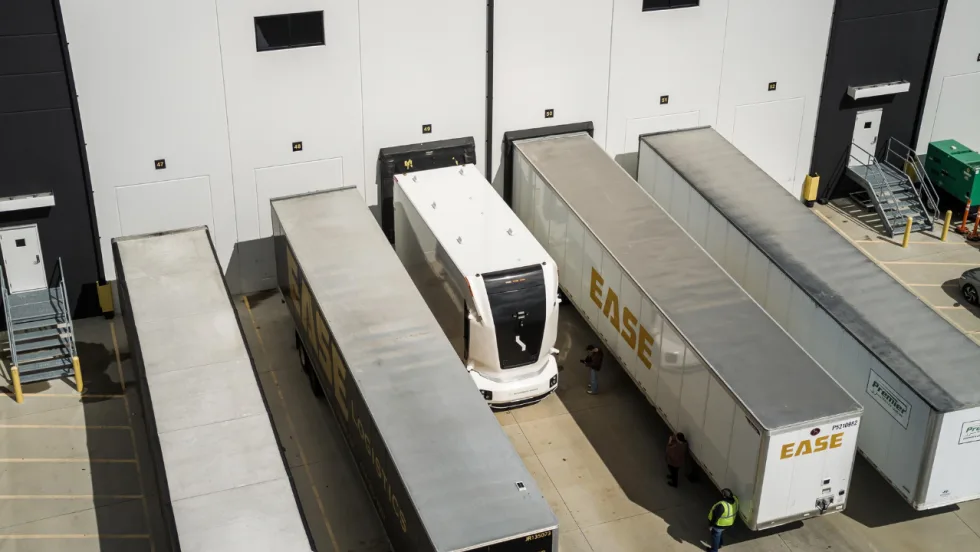
Einride Driverless Electric Trucks Begin Daily Freight Operations in Ohio
Two cabless electric trucks are hauling freight between EASE Logistics facilities in Marysville, Ohio, as part of a multi-state truck automation project.
Read More →
Geotab Links Fleet Card to Vehicle Data
The new card combines fuel discounts with telematics-based purchase controls. Geotab’s analysis also points to potential savings from choosing lower-priced fuel stops.
Read More →
How MFA Helps Protect Trucking Fleets
Multi-factor authentication adds protection when passwords are stolen. Here’s how it works and where fleets should start.
Read More →