




Volvo Group Delivers Sustainability Recommendations to UN
Volvo Group CEO Martin Lundstedt has submitted a report to United Nations Secretary General Ban Ki-Moon with ten recommendations on how sustainable transport can advance sustainable development.
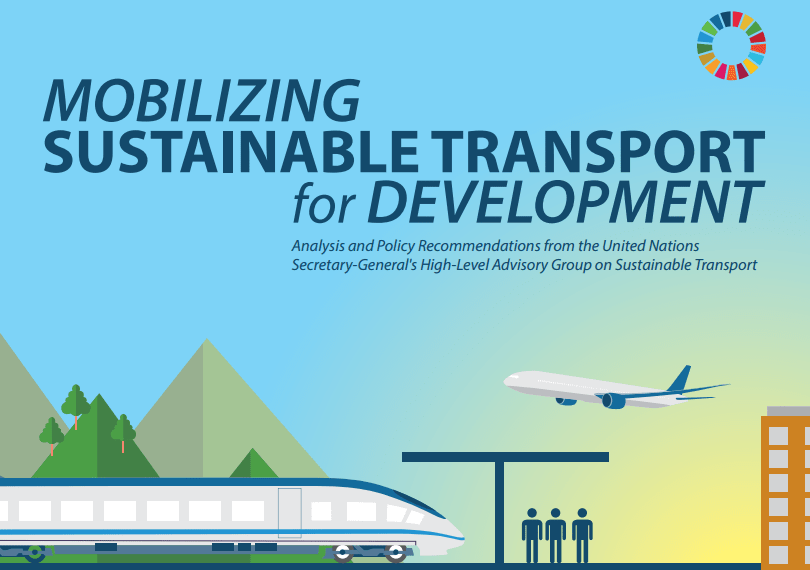
Image: High-Level Advisory Group on Sustainable Transport
Image: High-Level Advisory Group on Sustainable Transport
Volvo Group CEO Martin Lundstedt, in his role as co-chair of the High-Level Advisory Group on Sustainable Transport, has submitted a report to United Nations Secretary General Ban Ki-Moon containing ten recommendations on how sustainable transport can advance sustainable development.
The report calls for increased international development funding, supportive legislation, and incentives to promote new technologies. It also highlights Volvo Group’s full-electric bus route in Gothenburg, Sweden, called ElectriCity as an example of innovative collaboration in the field of clean public transport.
“Sustainable transport is a driver of sustainable development and a precondition for economic growth, eradicating poverty and combating climate change,” said Lundstedt. “The shift towards sustainable transport represents great opportunities for our industry. The Volvo Group will embrace these opportunities by developing new technologies and new business models and by working closely together with our customers and the entire value chain.”
The report concludes that technology will drive progress and that all types of transport should be made as efficient as possible in the areas where they are most effective. The report indicates that the goals can be achieved with annual global investments of around $2 trillion.
Investments in sustainable transport could lead to fuel savings and lower operational costs as well as less congestion and air pollution. The report estimates that efforts to promote sustainable transport can deliver savings of up to $70 trillion globally by 2050.
Focusing on issues like road safety, traffic congestion and climate impacts, the report makes recommendations to include the establishment of monitoring and evaluation frameworks, promotion of sustainable transport technologies and an increase of international development funding.
It also calls for more engagement to ensure that all members of society have better access to jobs, markets, education and health care through sustainable transport.
“Sustainable transport supports inclusive growth, job creation, poverty reduction, access to markets, the empowerment of women, and the well-being of persons with disabilities and other vulnerable groups,” said Secretary General Ban.
The transport sector is responsible for about 23% of energy-related greenhouse gas emissions and 3.5 million premature deaths result from air pollution every year, mostly in low- and middle-income countries, according to the UN. A lack of modern facilities, vehicles, access to refrigeration and poor roads also contribute to a 10-15% loss of food during processing.
The UN estimates that over 1.2 million people are killed annually in road traffic accidents, adding to human loss and suffering as well as billions of dollars in associated costs.
Lundstedt co-chairs the UN’s High-Level Advisory Group on Sustainable Transport with Carolina Toha, Mayor of Santiago, Chile. The advisory group includes global leaders from public and private sectors and represents all modes of transport.
“Transport can build prosperity in the broadest sense, enhancing the quality of life for all while protecting the environment and fighting climate change,” said Lundstedt. “We need bold innovation and a true partnership among governments, civil society and the private sector.”
More Fuel Smarts
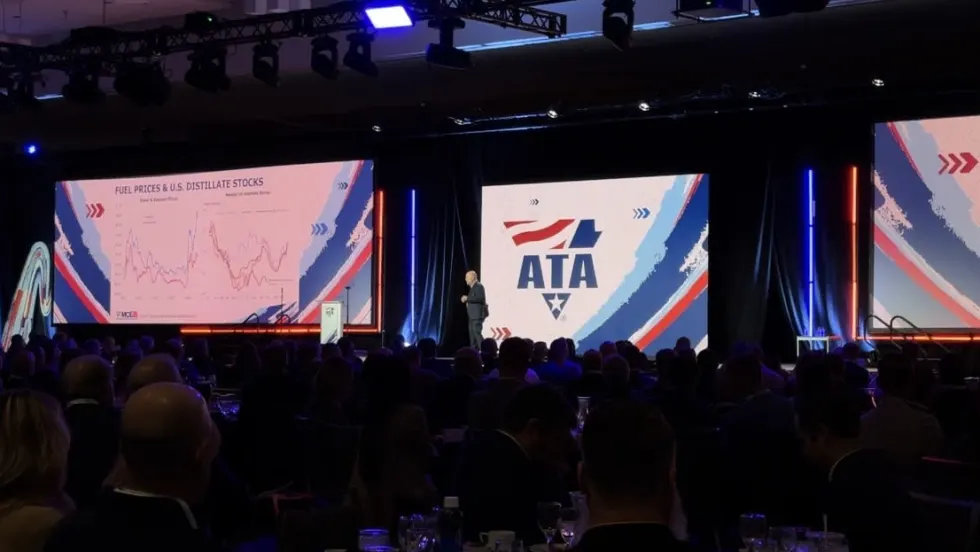
Trucking’s Diesel Squeeze Isn’t Letting Up
With diesel topping $6 a gallon nationally, ATA's Bob Costello explains why fleets should prepare for continued pressure at the pump.
Read More →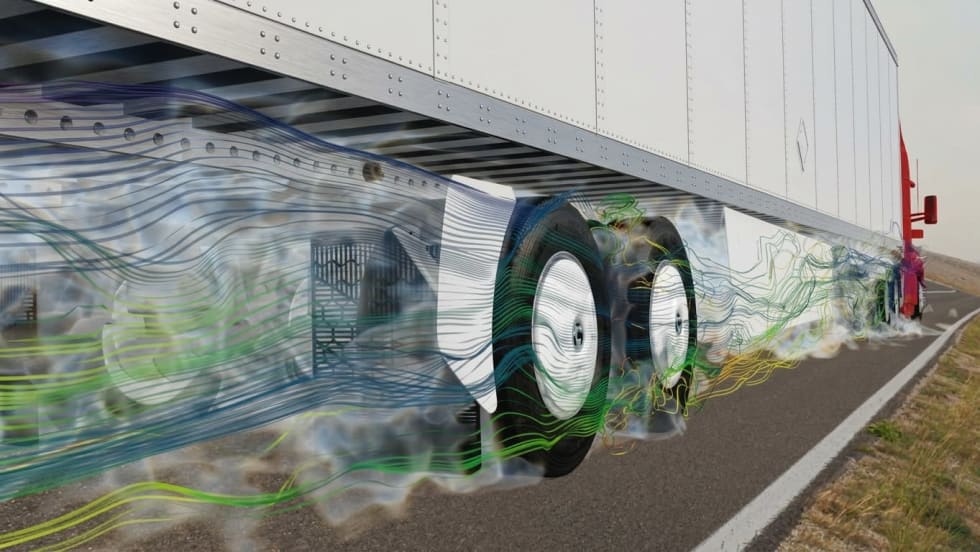
FlowBelow Redesigns Trailer AeroSlider to Cut Fuel Use
The lighter trailer aerodynamic system installs in less than 45 minutes, according to the company, with potential payback in under a year depending on fuel prices and trailer mileage.
Read More →
Why Diesel Price Relief Efforts May Fall Short
Diesel prices have eased from September’s record high, but doubts about additional Russian supply and limits on dyed-diesel tax relief mean trucking fleets still face expensive fuel. And prices could go higher.
Read More →
Why Small Fuel Savings Matter in Trucking
Can better fuel economy help pay for driver raises? In this podcast, GP Transco explains how small efficiency gains create room to reinvest in its people.
Read More →
How GP Transco Cuts Trucking Fuel Costs, a Tenth of a Gallon at a Time
What’s another tenth of a mile per gallon worth? GP Transco shares how equipment upgrades and driver coaching turn small gains into meaningful fuel savings.
Read More →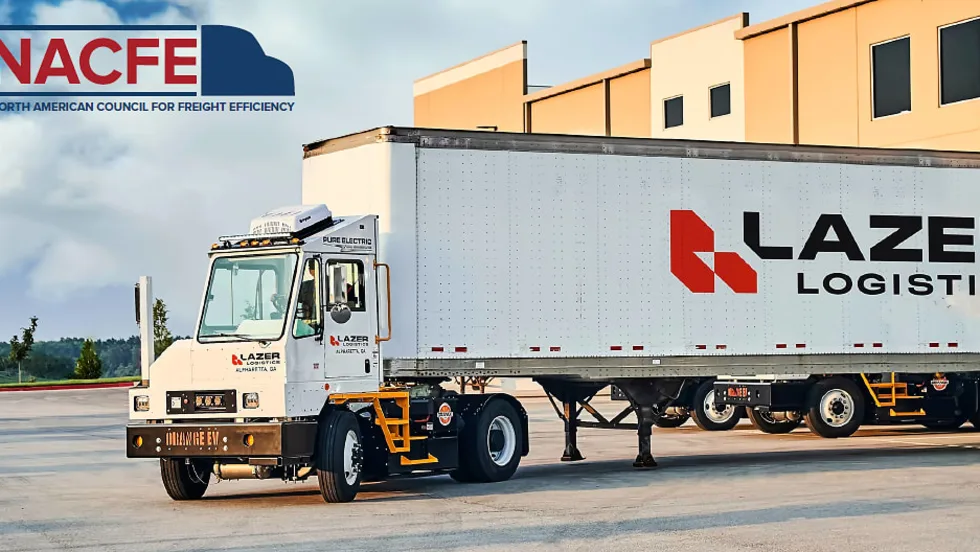
Electric Yard Tractors Move Beyond Pilots
Operating-cost savings have overtaken sustainability goals as the leading reason surveyed fleets are adopting battery-electric terminal tractors, according to new NACFE research.
Read More →
Geotab Links Fleet Card to Vehicle Data
The new card combines fuel discounts with telematics-based purchase controls. Geotab’s analysis also points to potential savings from choosing lower-priced fuel stops.
Read More →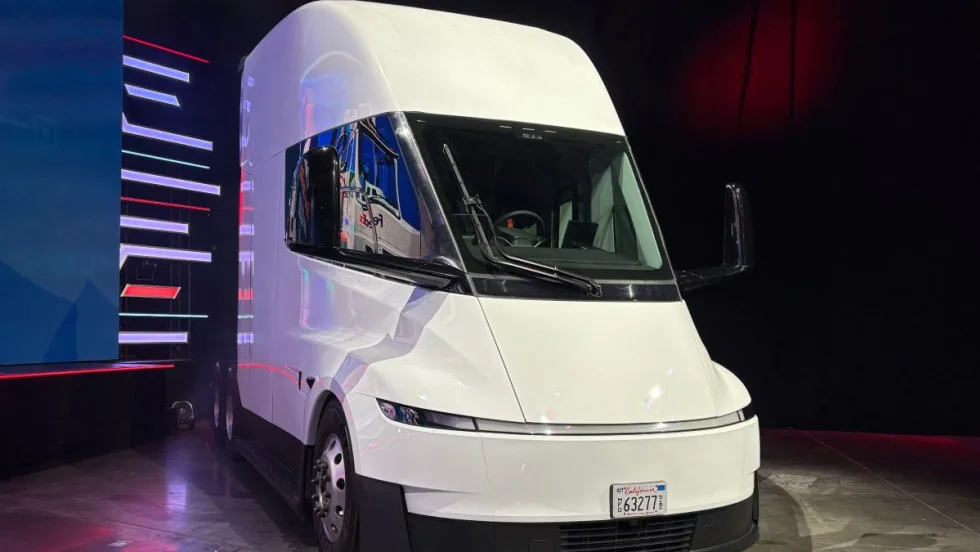
Fleet Economics Shape Electric Truck Outlook
ACT Research expects costs, charging infrastructure, and technology improvements to drive zero-emission commercial vehicle adoption as federal regulations and incentives retreat.
Read More →
Wex Adds Cardless Fuel Payments for Over-the-Road Customers
A new fuel card feature for Wex customers offers convenience and security.
Read More →
New California Law Could Shed Light on Electric Truck Prices
Why do battery-electric Class 8 trucks remain so expensive? A California bill signed by Gov. Gavin Newsom would give fleets and state agencies more visibility into what manufacturers charge.
Read More →