




Related: Most Fleets Should Consider Low-Viscosity Oil for Fuel Economy
Mahle Develops Lead-Free Diesel Engine Bearings
Mahle Engine Components has developed a lead-free bearing system for heavy-duty truck engines, engineered with polymeric coatings for better wear resistance to help engine manufacturers deal with new low-viscosity engine oils.
by Staff
October 27, 2016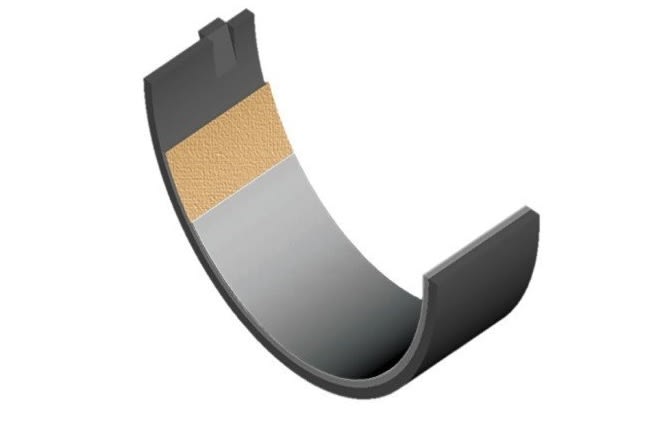
Image via Mahle
2 min to read

Mahle Engine Components has developed a lead-free bearing system for heavy-duty truck engines, engineered with polymeric coatings for better wear resistance to help engine manufacturers deal with new low-viscosity engine oils.
The new system is designed to improve performance over existing bearing linings that include lead. The polymer technology was already in use in the light- and medium-duty markets for engines under 10L. Mahle adapted the technology for loaded bearings in heavy-duty applications, reflecting changes in bearing operating conditions and a market need for alternative solutions, according to the company.
Compared to lead-free bearings with electroplated coatings, the polymer-coated bearings offer increased resistance to wear and fatigue, according to Mahle. Polymer-coated crankshaft main bearings and connecting rod bearings are also improved over electroplated leaded bearings.
Removing lead from the bearing also improves corrosion resistance and allows for extended oil-drain intervals. Lead-free bearings are also more environmentally friendly and easier to dispose of.
The first engines to use Mahle’s polymeric lead-free bearings will appear in new vehicles during the second half of 2016. The company is also developing programs for additional applications with two more major engine manufacturers.
"Our new bearing system provides a great combination of proven cast-bronze bearing technology with a polymer overlay that features high load capabilities, as well as seizure and wear resistance," said Joachim Wagenblast, head of product development for MAHLE Engine Components USA.
More Fuel Smarts
Cummins Adjusts 2027 Engine Rollout After EPA Proposal
The engine maker will gradually introduce its new Model Year 2027 diesel engines while continuing to offer current models during the transition, citing the EPA's proposed emissions rule changes.
Read More →
EPA Proposal Could Ease 2027 Truck Costs and Buying Uncertainty
The proposal doesn't change the tougher NOx standard, but it would revise key implementation requirements that manufacturers say have driven up costs and complicated fleet purchasing decisions.
Read More →
Cummins, Paccar Ease DEF Derates After EPA Guidance
Updated diesel engine software gives truck operators more time to address emissions-system issues while staying compliant with EPA emissions standards.
Read More →
Maintenance in the Messy Middle Part 3: Biodiesel
Biodiesel can reduce emissions, improve fuel-system lubricity and use existing diesel infrastructure. But NACFE’s Messy Middle maintenance report says fleets must actively manage storage, cold-weather operation, filters and oil drain intervals to avoid problems.
Read More →
Sponsored•July 1, 2026
Enhance Fleet Performance with High-Efficiency Auxiliary Power Units
Drive sustainable cost savings while increasing driver comfort during short- and long-haul logistics operations.
Read More →
Maintenance in the ‘Messy Middle’ Part 2: Renewable Diesel Fuel
NACFE's latest Messy Middle Powertrain Service & Maintenance report says renewable diesel gives fleets an opportunity to reduce carbon emissions without changing trucks, fueling infrastructure or maintenance practices. But technicians still need to understand several important operational differences.
Read More →
The Diesel Engine Enters NACFE’s ‘Messy Middle’
NACFE’s new Messy Middle Powertrain Service & Maintenance report says keeping modern diesel engines running now depends as much on software, diagnostics and data as traditional mechanical service.
Read More →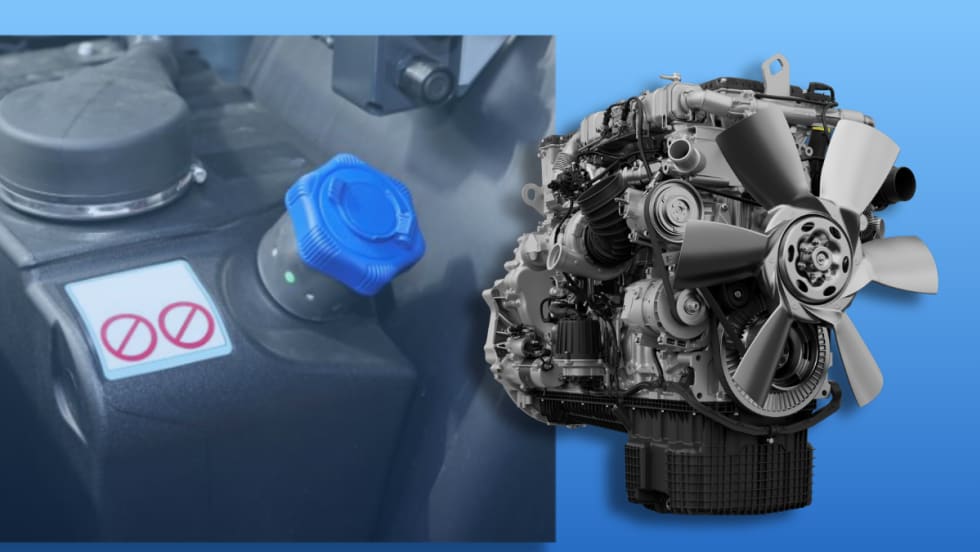
DTNA Software Update Gives Truckers More Time Before DEF Derates Take Effect
The changes reflect EPA guidance aimed at reducing downtime caused by emissions-system faults while maintaining compliance requirements.
Read More →
New Agentic Predictive Maintenance Report Demonstrates How Degraded Aftertreatment Systems Waste Fuel
Questar analyzed a large mixed-class fleet and discovered it was wasting as much as $30 in fuel per vehicle, per day, because of mechanically degraded aftertreatment systems.
Read More →
New York City's Microhub Project is Delivering Results
Trucking, last-mile delivery companies, and environmental advocates like what they are seeing so far with New York's microhub program.
Read More →