




Acquisition to Bring Automatic Truck-Loading Tech to U.S.
The Heico Companies has acquired Dutch firm Ancra Systems B.V. with plans to bring the company’s automatic truck loading/unloading system to North American markets.
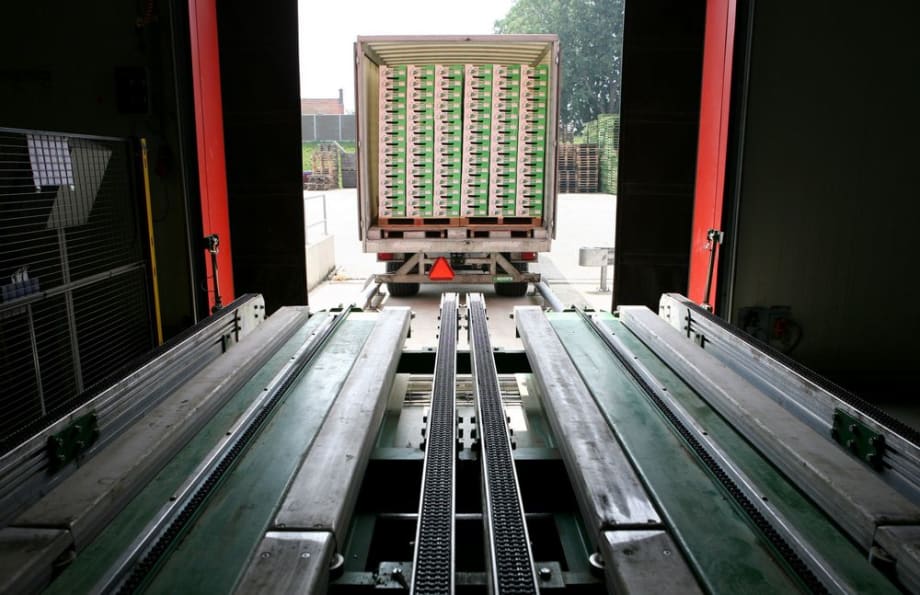
Photo: Ancra Systems
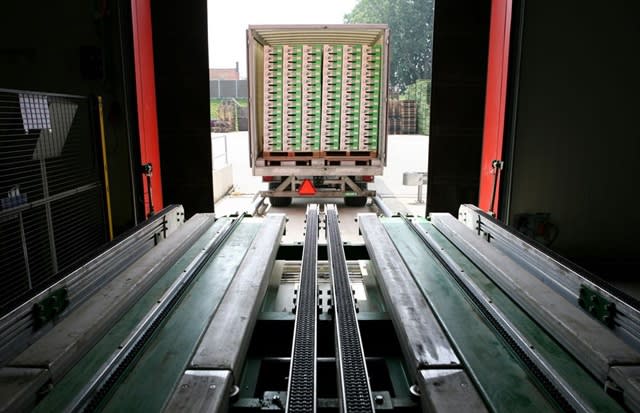
Photo: Ancra Systems
The Heico Companies has acquired Dutch firm Ancra Systems B.V. with plans to bring the company’s automatic truck loading/unloading system to North American markets.
Ancra Systems is based in Boxtel, Netherlands and expands Heico's holdings of cargo management entities. Heico is a parent holding company for a portfolio of more than 36 businesses involved in manufacturing, construction and industrial services.
“This acquisition will bring advanced loading system technology to the North American trucking and material handling sectors and extend the advantages of automation throughout the warehouse, to the docks and into the trailers,” said Steve Frediani, president and CEO of Heico’s Ancra unit. “The addition of Ancra Systems positions Heico as a global player in the automated cargo management, loading, control and unloading space.”
Ancra’s automated system can load or unload a trailer with palletized cargo in about three minutes, according to the company. The system can also have safety benefits as forklift-based cargo movement leads to about 34,800 serious injuries each year, according to OSHA. The automated system can reduce the opportunity for human error within a facility and potentially increase safety.
“Automation and the efficiencies it brings has already permeated many dimensions of manufacturing and warehouse operations in Europe and North America,” said Marc Hezemans, managing director for Ancra. “The difference is that many European operations have been enjoying the additional benefits of our automated truck loading and unloading systems for more than 20 years.”
Ancra offers six different systems with custom-designed capabilities that include a Chain Conveyor System and Skate System for palletized freight, a Roller Conveyor System for air cargo, a Slat Conveyor System for mixed and palletized freight, a Plastic Belt System for mixed and palletized freight and a Belt Conveyor System for loose loaded parcels.
The Skate Loader and Load Runner Plus systems require no trailer mounted interface upfits or retrofits to gain the benefits of the ATLS.
Likely candidates for the company’s system applications are manufacturers or distributors of high-volume, relatively standardized products operating in closed-loop environments, JIT scenarios and certain one-way loading applications. Industries include trucking, logistics, material handling, food, beverage, cold chain and a wide variety of manufacturers, particularly Tier One and Tier Two suppliers in close proximity to customers.
“We expect to have our North American sales and technical support in position by the end of the first quarter of 2017,” said Marcel Berkers, sales director for Ancra. “We’ve watched these systems positively change industries around the world, and we expect the same thing to occur here in North America as well.”
More Fleet Management

How Telematics Improves Visibility, Control, and Performance in Refrigerated Fleets
Explore how telematics help refrigerated fleets improve visibility, uptime, efficiency, compliance, and cargo protection across connected cold chain operations.
Read More →
What the U.S.-Canada Trade War Means for Trucking
Escalating U.S.-Canada tariffs could disrupt cross-border freight, reduce truck volumes, raise costs, and create new uncertainty for carriers on both sides of the border.
Read More →
What Are Trucking’s Top Concerns for 2026?
The American Transportation Research Institute wants to know what's worrying trucking fleet managers, drivers, and other stakeholders in its annual Industry Issues survey.
Read More →

American Trucking Associations Looks for a New Leader
ATA President and CEO Chris Spear abruptly left his job at the association on August 21, at a pivotal time for the trucking industry.
Read More →
Public Wi-Fi Cybersecurity Risks: How Truck Drivers and Fleets Can Protect Their Data
Public Wi-Fi can expose truck drivers and fleets to credential theft, malware, and other cyber threats. Here’s how to reduce the risk on the road.
Read More →
For Nicky Cupp, Fleet Innovation Starts With Frustration
HDT Truck Fleet Innovator Nicky Cupp turns everyday pain points at Fraley & Schilling into opportunities for better technology and smarter processes.
Read More →
Adam Buttgenbach’s Approach to Electric Trucks: Start With Where They Fit
HDT Truck Fleet Innovator Adam Buttgenbach helped PepsiCo build one of North America’s largest EV fleets by focusing on where electric trucks make operational sense.
Read More →
Deen Albert: Let Automation Do the Math, People Make the Decisions
HDT Truck Fleet Innovator Deen Albert makes sure people are still at the heart of operations at Grand Island Express, even while adopting artificial intelligence tools. AI-assisted dispatch helped boost revenue 25% with the same number of trucks.
Read More →
Trimble’s New AI Agent Takes Aim at Fleet Back-Office Busywork
Arc Agent works across Trimble TMS products to automate repetitive tasks such as freight orders, maintenance, invoices, fuel costs and more.
Read More →
How HDT’s 2026 Truck Fleet Innovators Are Rethinking Fleet Operations
Meet five trucking leaders who are challenging assumptions, solving operational problems, and putting innovative ideas to work.
Read More →