




Next-Generation Freightliner Cascadia Emphasizes Fuel Economy, Connectivity, Drivers
Every aspect of the next-generation Freightliner Cascadia unveiled Sept. 1 “has been re-imagined,” said Richard Howard, senior vice president of sales and marketing for Daimler Trucks North America. It’s a "completely brand new truck"... not Cascadia 2.0.
by Staff
September 1, 2016
New Freightliner Cascadia 126” BBC 72” Raised Roof Sleeper Cab shown with AeroX and Elite exterior appearance package. Photo courtesy Freightliner.
5 min to read

Every aspect of the next-generation Freightliner Cascadia unveiled Sept. 1 “has been re-imagined,” said Richard Howard, senior vice president of sales and marketing for Daimler Trucks North America. It’s a "completely brand new truck"... not Cascadia 2.0.
“We are raising fuel efficiency, connectivity, safety, quality and uptime performance to even greater levels, and also introducing a premium driver experience as a powerful customer benefit and driver retention tool," Howard said Sept. 1 during the introduction of the new truck in Colorado Springs.
The new truck, which will be designated a Model Year 2018, will begin production in January, ramping up to full production by March. Production of the current Cascade will continue for two years.
The next-generation Cascadia combines a new aerodynamic shape with the newest Detroit integrated powertrain for superior fuel economy. According to DTNA CEO Martin Daum, it ”is a mind-boggling 8% more efficient than the Cascadia Evolution, the current most efficient truck on the road."
Standard aerodynamic enhancements such as an upper door seal, elliptical-shaped mirrors, sloped hood, bumper with integrated air deflector and integrated antennas all minimize drag. The optional Aero and AeroX packages provide additional aerodynamic benefits to manage airflow, including longer side extenders, lower chassis fairings, drive wheel covers and proprietary-designed wheel fairings.
The new Cascadia is available with the integrated Detroit Powertrain, which combines the fuel-efficient downsped 400 hp/1,750 lb/ft. of torque Detroit DD15 or DD13® engines with the Detroit DT12 automated manual transmission, Intelligent Powertrain Management (IPM4) and corresponding Detroit steer and rear tandem axles. The new Detroit rear axles have features such as lower sump volume, gear-set coating, friction reducing gear cutting and optional Axle Lubrication Management that reduces parasitic loss and improves fuel economy.
The new DT12 has also been updated to improve fuel efficiency and reduce friction by using super-finished gears and use of low viscosity transmission oil. It also features the latest generation of intelligent powertrain management, which uses a GPS-based system to anticipate upcoming road terrain and maximize the powertrain’s ability to utilize fuel most effectively.
Focusing on the Driver Experience
DTNA said the interior of the new Cascadia has received more attention than any previous Freightliner truck. Improvements range from the layout of the gauges and switches in the driver compartment to features inside the sleeper area, including a new Driver’s Loft configuration.
Steering and handling have been improved with the driver in mind. A new front suspension provides a smoother ride and improved roll stiffness, and the steering gear is now located further forward to help improve steering precision and ultimately lead to less driver fatigue.
Switches and steering wheel controls allow drivers to work without leaning and stretching. In the instrument cluster, digital smart gauges and information displays keep drivers informed as they drive.
New noise abatement technology can be further improved with an optional insulation package using 3M Thinsulate technology. A new engine mount design provides better vibration isolation and the engine tunnel cover is now constructed using Quiet Steel technology.
The sleeper area has been redesigned to include more cabinets, with larger spaces that can accommodate standard appliances. A television swivel bracket can hold up to a 26-inch flat panel TV. Double-bunk and Driver Loft options are also available. A new cargo shelf option allows drivers to store containers or duffle bags easily. If an upper bunk is spec’d, it will come standard with an easily released telescoping ladder.
The Driver‘s Loft features a dinette table/work table and opposing seating with seat belts. These can be folded down flat quickly to allow for a murphy-style bed to swing down. The Driver’s Loft also comes standard with aircraft-inspired LED ambient lighting and dimmer switch so drivers can personalize their light levels.
DTNA didn’t forget technicians in designing the Cascadia. New splayed frame rails create more room in the engine compartment to allow easy access for maintenance tasks, and most electronic control units are now stored securely in the cab in the new eVault for easier convenience and protection from the elements. In front of the eVault is the fuse and relay box, which is easily accessible with no hand tools needed. The dash panel was designed to be easily removed, and the standard two-piece front bumper can be removed in just two minutes.
An updated, larger, engine air filter increases airflow and requires less frequent replacement intervals. Long-lasting LED lights are standard on interior and exterior.
Innovative new headlights incorporate LEDs in the low beam, high beam, daytime running lamp, park lamp and turn signal lamp. The LED provides an impressive field of view in nighttime and bad weather conditions.
Connected Performance
Detroit has developed a proprietary connectivity platform exclusively for the new Cascadia. It will facilitate the delivery of current Detroit Connect features, such as Virtual Technician remote diagnostics, plus new features designed to provide deeper insights on fuel efficiency and safety performance.
The introduction of the new platform also marks the debut of Detroit Connect Remote Updates, which enables over-the-air engine parameter programming and Detroit-initiated remote engine and other powertrain electronic controller firmware updates. Remote Updates features will be available to customers during the second half of 2017.
Also available as an option with the new Cascadia, Detroit Connect Analytics provides users with on-demand, automated fuel efficiency and safety analysis and reports featuring key insights from Detroit and DTNA engineers.
The connectivity platform will be available in the new Cascadia in January 2017.
HDT Equipment Editor Jim Park is on the scene at the Cascadia introduction; watch for his follow-up coverage with with more details and insights.
More Fuel Smarts

EPA Proposal Could Ease 2027 Truck Costs and Buying Uncertainty
The proposal doesn't change the tougher NOx standard, but it would revise key implementation requirements that manufacturers say have driven up costs and complicated fleet purchasing decisions.
Read More →
Cummins, Paccar Ease DEF Derates After EPA Guidance
Updated diesel engine software gives truck operators more time to address emissions-system issues while staying compliant with EPA emissions standards.
Read More →
Maintenance in the Messy Middle Part 3: Biodiesel
Biodiesel can reduce emissions, improve fuel-system lubricity and use existing diesel infrastructure. But NACFE’s Messy Middle maintenance report says fleets must actively manage storage, cold-weather operation, filters and oil drain intervals to avoid problems.
Read More →
Sponsored•July 1, 2026
Enhance Fleet Performance with High-Efficiency Auxiliary Power Units
Drive sustainable cost savings while increasing driver comfort during short- and long-haul logistics operations.
Read More →
Maintenance in the ‘Messy Middle’ Part 2: Renewable Diesel Fuel
NACFE's latest Messy Middle Powertrain Service & Maintenance report says renewable diesel gives fleets an opportunity to reduce carbon emissions without changing trucks, fueling infrastructure or maintenance practices. But technicians still need to understand several important operational differences.
Read More →
The Diesel Engine Enters NACFE’s ‘Messy Middle’
NACFE’s new Messy Middle Powertrain Service & Maintenance report says keeping modern diesel engines running now depends as much on software, diagnostics and data as traditional mechanical service.
Read More →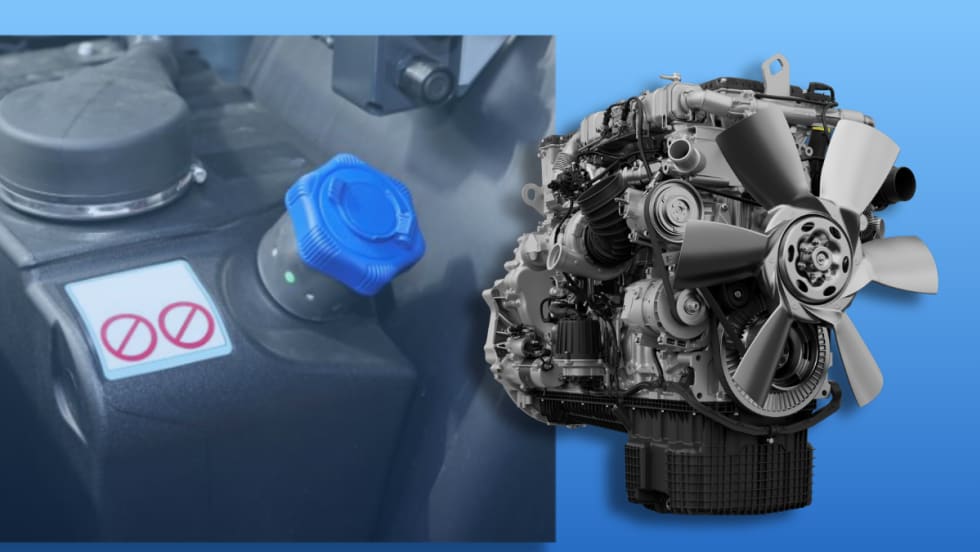
DTNA Software Update Gives Truckers More Time Before DEF Derates Take Effect
The changes reflect EPA guidance aimed at reducing downtime caused by emissions-system faults while maintaining compliance requirements.
Read More →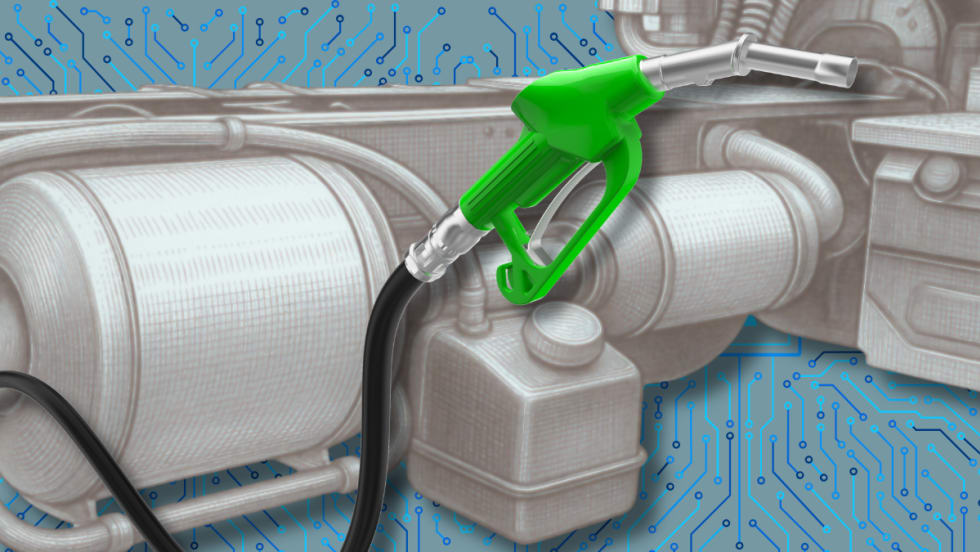
New Agentic Predictive Maintenance Report Demonstrates How Degraded Aftertreatment Systems Waste Fuel
Questar analyzed a large mixed-class fleet and discovered it was wasting as much as $30 in fuel per vehicle, per day, because of mechanically degraded aftertreatment systems.
Read More →
New York City's Microhub Project is Delivering Results
Trucking, last-mile delivery companies, and environmental advocates like what they are seeing so far with New York's microhub program.
Read More →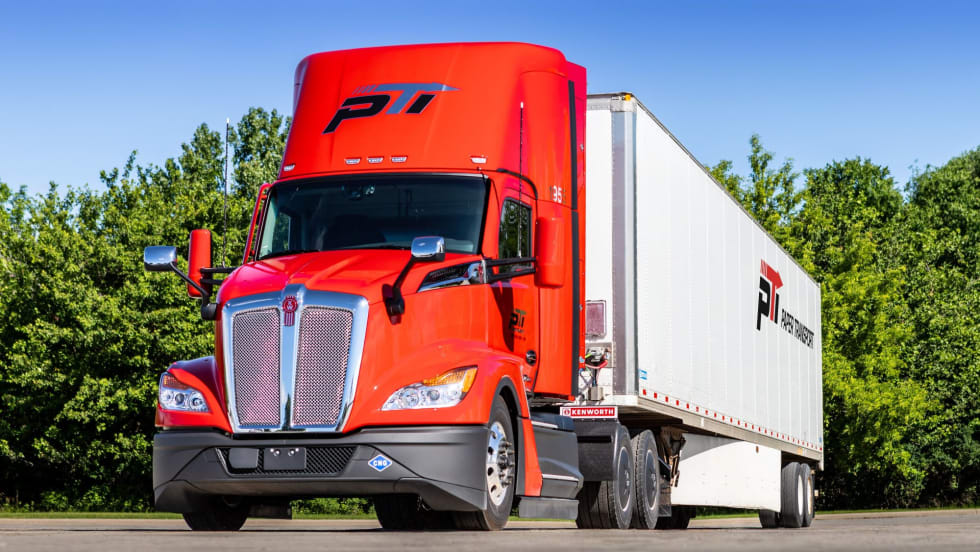
Lessons Learned About Alternative Fuels: Start Small, Stay Flexible
Practical advice on adopting alternative fuels and ZEVs from HDT's 2026 Top Green Fleets, from renewable diesel and natural gas to electric trucks.
Read More →