




FTR Conference: Digital Disruptions and the Future of Trucking
INDIANAPOLIS -- Expect big changes over the years in the way trucking and supply chains are managed, including turning it upside down. That was one of the messages those attending the FTR Transportation Conference heard Thursday morning.

Steve Sashihara, CEO of Princeton Consultants, talks about digital disruption at FTR's annual conference. Photo: Evan Lockridge
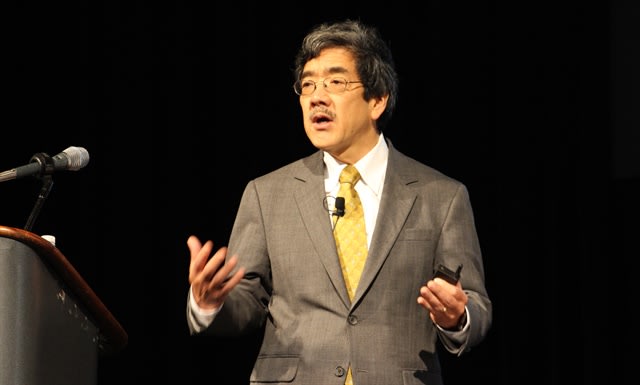
Steve Sashihara, CEO of Princeton Consultants, talks about digital disruption at FTR's annual conference.Photo: Evan Lockridge
INDIANAPOLIS -- Expect big changes over the years in the way trucking and supply chains are managed, including turning it upside down. That was one of the messages those attending the FTR Transportation Conference heard Thursday morning.
A survey of both trucking/logistics and supply chain firms shows that drones, self-driving trucks, so-called “Uber” for freight transportation as well as the “internet of things” and “big data” all have the power to disrupt today’s ways of moving freight over the next seven to eight years, according to Steve Sashihara, CEO of the information technology and management firm Princeton Consultants.
In fact, changes in many of these five areas already are moving rapidly. For example, he pointed out, over the last year drones have moved beyond a high-tech hobby, with the federal government issuing its first commercial drone rules and actual commercial deliveries being made – which included 7-11 Slurpee drinks, a chicken sandwich, donuts, hot coffee and candy.
The concept of self-driving vehicles in the past couple of years has moved from a “wacky” idea from companies such as Google, Apple and Tesla, with Freightliner unveiling its prototype autonomous trucks for licensed road tests. The last year has been filled with news of self-driving technologies from every major car manufacturer, and many start-ups.
But when will self-driving/autonomous vehicles become an common reality? When people stop being so defensive about such new technology and there is what what Sashihara called an “inversion” of conversation.
“Until we stop saying, 'When will self-driving trucks be safe enough to put on the road and be good as a normal driver,' and we start flipping it and saying, 'Self-driving trucks are not 100% bullet proof but they are safer than commercial drivers,'” Sashihara said. “We start saying that, it’s just going to flip.”
He said pushing the development of this new generation of trucks are the massive investments being made by automakers and technology firms, while government officials see this is as economic opportunity.
His company, Princeton Consulting, is forecasting implementation in the U.S. taking place in three phases:
1. Truck Autopilot, assisting traditional driver still in seat
2. Linehaul Driverless – linehaul on highways, with first/last mile conventional drayage
3. Door to Door Driverless – only when public believes the technology is safer than human drivers.
Another big area ripe for big technology changes in what's often called "Uber for trucking.” Based on the ride-sharing service Uber, in which people use apps to get rides, the idea is similar, but transporting freight rather than people. He said this is already being done by a handful of companies.
Sashihara said the success of the ride-share app Uber for private transport is a useful incentive for spurring innovation in freight.
“We don’t think people in general are going to order a 53-foot dry van trailer by an iPhone, hit a button and an owner-operator they have never met is going to respond and pick up the load, and all their intermediaries are gone,” he said. “But we do think it’s a useful incentive for looking at innovation, and it’s hard not to look at the taxi industry and say man, they were asleep at the switch.”
His consulting company believes there are several tailwinds pushing what he calls this “radical disintermediation,” including that transportation (drivers, equipment and storage) is a commodity, and that new ways of matching spare capacity with surge/seasonal demand are compelling to both buyers and sellers.
The result, Princeton sees, are several primary use cases:
Enable more cost-effective same-day / short-haul moves to take advantage of excess capacity, especially in less-than-truckload
Provide broader reach and ways to share situational awareness for all parties, such as the shipper, consignee, 3PL/broker, carrier, driver
Encouraging more standardized communications, including those in real-time that are both easy to implement and use. This also includes self-serve apps and even hookups without custom IT.
According to Sashihara, the ultimate result of all of this new technology will impact many areas of freight transportation, including workforce planning and scheduling, last mile deliveries, streamlining or eliminating paperwork, better estimates of when movements will be late, and in many other ways.
“This is the world that we are coming into and it’s a pretty exciting world,” he said, and cited the Asian blessing-curse, ‘May you live in interesting times.’“
"Well, we live in interesting times, don’t we, so I am looking forward to it with what’s coming out.”
More Fleet Management
Why This Trucking Recovery Is Different
Freight demand remains sluggish, but rising costs and tougher enforcement have taken enough capacity out of the market to change the outlook for motor carriers.
Read More →
Platform Science Adds Dispatch and Safety Tools
Four additions to PS Fleet help fleets monitor loads, manage driver coaching, share truck locations and adjust video system settings.
Read More →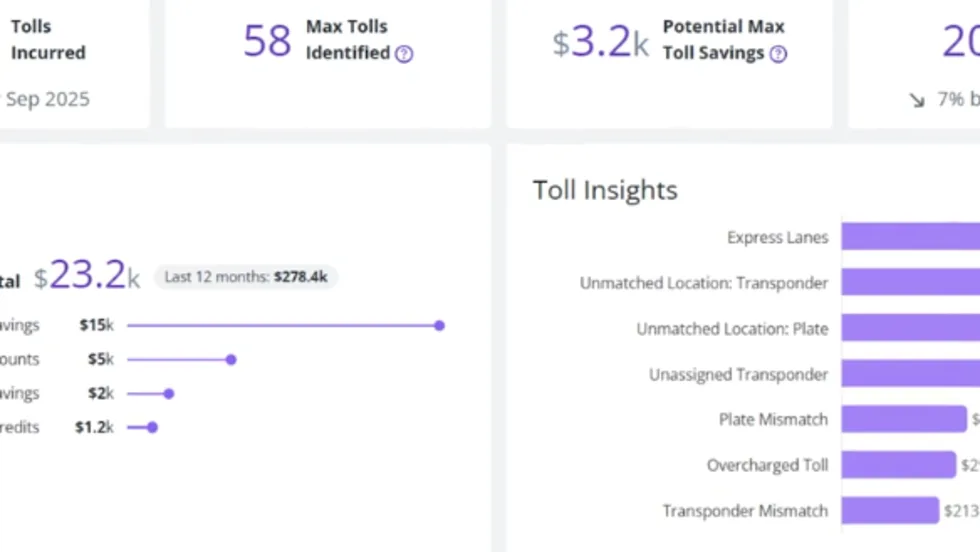
PrePass Intelligence Mines Fleet Bypass, Toll and Safety Data
PrePass Intelligence helps fleets measure bypass savings, flag potential toll overcharges, and spot suspicious transactions by combining data from separate systems.
Read More →
Motive Adds AI Agents for Fleet Operations
New tools automate follow-up on fleet data, from maintenance work orders to driver alerts, with two-way voice conversations planned for later this year.
Read More →
Can You Beat Our Trucking Trivia Challenge?
Test your truck knowledge with 19 trivia questions from Heavy Duty Trucking Exchange. Can you keep up with the fleet pros?
Read More →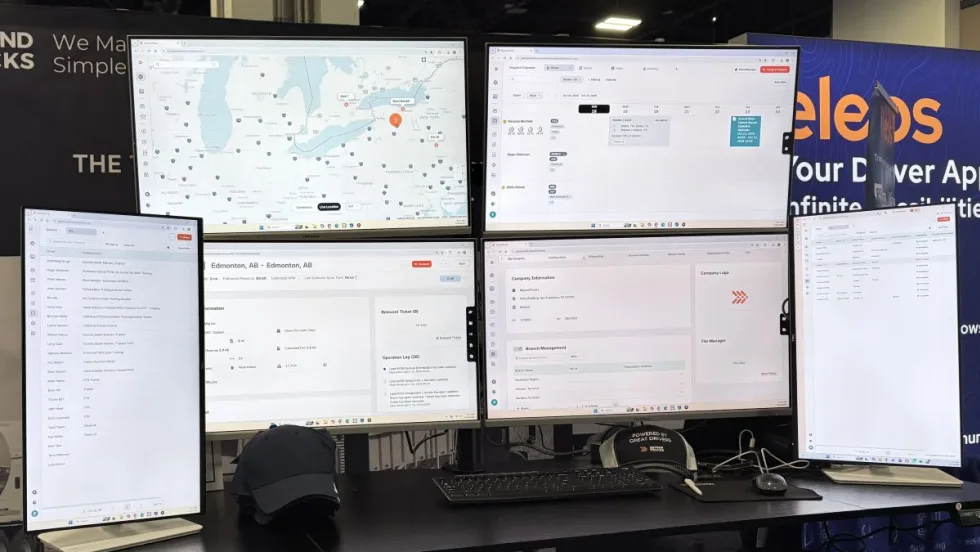
BeyondTrucks Adds Rules Checks to Dispatch
New Compatibility Engine checks driver qualifications, equipment requirements and fleet policies before loads are dispatched.
Read More →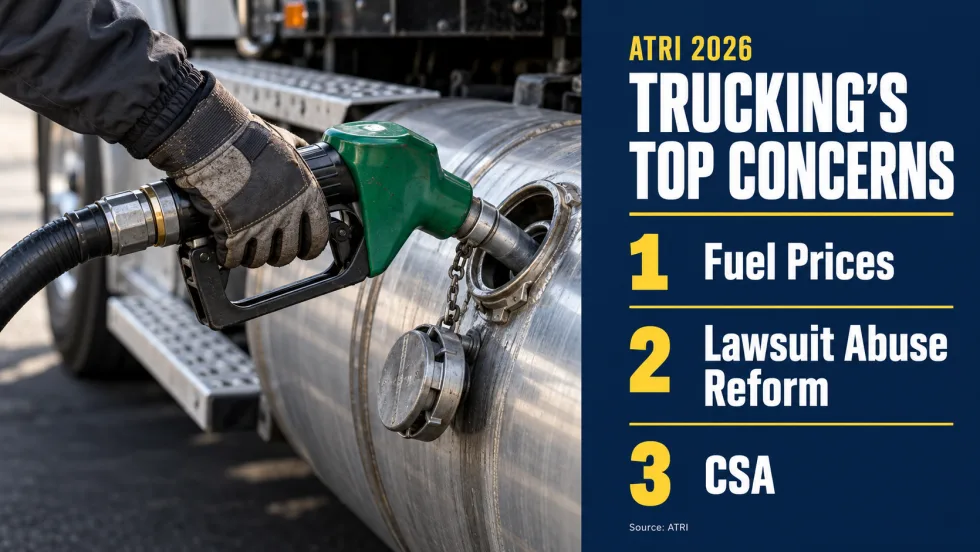
Diesel Prices Hijack Trucking’s Worry List
ATRI’s annual survey finds cautious optimism about freight, but diesel costs, litigation, and insurance continue to squeeze fleets. Drivers have different priorities on several issues.
Read More →
Nomination Deadline Extended for HDT Emerging Leaders
Just a few more days to nominate accomplished trucking fleet professionals under 40 who are making an impact and helping lead the industry forward for the HDT Emerging Leaders award. Deadline extended to October 20!
Read More →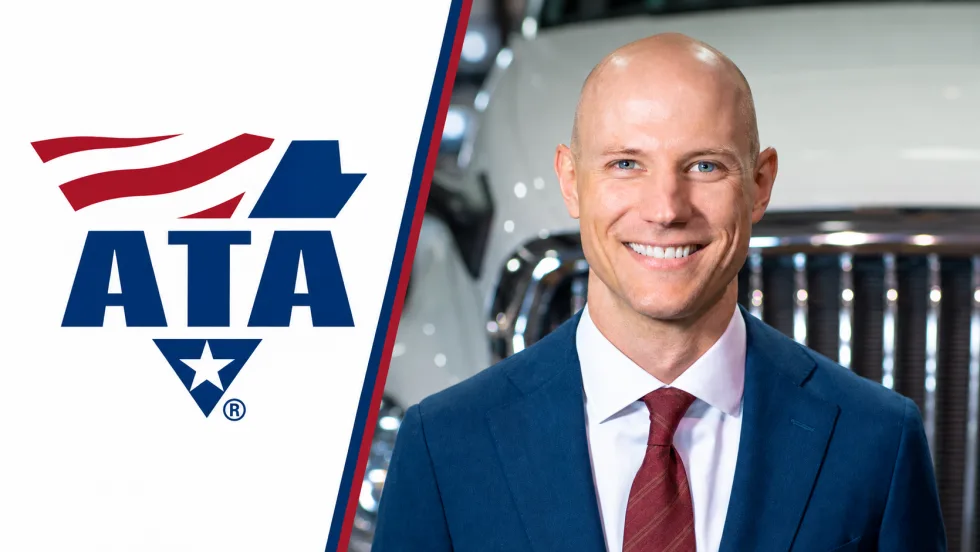
What Will ATA’s New Leader Bring to Trucking's Table?
Incoming President and CEO Mark Colson’s record in Alabama offers clues about his priorities and approach following Chris Spear’s abrupt departure as the head of the American Trucking Associations.
Read More →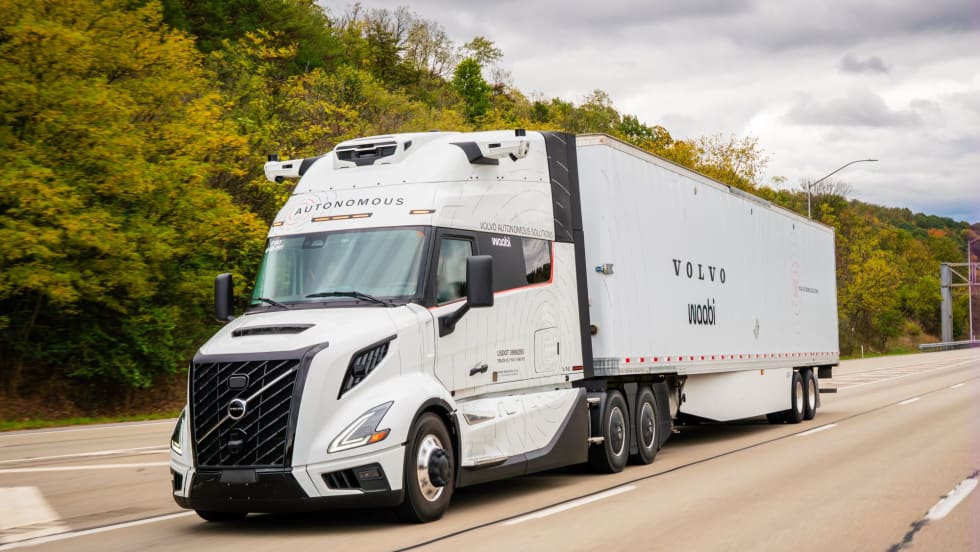
Volvo, Waabi Start Commercial Autonomous Operations in Texas
Volvo VNL Autonomous trucks, powered by the Waabi Driver, are hauling freight directly to third-party facilities for a customer in Texas.
Read More →