Highway Deaths Climbed 7.2% in 2015; Those Involving Large Trucks Rose 4.1%
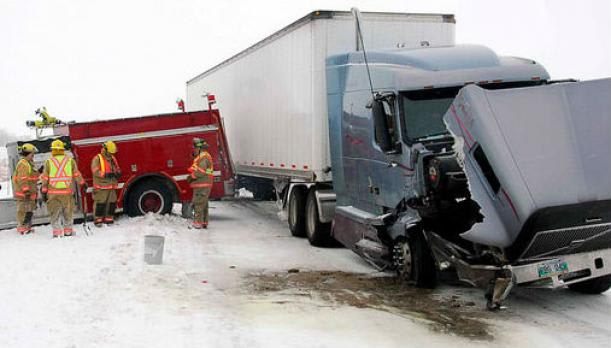
Traffic crashes took the lives of 35,092 persons in 2015, marking a 7.2% increase. The number of deaths attributed specifically to crashes involving large trucks jumped 4.1%.
David Cullen・[Former] Business/Washington Contributing Editor
Traffic crashes took the lives of 35,092 persons in 2015, according to final data released Aug 29 by the National Highway Traffic Safety Administration.
That 7.2% increase in highway fatalities from 2014 marks the end of a nearly 50-year trend toward declining fatalities. The largest percentage increase previously was the 8.1-percent rise recorded from 1965 to 1966.
Ad Loading...
The number of deaths attributed specifically to crashes involving large trucks jumped 4.1%, marking the highest increase in this statistic since 2008. Of the 4,067 large-truck fatalities, 16.4% were occupants of large trucks, 10.1% were non-occupants, and 73.5% were occupants of other vehicles.
The 2015 data also showed that the estimated number of people injured on the roads increased as well, from 2.34 to 2.44 million people, as did the number of police-reported crashes, from 6.0 to 6.3 million.
NHTSA said that traffic deaths increased across nearly every segment of the population, including passenger vehicle occupants, passengers of large trucks, pedestrians and motorcyclists. Also up were alcohol-impaired driving fatalities. Fatalities of drivers of large trucks was one of the few groups that remained unchanged.
Ad Loading...
Per NHTSA, the number of traffic deaths was nearly 25% higher ten years ago, with 42,708 fatalities reported in 2005. “Since then,” the agency stated, “safety programs have helped lower the number of deaths by increasing seat belt use and reducing impaired driving. Vehicle improvements, including air bags and electronic stability control, have also contributed to reducing traffic fatalities.”
However, NHTSA also pointed out that recently “job growth and low fuel prices… have led to increased driving, including increased leisure driving and driving by young people. More driving can contribute to higher fatality rates. In 2015, vehicle miles traveled (VMT) increased 3.5% over 2014, the largest increase in nearly 25 years.”
Given the sharp reversal 2015 marks in what had been a long-running positive trend, NHTSA, the Department of Transportation and the White House have jointly announced a “call to action” aimed at involving a range of stakeholders to help determine why highway deaths have increased.
For its part, NHTSA said it will share its Fatality Analysis Reporting System with safety partners, state and local officials, policy experts and others. The agency also said that “private sector partners using new data collection technologies will be offering access to unprecedented amounts of data and new visualizations tools.”
"The data tell us that people die when they drive drunk, distracted, or drowsy, or if they are speeding or unbuckled," said NHTSA Administrator Mark Rosekind. "While there have been enormous improvements in many of these areas, we need to find new solutions to end traffic fatalities."
Ad Loading...
Secretary of Transportation Anthony Foxx said that "solving this problem will take teamwork, so we're issuing a call to action and asking researchers, safety experts, data scientists, and the public to analyze the fatality data and help find ways to prevent these tragedies.”
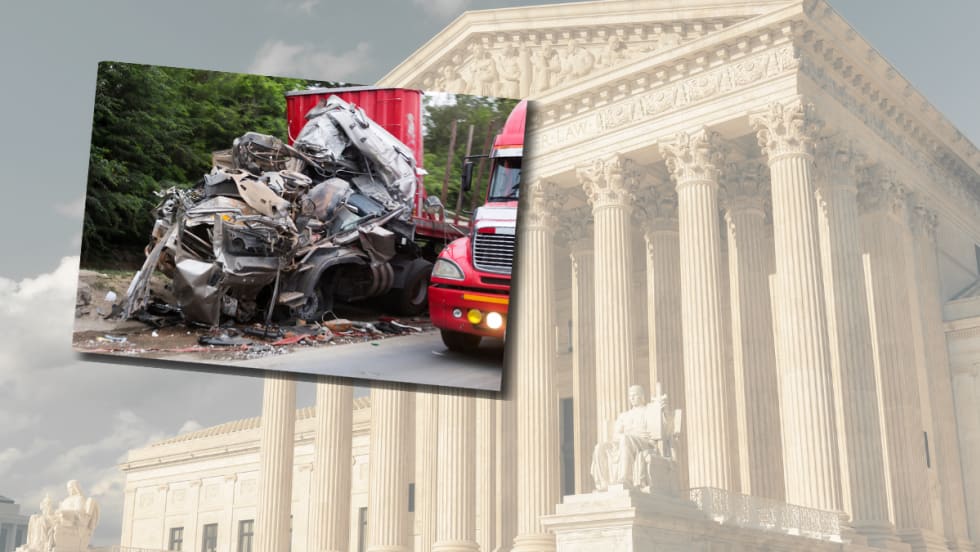
The unanimous SCOTUS ruling in the closely watched Montgomery v. Caribe case allows state negligence claims against freight brokers that hire unsafe motor carriers, raising new liability and vetting concerns among brokers.
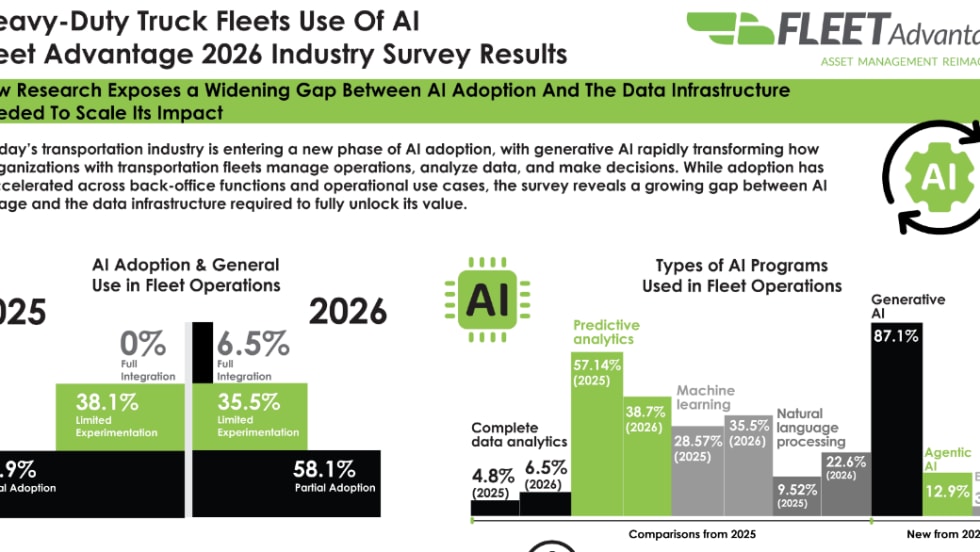
New Fleet Advantage research shows generative AI adoption has exploded among private fleets. But poor data integration and weak ROI tracking are preventing fleets from unlocking AI’s full operational and financial value.
When the unexpected happens, how you react to, and deal with operational blind spots is critical. Here’s how to keep you recovery on track, when nothing is normal.
As fleets adopt artificial intelligence for routing, maintenance, and load matching, new security risks are emerging. Learn where the vulnerabilities are and how to put the right controls in place.
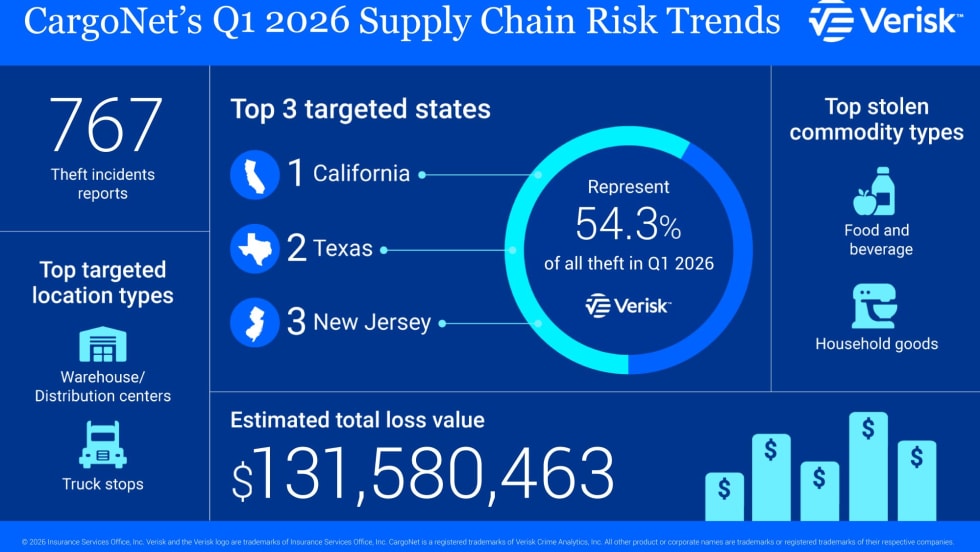
CargoNet reports fewer supply chain crime events to start 2026. But losses hold steady as organized crime shifts tactics toward impersonation schemes and high-value goods.
Heavy Duty Trucking is searching for forward-looking leaders at trucking fleets as nominations for HDT’s Truck Fleet Innovators 2026. Deadline is May 15.
Cargo theft rings plant operatives as drivers inside legitimate, fully vetted carriers, then execute coordinated thefts that look like a traditional straight theft from the outside.