




Veto of Truck Platooning Bill a Mistake, Says Industry Consultant
Car and truck technologies are "completely different," and Missouri's governor erred is equating one with the other in his veto of legislation that would've allowed testing in that state, says a consultant involved in development.
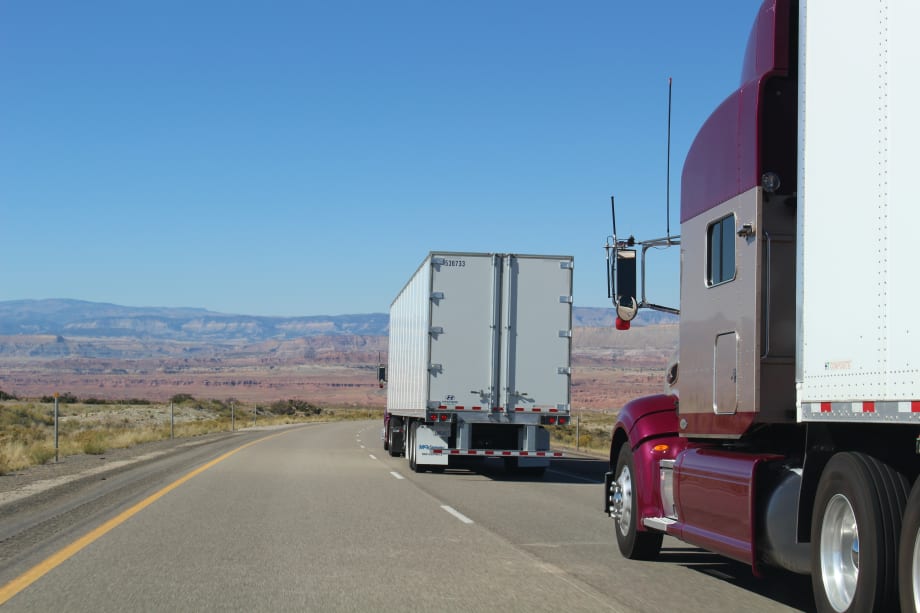
Both drivers steer in this test of a platooning system in the western U.S. In the Tesla car crash, the autopilot was in full control – though the driver should've intervened. Photo: Peloton Technology
Both drivers steer in this test of a platooning system in the western U.S. In the Tesla car crash, the autopilot was in full control – though the driver should've intervened. Photo: Peloton Technology
Missouri's governor confused self-driving systems in automobiles with platooning for commercial trucks, and his veto of a bill that would have allowed testing in the state was a mistake, a consultant involved in development of the technology told HDT.
"They're completely different," said Richard Bishop of the car and truck systems. Those for heavy trucks are not nearly automated as the beta-testing "autopilot" system that allowed a Tesla model S to run under a semi-trailer that was turning in front of the fast-moving sedan, killing its driver.
Goverson Jeremiah W. Nixon cited the Tesla accident in May (story here) as one reason he vetoed HB1733, a bill that would have established a pilot program for testing long-haul trucks using platooning systems (story here). Such testing is allowed under laws recently approved in California and Nevada, among other places.
Bishop, who is working with companies developing new capabilities for truck operation, said he was "disappointed" in the governor's action. He is chairman of a Technology & Maintenance Council task force on automated driving and platooning, but emphasized that he is speaking for himself, not TMC.
"First generation truck platooning systems are not automated," Bishop said in an email. "The system only controls the pedals and leaves the steering and monitoring of the road to the drivers of the two connected trucks. Autopilot systems, such as Tesla’s, automate steering, braking, and acceleration, allowing drivers to disengage from driving — hands-off, feet-off, and eyes-off.
"There are legitimate safety questions about autopilots and driver responsibility, but these questions don't apply to truck platooning. While platooning, the driver experience is basically the same as with today’s adaptive cruise control systems, but at inter-vehicle distances of 50-100 feet.
"Since platooning builds on commercially available collision mitigation systems, platoon-enabled trucks will likely be safer than most other trucks on the road, even when not platooning," Bishop said. "Somehow the governor missed these key points and, in my opinion, has taken a step backwards with regard to truck safety."
The TMC task force has published reports on platooning and automated driving that are posted on Trucking.org, the website of American Trucking Associations, TMC's parent.
More Safety & Compliance
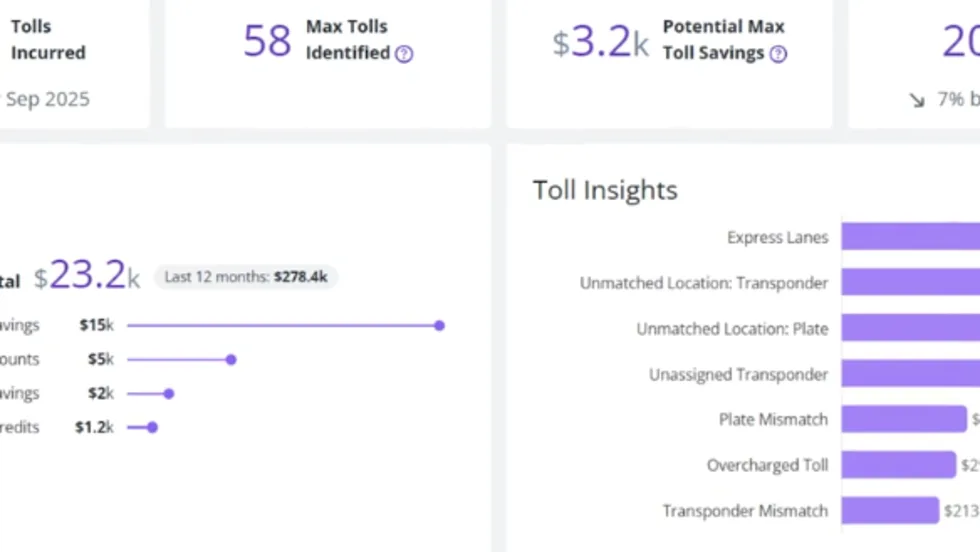
PrePass Intelligence Mines Fleet Bypass, Toll and Safety Data
PrePass Intelligence helps fleets measure bypass savings, flag potential toll overcharges, and spot suspicious transactions by combining data from separate systems.
Read More →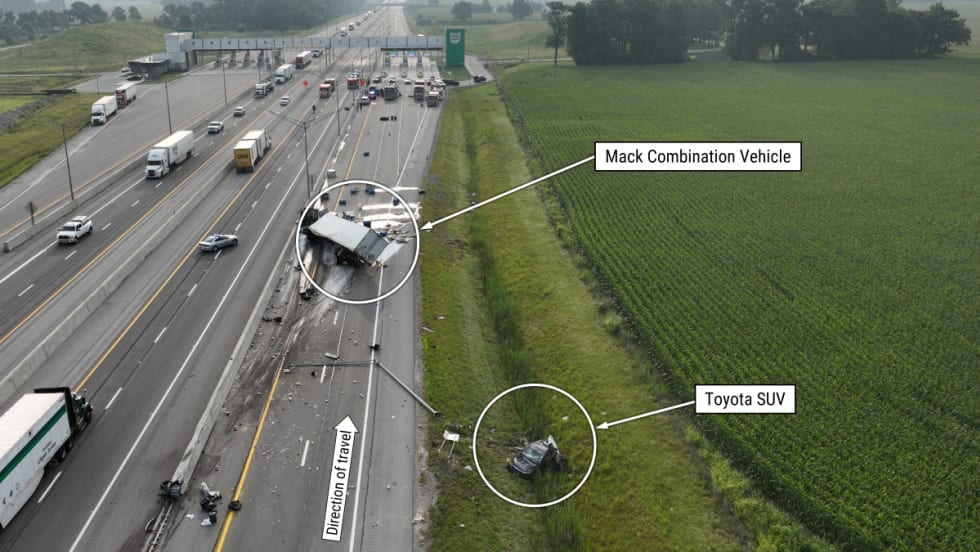
Fatal Crash Exposes Toll Plaza Risks
An NTSB investigation found that last-minute lane changes and large speed differences at an Ohio toll plaza created a hazard the truck driver couldn't avoid in time.
Read More →
When Language Stops the Truck: The Return of ELP Out-of-Service Orders
English language proficiency rules for commercial drivers aren’t new, but renewed out-of-service enforcement has raised the stakes. Here’s what carriers need to know before a driver reaches a roadside inspection.
Read More →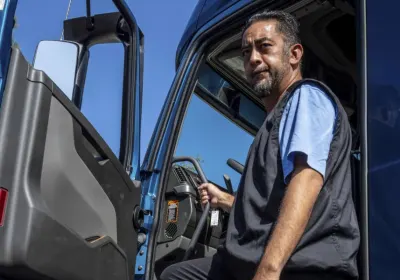
A Camera Isn't a Safety Program. Here's What Brokers Are Screening for Now
Footage alone may not be enough to pass broker vetting processes. Here's what counts as a defensible safety program now.
Read More →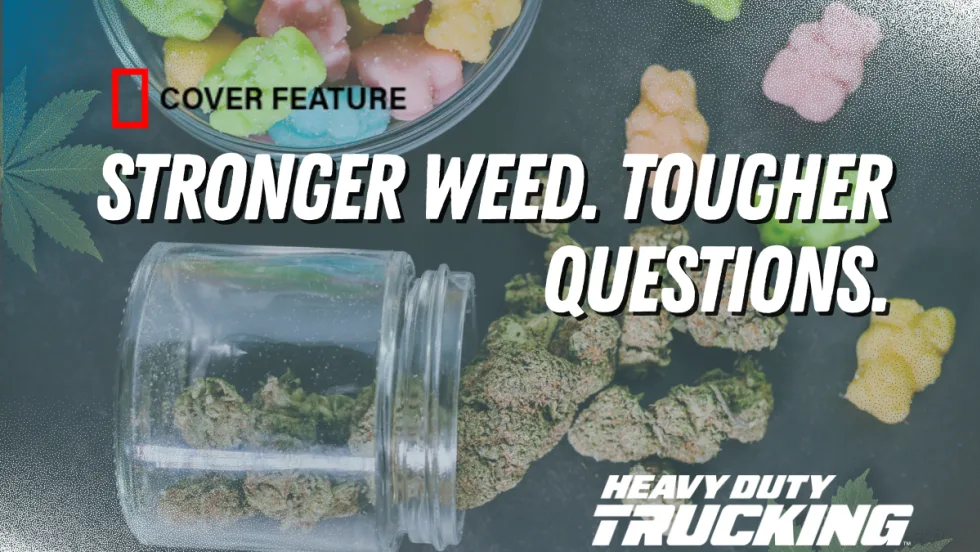
Marijuana and Trucking’s Drug-Testing Dilemma
Marijuana is getting stronger, laws are changing, and drug tests still can’t reliably establish impairment. What does that mean for truck drivers and the fleets that employ them?
Read More →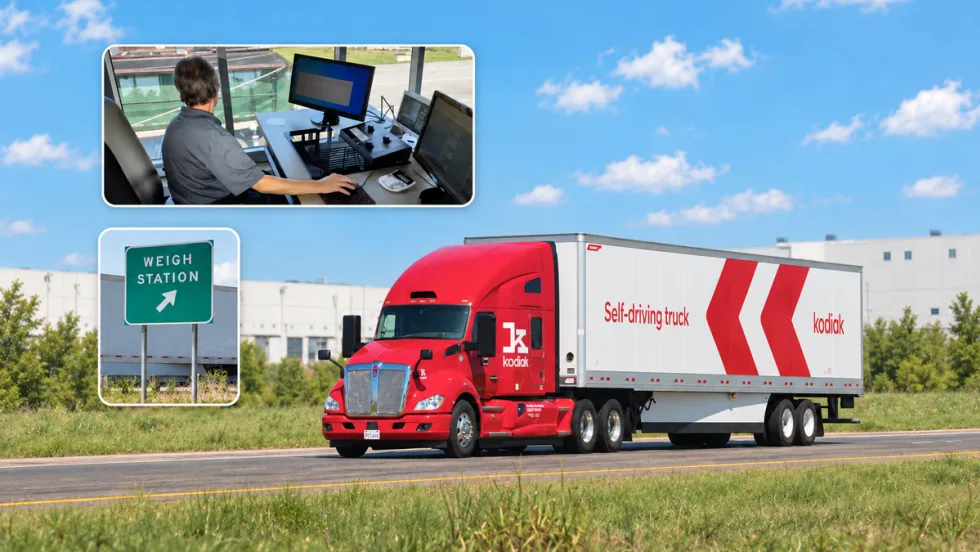
PrePass, Kodiak Connect Driverless Trucks to Roadside Enforcement
The system will allow enforcement agencies to verify Enhanced Inspection information and decide whether Kodiak’s autonomous trucks can bypass roadside screening sites.
Read More →
From One Generation to the Next: How Mentorship Builds Safer Truck Drivers
After three decades in trucking, Harold Perry shares what he's learned about driver safety, mentorship, and helping the next generation build confidence behind the wheel.
Read More →
FMCSA Pauses Biennial-Update Enforcement Amid Motus Transition
Carriers whose updates were due on or after June 1 have more time, while FMCSA works to stabilize its new registration system and warns of phishing sites impersonating its new carrier registration system, Motus.
Read More →
ZF Expands Commercial Vehicle Push in North America
ZF is expanding its North American commercial-vehicle presence with new transmission applications, electrification, trailer technology and autonomous-driving systems.
Read More →
Truck Drivers Need More Than Another Alert
Fleets have more visibility into truck health, safety events, and driver activity than ever. The next challenge is turning all that information into useful guidance for the person who has to decide what to do next.
Read More →