




Earnings Watch: FedEx Narrows Loss, Werner Lowers Expectations
FedEx Corp. cut much, but not all, of its second quarter losses compared to a year earlier, while a preview of Werner Enterprises Inc. second quarter earnings sent heartburn throughout trucking and Wall Street amid concerns about second quarter trucking profits.



FedEx Corp. (NYSE: FDX) cut much, but not all, of its second quarter losses compared to a year earlier, while a preview of Werner Enterprises (NASDAQ: WERN) second quarter earnings sent heartburn throughout trucking and Wall Street amid concerns about second quarter trucking profits.
The Tennessee-based parcel and less-than-truckload services provider reported a net loss of $70 million, or 26 cents per share, in its fiscal fourth quarter ending on May 30 compared to a loss of $895 million, or $3.16 per share, a year earlier.
FedEx revenue increased in the most recent quarter to $13 billion from $12.1 billion in the 2015 quarter, better than many analysts were forecasting.
Despite the continued loss, FedEx Chairman, President and CEO Frederick Smith said fiscal 2016 was a successful year for the company in many ways.
“Of particular note was our corporate operating margin improvement,” he said. “Our May 25 acquisition of TNT Express capped a historic year of significant accomplishments that benefited shareowners, team members and customers, and strongly positions FedEx for long-term profitable growth.”
FedEx’s operating margin in the most recent quarter was -.5% versus -10.9% a year earlier.
On an adjusted basis, net income improved to $897 million from $753 million in the 2015 quarter or $3.30 share in the most recent quarter, 4 cents more than a consensus estimate by analysts from Zacks Investment Research.
Fiscal fourth quarter revenue for FedEx Freight, which includes the company’s less-than-truckload business, improved 2% from a year ago to $1.61 billion while operating income was unchanged at $137 million.
“Revenue increased as less-than-truckload average daily shipment growth of 8% and the benefit from an additional operating day more than offset the impact from lower fuel surcharges and weight per shipment,” FedEx said in a news release. “Operating income was unchanged, as improved operating efficiencies, higher revenue, and an additional operating day were offset by increased salaries and employee benefits expense and the impact from lower weight per shipment.”
FedEx Express saw little improvement in revenue, totaling $6.72 billion, while operating income improved 135% to $757 million. Revenue for FedEx Ground increased 20% to $4.29 billion as operating income moved 9% higher to $656 million.
For all of fiscal 2016, FedEx Corp. reported net income of $1.82 billion, or $6.51 per share, compared to $1.05 billion, or $3.65 per share in fiscal 2015.
“Operating results benefited from profit improvement program initiatives at FedEx Express, e-commerce growth and the positive net impact of fuel. Two additional operating days also benefited the company’s transportation segments,” FedEx said. “These factors were partially offset by lower-than-anticipated revenue at FedEx Freight. Network expansion costs and self-insurance expenses at FedEx Ground and higher incentive compensation accruals also negatively impacted overall results.”
FedEx said it is forecasting adjusted earnings for fiscal 2017 to be between $11.75 to $12.25 per diluted share, excluding TNT Express financial results and pension accounting adjustments.
This news follows trucking and logistics company Werner on Monday announcing it has reduced expected earnings per share for the second quarter of the year to between 21 and 25 cents. This compares to actual earnings of 44 cents per share in the second quarter of 2015 and 28 cents per share in the first quarter of this year.
In a statement, the Nebraska-based company said the main factors driving expectations are the “sluggish freight market conditions resulting in decelerating rate per total mile trends from difficult 2016 customer rate negotiations and weak spot market rates, lower miles per truck and increased empty miles; the cost of driver pay increases implemented first quarter 2016 and independent contractor per mile increases in fourth quarter 2015; and a soft used truck market.”
Werner said to address “these more challenging market conditions” it “continues to focus on various cost management initiatives,” including working to reduce the the average age of its truck fleet to approximately 1.5 years by the end of 2016. However, the company does not plan to grow its truck fleet “until such time as its freight and rate markets show meaningful improvement.”
The news sent stock in Werner and other publicly traded trucking companies sharply lower when the stock market opened on Tuesday, according to Bloomberg, due to fears of both a weak freight market and overall economy in the near term, following the release of reports showing weak freight demand and pricing. When it was all over on Tuesday Werner ended the day with its stock down nearly 10% from where it opened, and there were big losses for others as well.
More Fleet Management

For Nicky Cupp, Fleet Innovation Starts With Frustration
HDT Truck Fleet Innovator Nicky Cupp turns everyday pain points at Fraley & Schilling into opportunities for better technology and smarter processes.
Read More →
Adam Buttgenbach’s Approach to Electric Trucks: Start With Where They Fit
HDT Truck Fleet Innovator Adam Buttgenbach helped PepsiCo build one of North America’s largest EV fleets by focusing on where electric trucks make operational sense.
Read More →
Deen Albert: Let Automation Do the Math, People Make the Decisions
HDT Truck Fleet Innovator Deen Albert makes sure people are still at the heart of operations at Grand Island Express, even while adopting artificial intelligence tools. AI-assisted dispatch helped boost revenue 25% with the same number of trucks.
Read More →
Trimble’s New AI Agent Takes Aim at Fleet Back-Office Busywork
Arc Agent works across Trimble TMS products to automate repetitive tasks such as freight orders, maintenance, invoices, fuel costs and more.
Read More →
How HDT’s 2026 Truck Fleet Innovators Are Rethinking Fleet Operations
Meet five trucking leaders who are challenging assumptions, solving operational problems, and putting innovative ideas to work.
Read More →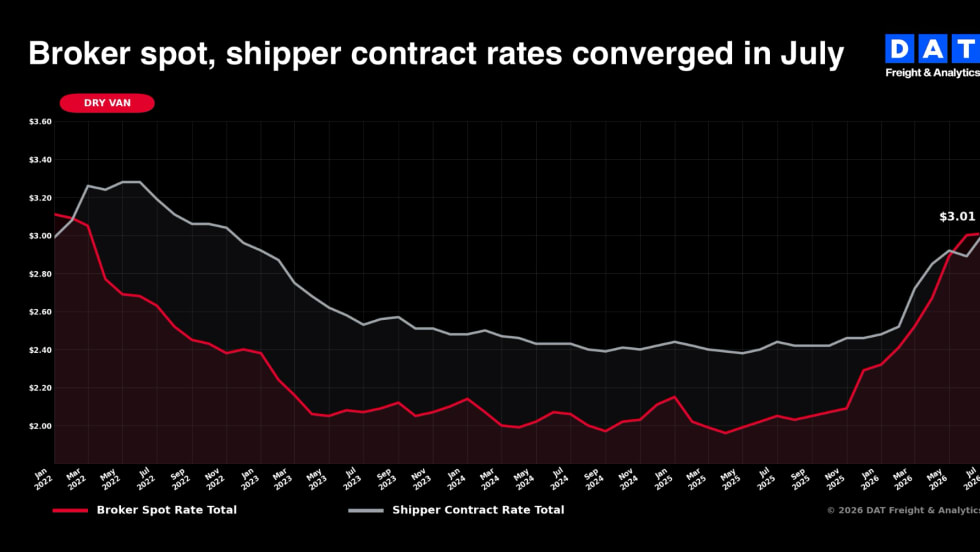
Tight Trucking Capacity Pushes Rates Higher Even as Freight Volumes Fall
“Spot rates moving ahead of contract rates have historically signaled a tightening market, but we haven’t seen a capacity-driven market quite like this one,” said DAT's Dean Croke.
Read More →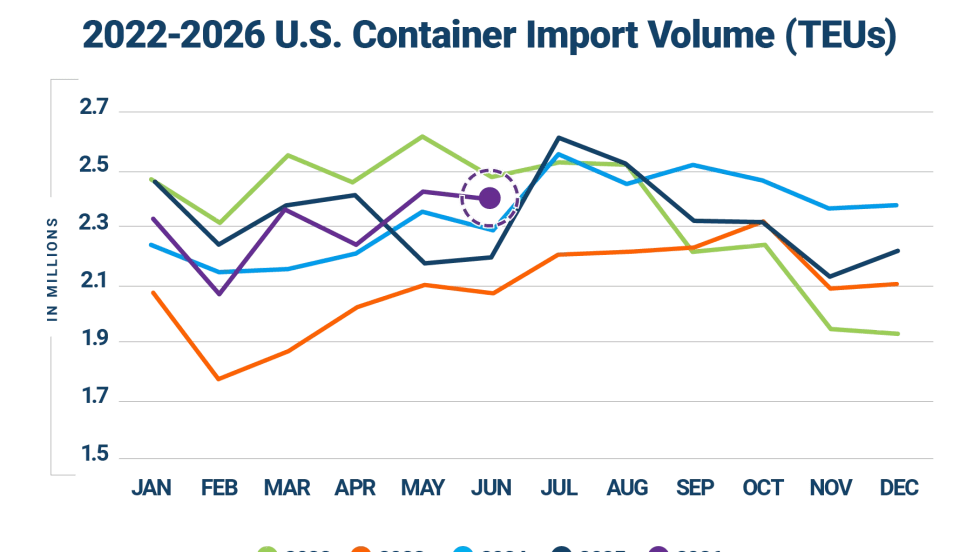
Import Cargo’s Early Peak Season is Winding Down
There was an early start to peak season this year at the nation's gateway ports, as retailers brought in merchandise ahead of tariff changes in late July and responded to other supply chain uncertainties,
Read More →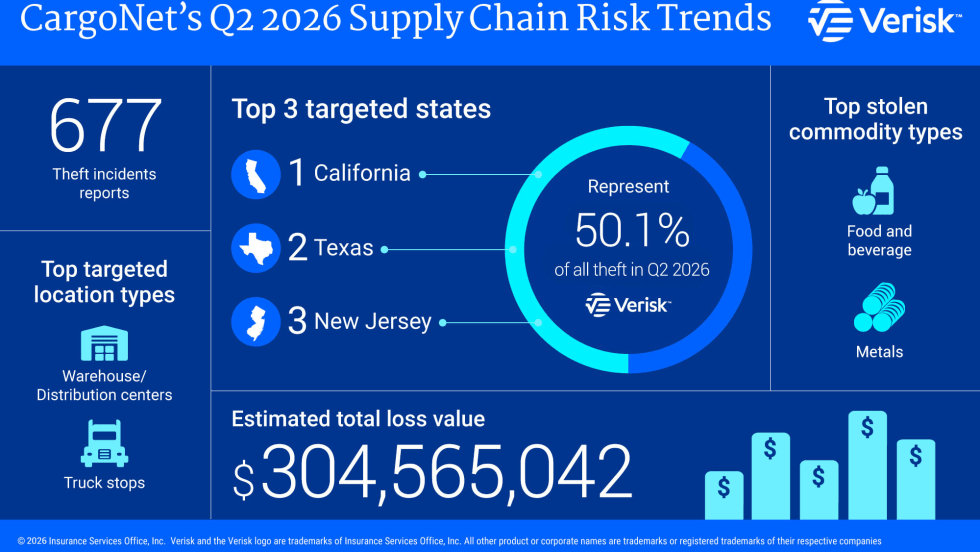
Fewer Cargo Thefts, Bigger Losses: Criminals Target Higher-Value Loads
CargoNet says organized theft rings are stealing fewer shipments but choosing more valuable freight, including metals and technology, resulting in record losses.
Read More →
How Innovative Trucking Leaders Turn Change Into an Advantage
As the pace of change accelerates in trucking, the fleets that adapt best have more than the latest technology. They have cultures that embrace improvement.
Read More →
Freight Broker Bonds Just Got Harder to Get. Here's What That Means for Your Fleet.
When it gets harder for a freight broker to prove they are financially sound, the ones who cannot clear that bar get pushed out of the market. And those are exactly the brokers who used to leave motor carriers holding the bag.
Read More →