




DOT to Audit Truck Loading and Unloading Delays
The Department of Transportation’s Inspector General has initiated an audit of commercial motor vehicle loading and unloading delays in response to provisions of the Fixing America’s Surface Transportation (FAST) Act highway bill, which became law late last year.

Photo: U.S. Department of Transportation

Photo: U.S. Department of Transportation
The Department of Transportation’s Inspector General has initiated an audit of commercial motor vehicle loading and unloading delays in response to provisions of the Fixing America’s Surface Transportation (FAST) Act highway bill, which became law late last year.
The DOT IG said that the FAST Act directs the Federal Motor Carrier Safety Administration to issue regulations on collecting data on loading and unloading delays. The law also directs DOT to report on the impact of loading and unloading delays in areas such as the economy and efficiency of the transportation system.
“Accordingly, we are initiating this audit,” said DOT IG in a statement issued June 16. “Our objectives will be to (1) assess available data on motor carrier loading and unloading delays and (2) provide information on measuring the potential effects of loading and unloading delays.”
DOT noted that while hours-of-service regulations limit the number of hours a driver can work per day to 14 hours, “delays at shipping and receiving facilities during cargo loading and unloading may result in travel delays and lost wages for drivers. Truckers who experience these delays may then drive faster to make deliveries within hours-of-service limits or operate beyond these limits and improperly log their driving time, thus increasing the risk of crashes and fatalities.”
More Fleet Management
Where Electric Trucks Can Charge Now
New depots and truck-stop chargers gave electric trucks more places to plug in in 2026. Here’s where fleets can charge today, how megawatt charging works, and which freight routes to watch in 2027.
 Discuss with peers

Truck Tonnage Slips, Carrier Outlook Improves
For-hire truck tonnage fell 1.8% in October but was higher than a year earlier, and FTR raised its outlook for carriers for at least the next three quarters.

New Independent Contractor Rule Gives Trucking More Clarity
The Labor Department is once again changing how it determines who's an independent contractor. This time, the rule includes specific examples addressing trucking safety requirements, CDLs, and lease-purchase agreements.
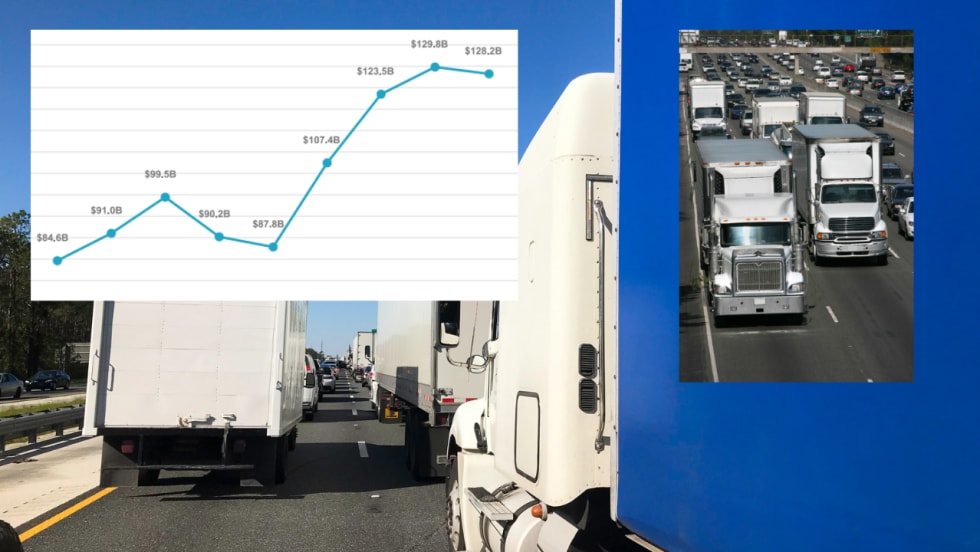
Trucking's Annual Congestion Costs Reach $128.2 Billion
That's the average cost, according to new ATRI research. And the wasted time and diesel are staggering.

How to Modernize Your TMS Without Replacing It [Podcast]
Before investing in a new transportation management system, take a closer look at what you've already got. AI, cloud technology and better integrations may offer ways to improve your trucking operations without starting over.

Could Your Truck's Connected Devices Be a Cybersecurity Risk?
ELDs, telematics systems and driver tablets help fleets operate more efficiently. But every connected device needs protection against cyberattacks.
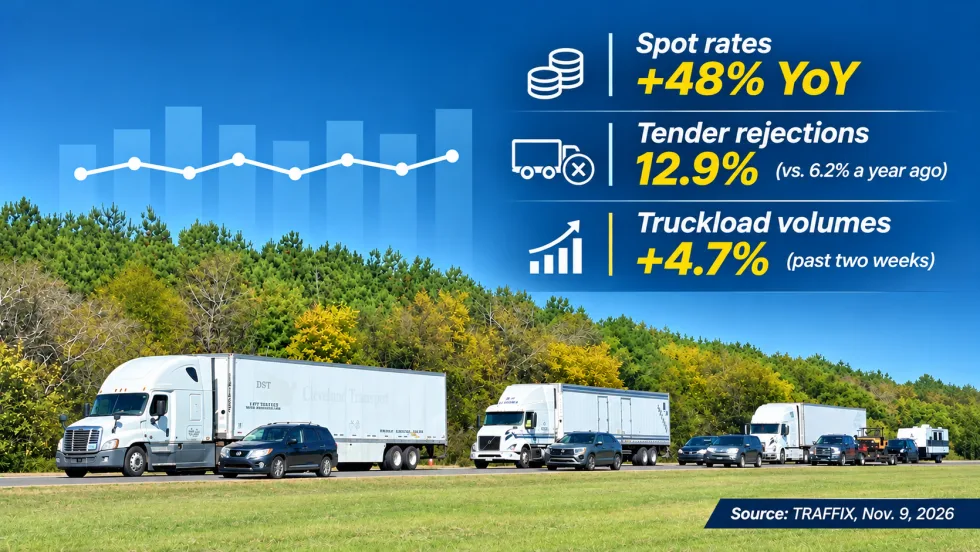
Holiday Freight Meets a Tight Trucking Market
There's no freight boom, but truckload carriers are finding themselves in a stronger position to negotiate rates. And holiday shipping demand could tighten the market further.
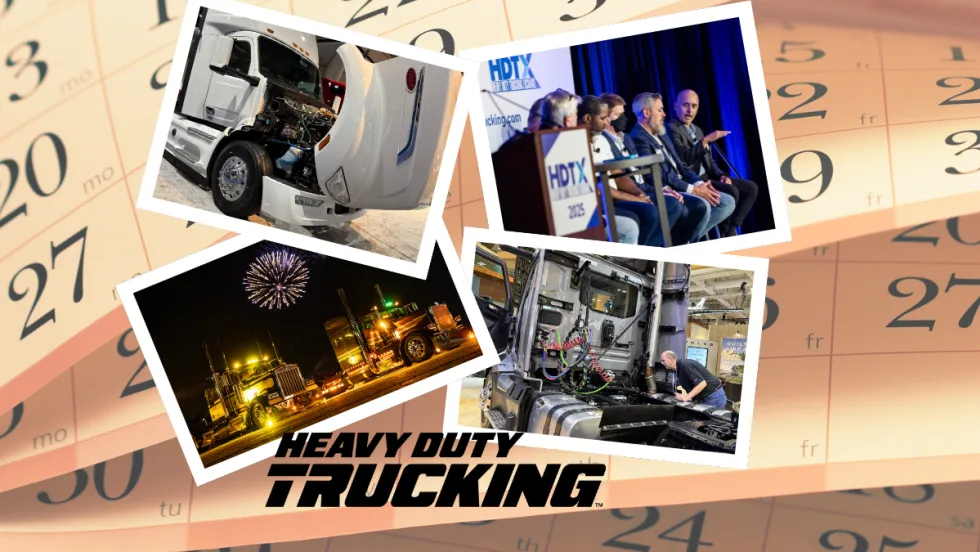
What Trucking Events are Happening in 2027?
Looking for trucking-related conventions, expos, and other events? Heavy Duty Trucking has developed this list of national and larger regional trucking shows and events.
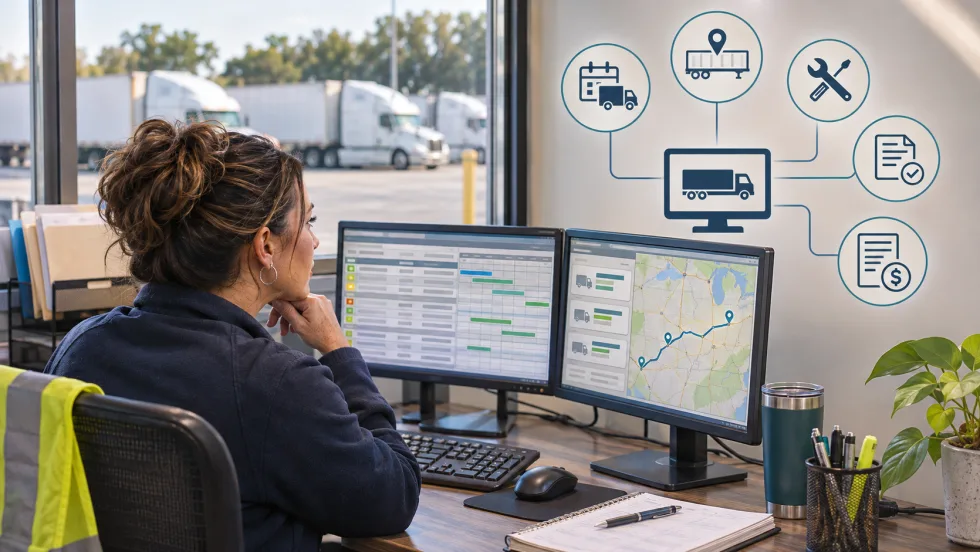
Does Your Trucking Fleet Need a New TMS?
Artificial intelligence and better integrations promise less busywork and more useful data. Can your TMS help your company solve problems? Do you need additional vendors or an upgrade? Or is it time to look for a new platform?
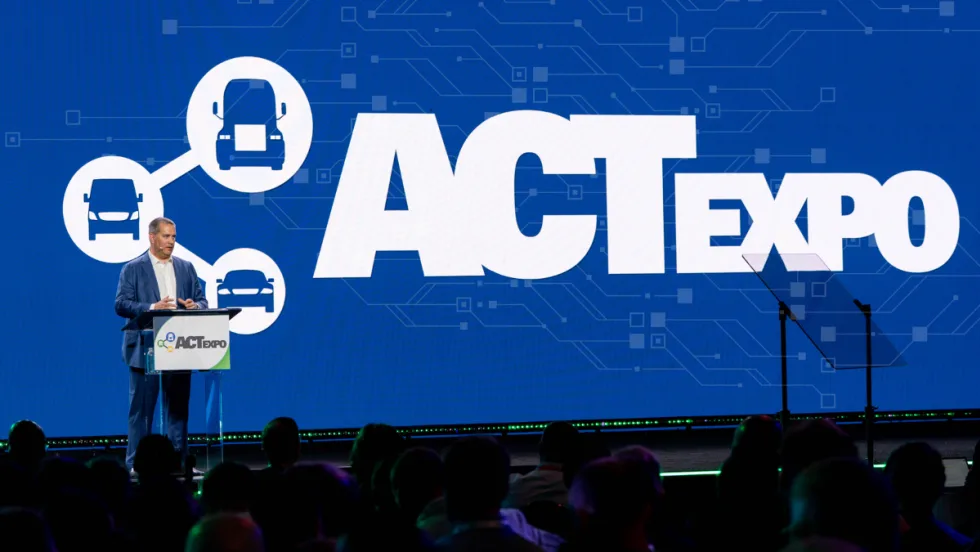
Fleet Costs Shape ACT Expo 2027 Agenda
With diesel prices high and operating expenses under pressure, ACT Expo's 2027 agenda emphasizes fuel efficiency, AI, safety and the return on fleet technology investments.