




Trucking Alliance Opposes HOS Fix in Senate Bill
A coalition of major carriers has come out firmly opposed to language put forth by the Senate Appropriations Committee to fix earlier legislative wording that muddied the future status of the 34-hour restart provision of the Hours of Service rule.


Photo: Virginia Tech Transportation Institute

A coalition of major carriers has come out firmly opposed to language put forth by the Senate Appropriations Committee to fix earlier legislative wording that muddied the future status of the 34-hour restart provision of the Hours of Service rule.
In a May 2 statement, the group also argues that Congress should leave the Hours of Service rule alone-- at least until data on driver fatigue is compiled after the upcoming electronic logging device mandate has gone into effect.
In its statement, The Trucking Alliance “urges the U.S. Senate to delete the proposed ’73 hours in a 7-day period’ provision from the bill” because HOS rules “should rely on sound science and statistical data to reduce truck driver fatigue.”
The HOS provision in the Senate’s FY2017 Transportation, Housing and Urban Development (THUD) appropriations bill (S.2844) reads: “If the 34-hour restart rule in effect on June 30, 2013, is restored, then drivers who use the 34-hour restart may not drive after being on duty more than 73 hours in a 7-day period."
The Alliance statement, which was approved by member companies JB Hunt Transport, Maverick Transportation, Dupre Logistics, and Knight Transportation, gives several reasons why the “73/7” provision should be dropped from the final THUD bill:
“Congress has mandated that interstate trucking companies install electronic logging devices by December 2017 to verify truck driver hours-of-service compliance. The statistical data produced by this technology should guide future changes in truck driver hours of service rules, rather than a political decision by Congress.”
“The Federal Motor Carrier Safety Administration should keep its rulemaking authority over all aspects of truck driver hours of service rules. Codifying any part of the rule, as this language does, would make it virtually impossible for the FMCSA to change the rule, if ELD data show adjustments to the rule are necessary to reduce truck driver fatigue.”
“The proposed ’73-hours in a 7-day period’ would create widespread confusion throughout the industry, since drivers operate under either a ’60-hour/7 days limit’ or a ’70-hour/8 days limit.’"
"Congress would unwittingly override existing rules and by adopting this language, actually create an additional 13 hours of work for drivers who are on the 60 hour/7-days schedule.”
The statement adds that the Alliance wants the Senate to avoid "codifying" that provision as doing so would “also pre-empt the Federal Motor Carrier Safety Administration from making changes if this political change proves unsafe” once enough fatigue data from ELDs becomes available.
As of now, the bill has been cleared for debate and amending on the floor of the Senate. The HOS repair must also be addressed by the House Appropriations Committee, which is expected to include it in their version of the THUD bill.
Related: Senate Bill Includes Hours-of-Service Fix; Demands Speed-Limiter Rule
More Fleet Management

Long-Awaited Canadian Border Bridge to Open in Detroit
For trucking, the bridge opening should offer immediate improvements in efficiency and reliability, with new customs facilities, expanded inspection capacity, and direct freeway-to-freeway connections.
Read More →
Aurora Rolls Out Next Generation of Driverless Trucks for Commercial Freight
Aurora's latest autonomous trucks it's rolling out with International feature lower-cost hardware designed for a million miles as the company expands commercial driverless freight operations across the U.S. Sun Belt.
Read More →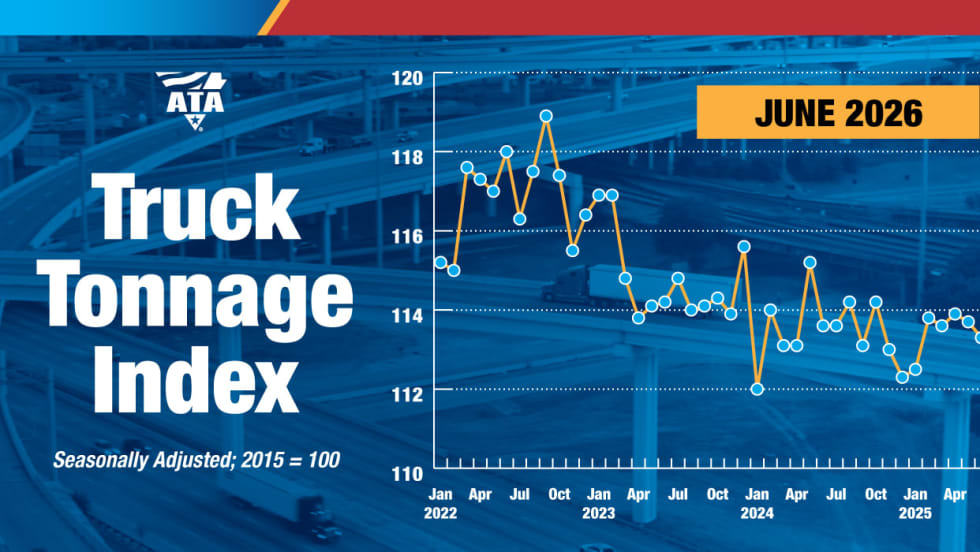
Freight Tonnage Down, Rates up, as Lower Capacity Powers Trucking Recovery
The recovery from the freight recession continues to be driven by reduction in capacity rather than by increased demand.
Read More →

Think Your Trucking Fleet Isn't Using Much AI? Think Again
Shadow AI — the use of unauthorized artificial intelligence tools at work — is becoming increasingly common, putting sensitive company data at risk. Learn how trucking fleets can protect sensitive data while embracing AI.
Read More →
ArcBest Consolidates Brands, Cuts Workforce
The company will bring three business units under the ArcBest brand, eliminate about 2% of positions, and expects the changes to generate $40 million in annual savings.
Read More →
Trucking Fleets Faced Record Operating Costs During Third Year of Freight Recession
ATRI's annual operational cost report shows carriers trimmed fleets, delayed equipment purchases, and ran older trucks as expenses continued to outpace freight rates.
Read More →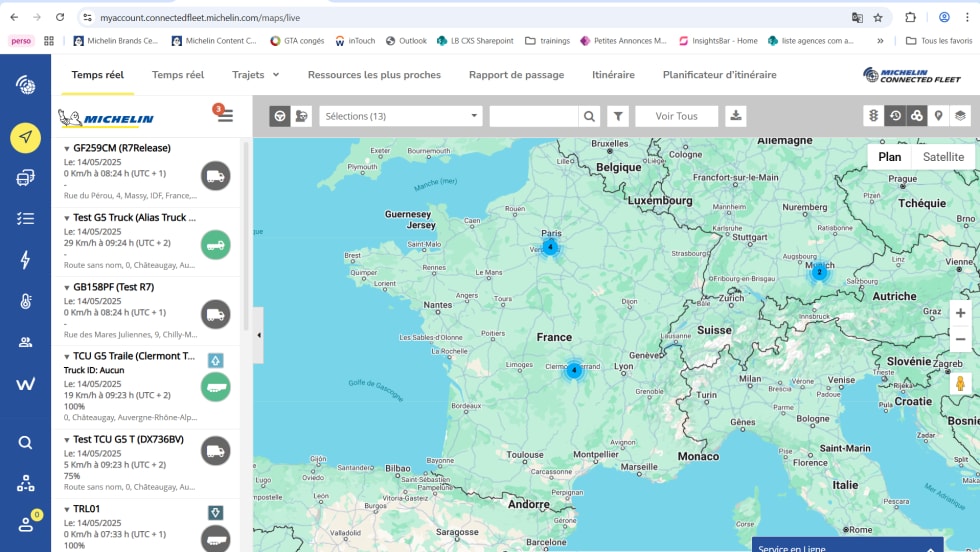
Michelin Adds AI Assistant to MyConnectedFleet Platform
Michelin’s new generative AI tool delivers instant fleet insights, helping managers analyze fuel use, tire maintenance, vehicle status, and operational performance without manually creating reports.
Read More →
LytxOne Platform Now Features AI, Compliance, and Asset Tracking Tools
New enhancements add AI-powered insights, asset tracking, compliance automation, and configurable privacy controls to Lytx's all-in-one fleet management platform.
Read More →
July Imports Poised to Set Container Record
The National Retail Federation projects July container imports will surpass the pandemic-era record as shippers frontload freight ahead of expected August tariff increases.
Read More →
HDT Announces 2026 Truck Fleet Innovator Finalists
From AI and fleet electrification to safety, operations, and leadership, these HDT Truck Fleet Innovator finalists are changing how trucking gets done.
Read More →