




Senate Keeps Hours-of-Service Fix in Funding Bill
The Senate has passed a transportation funding bill that includes a fix of earlier legislative language that muddied what might happen to the Hour of Service rule’s restart provisions if a mandated study cannot show that the restart changes benefitted drivers.

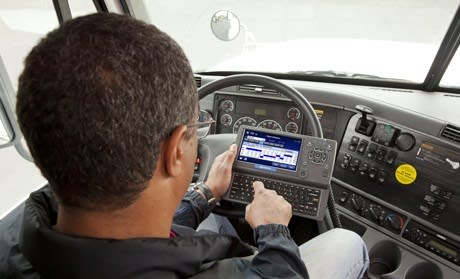

The Senate has passed a transportation funding bill that includes a fix of earlier legislative language that muddied what might happen to the Hour of Service rule’s restart provisions if a mandated study cannot show that the restart changes benefitted drivers.
The measure also includes a firm deadline for issuing a federal speed-limiter rule for Class 7-8 trucks.
The Senate’s THUD bill was approved by a wide bipartisan margin of 89-8 on May 19 as part of a much larger legislative package.
Now, the HOS ball is in the House’s court. The House Appropriations Committee is expected to mark up its THUD version next week. At that point, language to fix the HOS glitch put forward earlier this week by a subcommittee will be on the table.
The Senate bill would clarify how the results of a Department of Transportation study--- mandate by an earlier bill— will eventually impact HOS restart provisions. The measure includes language that aims to prevent drivers from abusing the restart rule by capping the amount of time they can spend behind the wheel or on duty at 73 hours per week.
By contrast, the HOS measure the House committee forwarded would simply roll back the HOS clock. It calls for removing altogether the 2011 restart provisions, which became effective on July 1, 2013 but were suspended by Congress in late 2014.
Since that rule suspension, trucking has been operating under the pre-2011 HOS rule that permits unlimited use of the restart provision and doesn’t require drivers to take two periods off between 1 a.m. and 5 a.m. during their 34-hour restart.
As for speed-limiters, the Senate measure directs the Department of Transportation to issue a final rule requiring speed-limiting devices on Class 7 and 8 trucks “not later than 6 months” after the THUD bill is enacted.
The $56.5 billion bill includes $16.9 billion in discretionary appropriations for the Department of Transportation and directs that $44 billion from the Highway Trust Fund be spent on the Federal-aid Highways Program, consistent with provisions of the FAST Act highway bill passed late last year.
More Fleet Management
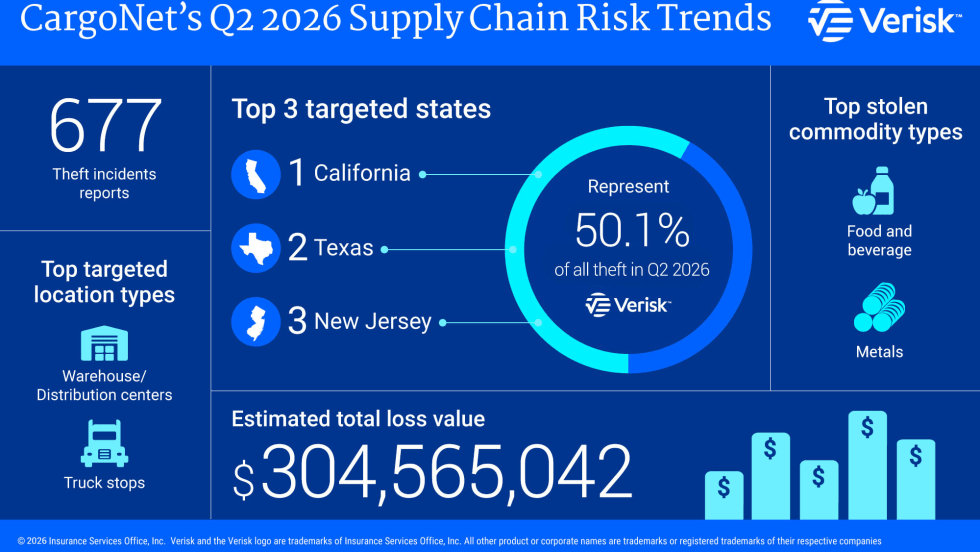
Fewer Cargo Thefts, Bigger Losses: Criminals Target Higher-Value Loads
CargoNet says organized theft rings are stealing fewer shipments but choosing more valuable freight, including metals and technology, resulting in record losses.
Read More →
How Innovative Trucking Leaders Turn Change Into an Advantage
As the pace of change accelerates in trucking, the fleets that adapt best have more than the latest technology. They have cultures that embrace improvement.
Read More →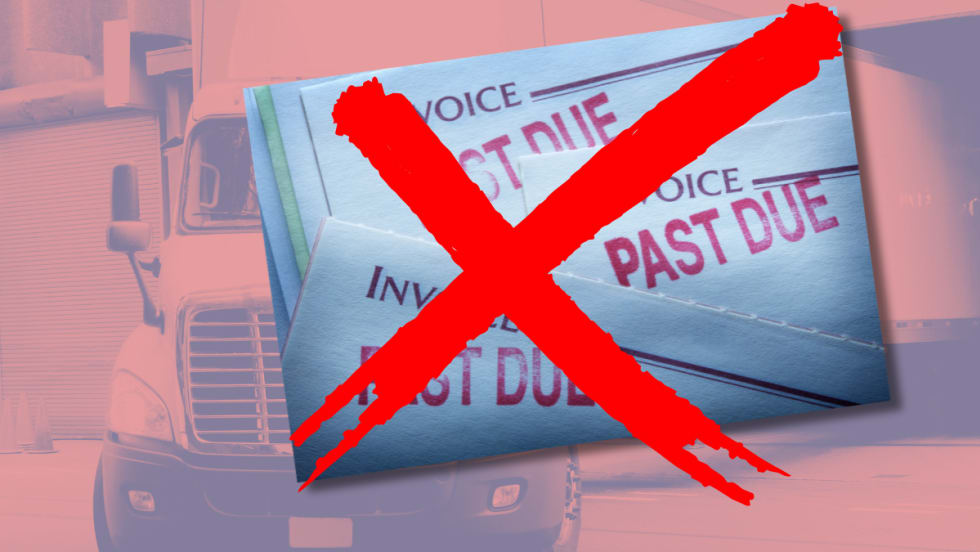
Freight Broker Bonds Just Got Harder to Get. Here's What That Means for Your Fleet.
When it gets harder for a freight broker to prove they are financially sound, the ones who cannot clear that bar get pushed out of the market. And those are exactly the brokers who used to leave motor carriers holding the bag.
Read More →
Long-Awaited Canadian Border Bridge to Open in Detroit
For trucking, the bridge opening should offer immediate improvements in efficiency and reliability, with new customs facilities, expanded inspection capacity, and direct freeway-to-freeway connections.
Read More →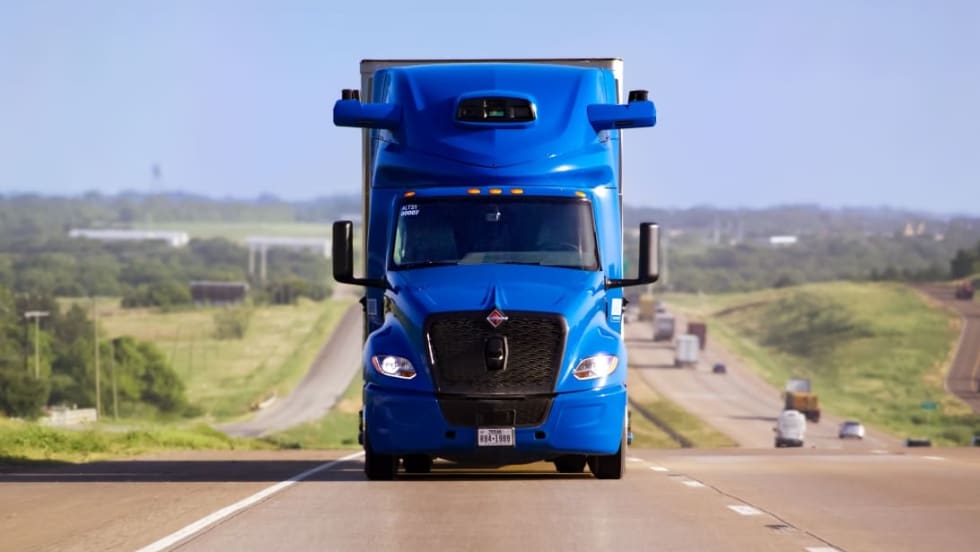
Aurora Rolls Out Next Generation of Driverless Trucks for Commercial Freight
Aurora's latest autonomous trucks it's rolling out with International feature lower-cost hardware designed for a million miles as the company expands commercial driverless freight operations across the U.S. Sun Belt.
Read More →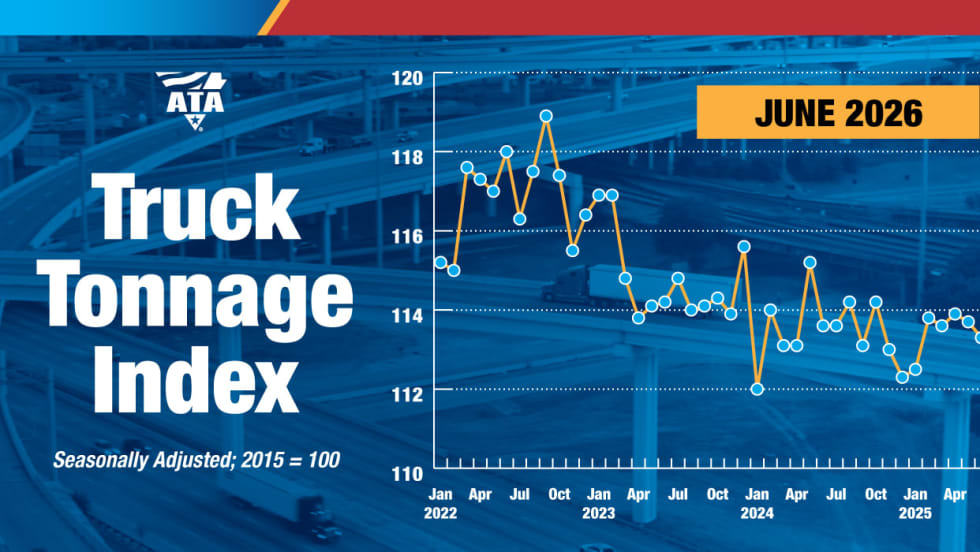
Freight Tonnage Down, Rates up, as Lower Capacity Powers Trucking Recovery
The recovery from the freight recession continues to be driven by reduction in capacity rather than by increased demand.
Read More →
Think Your Trucking Fleet Isn't Using Much AI? Think Again
Shadow AI — the use of unauthorized artificial intelligence tools at work — is becoming increasingly common, putting sensitive company data at risk. Learn how trucking fleets can protect sensitive data while embracing AI.
Read More →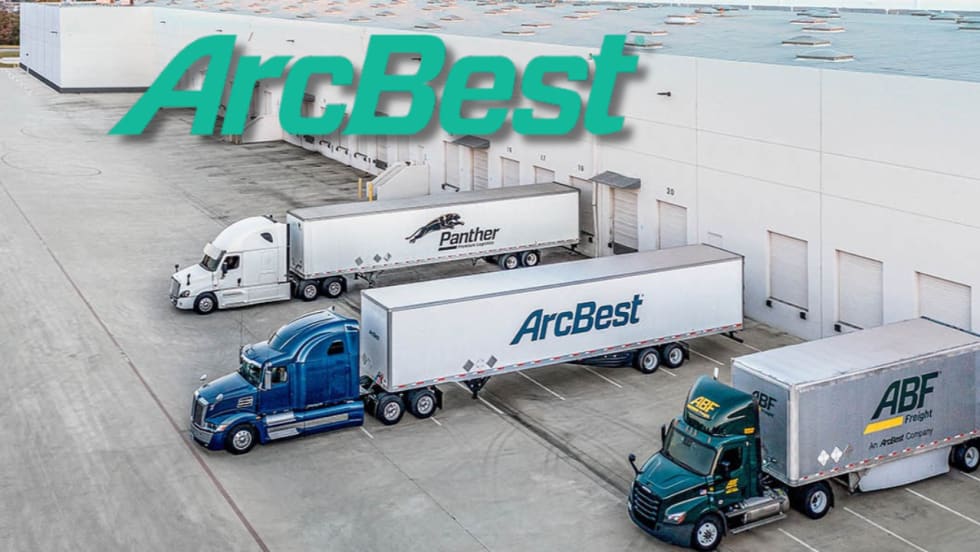
ArcBest Consolidates Brands, Cuts Workforce
The company will bring three business units under the ArcBest brand, eliminate about 2% of positions, and expects the changes to generate $40 million in annual savings.
Read More →
Trucking Fleets Faced Record Operating Costs During Third Year of Freight Recession
ATRI's annual operational cost report shows carriers trimmed fleets, delayed equipment purchases, and ran older trucks as expenses continued to outpace freight rates.
Read More →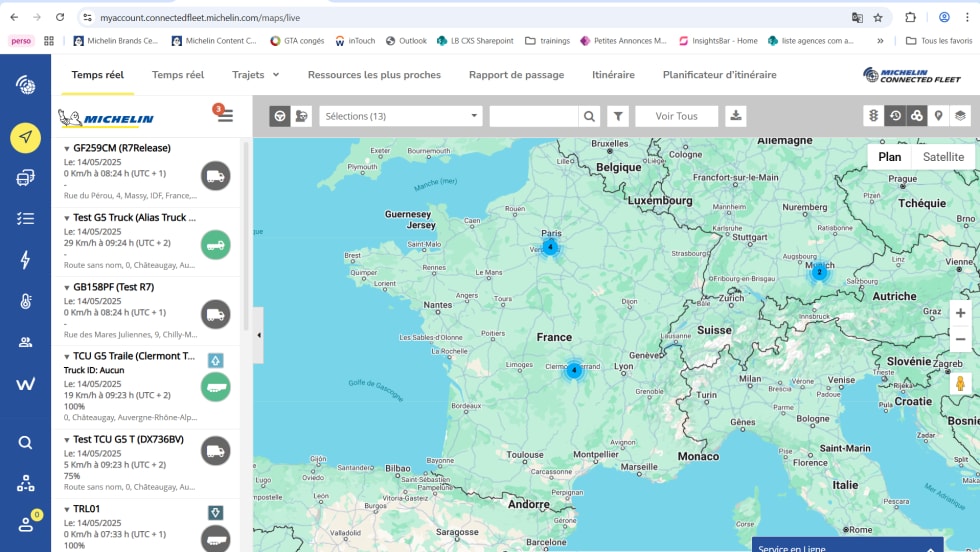
Michelin Adds AI Assistant to MyConnectedFleet Platform
Michelin’s new generative AI tool delivers instant fleet insights, helping managers analyze fuel use, tire maintenance, vehicle status, and operational performance without manually creating reports.
Read More →