




Senate Bill Includes Hours-of-Service Fix; Demands Speed-Limiter Rule
The transportation spending bill advanced by the Senate Appropriations Committee fixes wording in earlier legislation that muddied what the status of the 34-hour restart would be if a study by the Department of Transportation cannot show that controversial restart changes benefit drivers.


U.S. Capitol Photo: David Cullen

The transportation spending bill advanced by the Senate Appropriations Committee on April 21 fixes wording in earlier legislation that muddied what the status of the 34-hour restart would be if a study by the Department of Transportation cannot show that the restart changes benefit drivers.
The HOS provision in the FY2017 Transportation, Housing and Urban Development (THUD) appropriations bill also aims to prevent drivers from abusing the restart rule by capping the amount of time they can spend behind the wheel or on duty at 73 hours per week.
The bill’s language puts it this way: “If the 34-hour restart rule in effect on June 30, 2013, is restored, then drivers who use the 34-hour restart may not drive after being on duty more than 73 hours in a 7-day period."
The American Trucking Associations told HDT it appreciated that the committee included a provision in the THUD bill that will enable truck drivers to “continue utilizing the hours-of-service restart provision if a congressionally mandated study is unable to demonstrate the July 2013 restart restrictions improve driver safety and health.”
As for the hours-of-service cap, ATA stated that it knows that “while professional truck drivers do not work wildly inflated weekly work hours that anti-truck groups claim, we understand the Subcommittee’s sensitivity to claims [that] a handful of drivers might abuse the restart rule to work long hours in a week. We look forward to working with members in both chambers and on both sides of the aisle to ensure that professional truck drivers continue to have the opportunity to get extended off-duty rest periods that reset their work week.”
ATA added that the Senate language appears to “retain the ability of drivers to reset their work weeks by taking an extended 34-hour off-duty period, with the recognition they are still limited to 73 hours of work (driving or other duties) in seven calendar days.”
The $56.5 billion bill, which passed 30-0 with strong bipartisan support, also directs the Transportation Department to issue its proposed rule on speed limiters for Class 7 and 8 trucks by April 28, 2016.
The bill includes $16.9 billion in discretionary appropriations for the Department of Transportation, which the Senate committee said was $1.7 billion below the FY2016 enacted level and $2.5 billion below the President’s request. “Within this amount, funding is prioritized on programs to make transportation systems safe, efficient, and reliable. The bill ignores the budget request to shift certain programs from discretionary to mandatory spending,” stated the committee.
The legislation also directs that $44 billion from the Highway Trust Fund be spent on the Federal-aid Highways Program, consistent with the FAST Act highway bill. The committee said the THUD bill “continues to allow state departments of transportation to repurpose old, unused earmarks for more important infrastructure projects.”
More Fleet Management

Long-Awaited Canadian Border Bridge to Open in Detroit
For trucking, the bridge opening should offer immediate improvements in efficiency and reliability, with new customs facilities, expanded inspection capacity, and direct freeway-to-freeway connections.
Read More →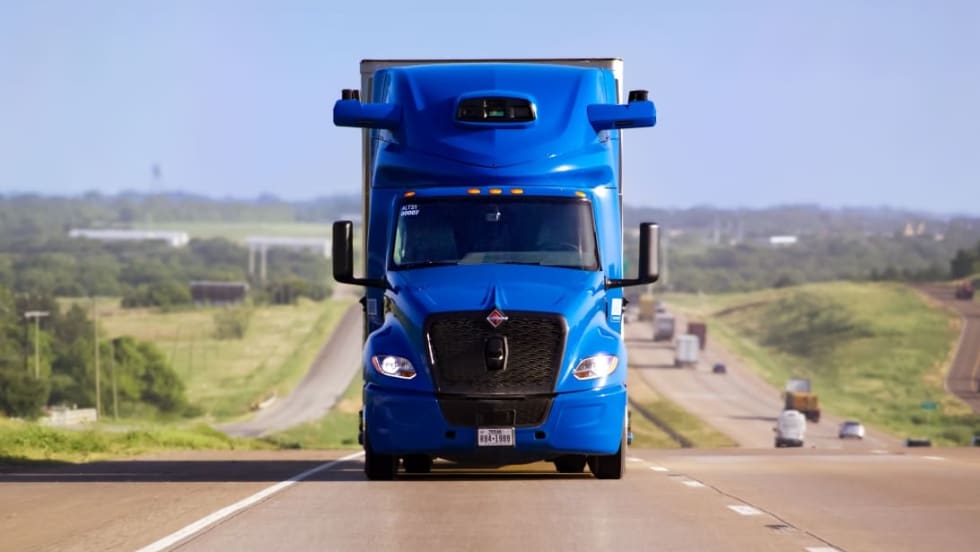
Aurora Rolls Out Next Generation of Driverless Trucks for Commercial Freight
Aurora's latest autonomous trucks it's rolling out with International feature lower-cost hardware designed for a million miles as the company expands commercial driverless freight operations across the U.S. Sun Belt.
Read More →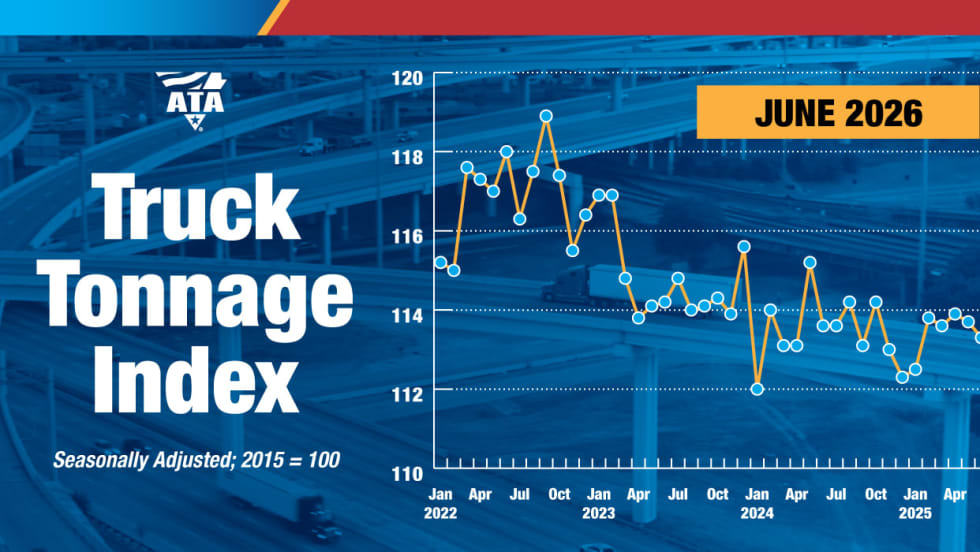
Freight Tonnage Down, Rates up, as Lower Capacity Powers Trucking Recovery
The recovery from the freight recession continues to be driven by reduction in capacity rather than by increased demand.
Read More →

Think Your Trucking Fleet Isn't Using Much AI? Think Again
Shadow AI — the use of unauthorized artificial intelligence tools at work — is becoming increasingly common, putting sensitive company data at risk. Learn how trucking fleets can protect sensitive data while embracing AI.
Read More →
ArcBest Consolidates Brands, Cuts Workforce
The company will bring three business units under the ArcBest brand, eliminate about 2% of positions, and expects the changes to generate $40 million in annual savings.
Read More →
Trucking Fleets Faced Record Operating Costs During Third Year of Freight Recession
ATRI's annual operational cost report shows carriers trimmed fleets, delayed equipment purchases, and ran older trucks as expenses continued to outpace freight rates.
Read More →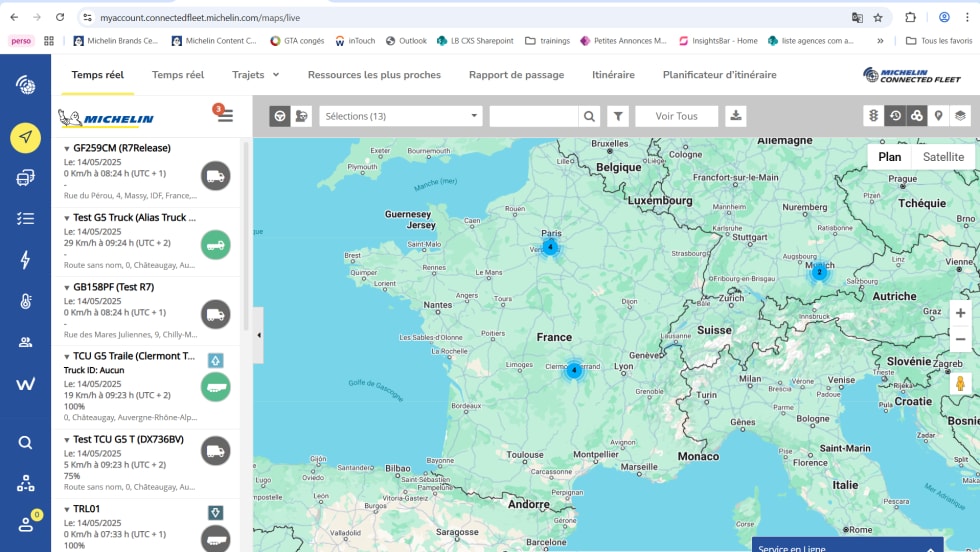
Michelin Adds AI Assistant to MyConnectedFleet Platform
Michelin’s new generative AI tool delivers instant fleet insights, helping managers analyze fuel use, tire maintenance, vehicle status, and operational performance without manually creating reports.
Read More →
LytxOne Platform Now Features AI, Compliance, and Asset Tracking Tools
New enhancements add AI-powered insights, asset tracking, compliance automation, and configurable privacy controls to Lytx's all-in-one fleet management platform.
Read More →
July Imports Poised to Set Container Record
The National Retail Federation projects July container imports will surpass the pandemic-era record as shippers frontload freight ahead of expected August tariff increases.
Read More →
HDT Announces 2026 Truck Fleet Innovator Finalists
From AI and fleet electrification to safety, operations, and leadership, these HDT Truck Fleet Innovator finalists are changing how trucking gets done.
Read More →