




East Opens High-Tech Trailer Facility
East Manufacturing has opened a new, highly automated manufacturing facility at the company’s headquarters in Randolph, Ohio, that will accelerate trailer production.
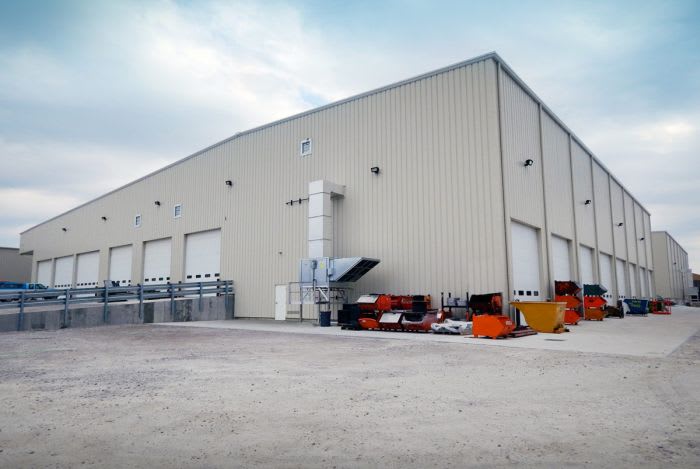
East's 73,000-square-foot facility. Photo: East Manufacturing
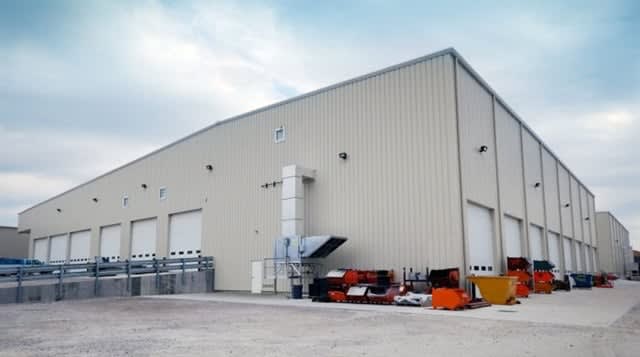
East's 73,000-square-foot facility.Photo: East Manufacturing
East Manufacturing has opened a new, highly automated manufacturing facility at the company’s headquarters in Randolph, Ohio as part of its growth strategy.
The 73,000-square-foot building, the largest single building in the company’s history, will accelerate trailer production capability for its customers. The facility will have the capacity to produce 2,000 trailers annually and will require 75 more employees per shift when fully operational, according to East.
“After 18 months of dedicated work by many individuals, we are excited to open the doors of this new production facility in Randolph,” said Dave de Poincy, president of East. “With record levels of production, it will enable us to maximize our efficiency and reduce our backlog.”
The facility was designed for production efficiency and quality, streamlining the manufacturing process and incorporating technologies such as robotic equipment, automated production processes and a material handling system. The robotic equipment will serve as part placers, while robotic welders in beam and side rail construction areas will ensure output and consistent results for weld quality.
Each trailer will be secured to a rotator and move through a series of workstations, allowing it to be rotated into any position. This method will give better access to difficult-to-weld areas and be more ergonomically correct for workers, according to East.
In addition to manufacturing, the new facility will also house parts inventory, allowing more accessibility to frequently needed trailer parts. It will also provide 10,000 square feet of space for material storage of oversized flat steel and aluminum material that is typically housed outside where it is exposed to the elements.
The facility also includes an eight-bay mounting center, with two bays dedicated to truck body installation and six bays for trailer body mounting. The opening of the new mounting bays allows East to reduce the congestion within other East dump trailer departments, increasing efficiency and accommodating more trailer output.
More Equipment
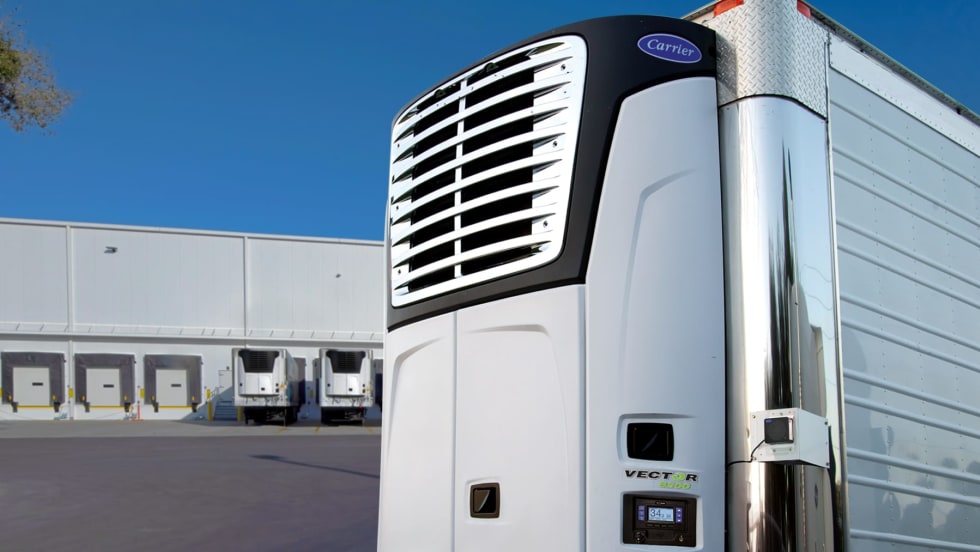
Carrier Transicold Adds All-Electric TRU for Stationary Cold Storage
Carrier Transicold’s new Vector 8200 all-electric transport refrigeration unit gives fleets a diesel-free option for temporary refrigerated and frozen trailer storage.
Read More →
A Closer Look at Kenworth’s Electric T880E Vocational Truck [Video]
Learn more about Kenworth's T880E battery-electric vocational truck at the Paccar Technical Center, including its range, applications, upfitting considerations, and PTO options, in this HDT Spotlight video.
Read More →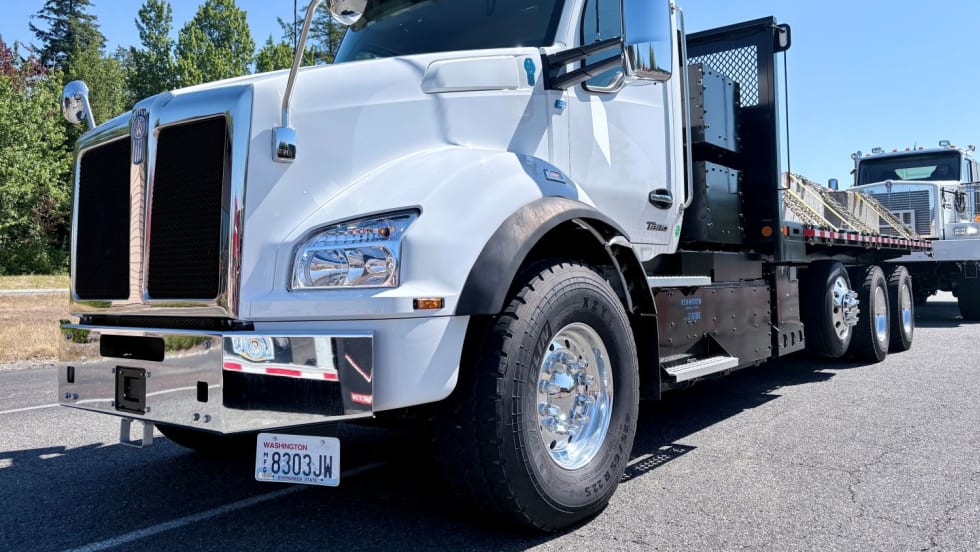
Kenworth T880E Brings EV Power to Vocational Trucks
A closer look at the Kenworth T880E’s range, charging, powertrain and upfit options — and where fleets are showing the most interest.
Read More →
What the U.S.-Canada Trade War Means for Trucking
Escalating U.S.-Canada tariffs could disrupt cross-border freight, reduce truck volumes, raise costs, and create new uncertainty for carriers on both sides of the border.
Read More →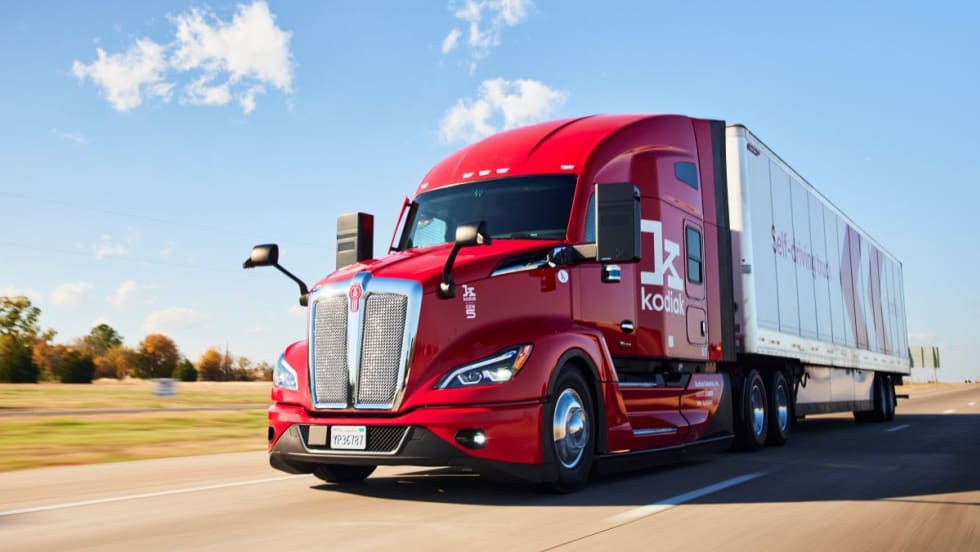
Autonomous Truck Testing Moves Ahead in California as Teamsters Challenge Rules
California has begun permitting heavy-duty autonomous truck testing, with Aurora and Kodiak among the first to receive approval, as the Teamsters sue the DMV over the new regulations.
Read More →
Behind the Wheel of the New Mack Anthem [Video]
HDT takes the new Mack Anthem around Mack’s Pennsylvania test track to see how its driver-focused design, technology, visibility and handling perform from behind the wheel.
Read More →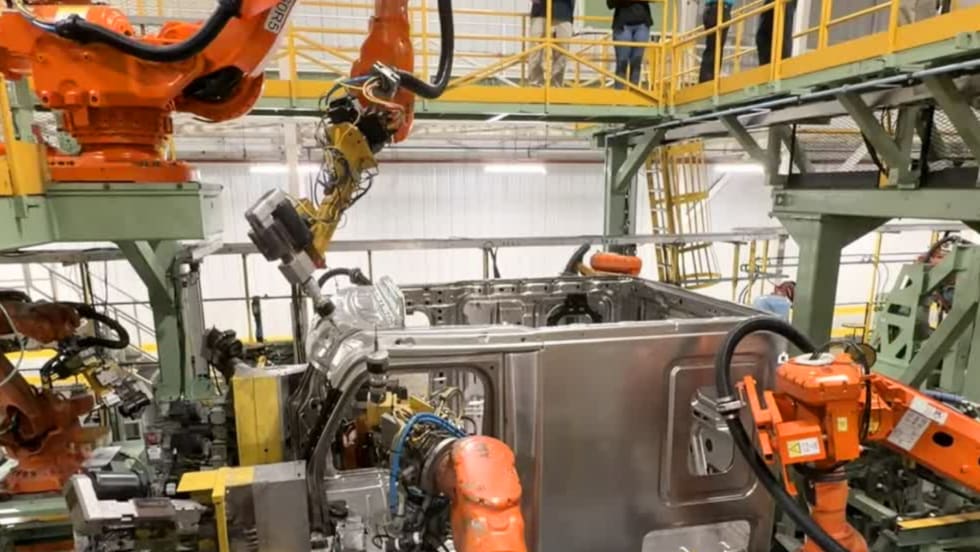
DTNA Plans New U.S. Truck Plant as Manufacturing Footprint Shifts
Daimler Truck North America is evaluating sites for a new assembly plant expected to open in 2029 while winding down operations at its longtime Portland manufacturing facility.
Read More →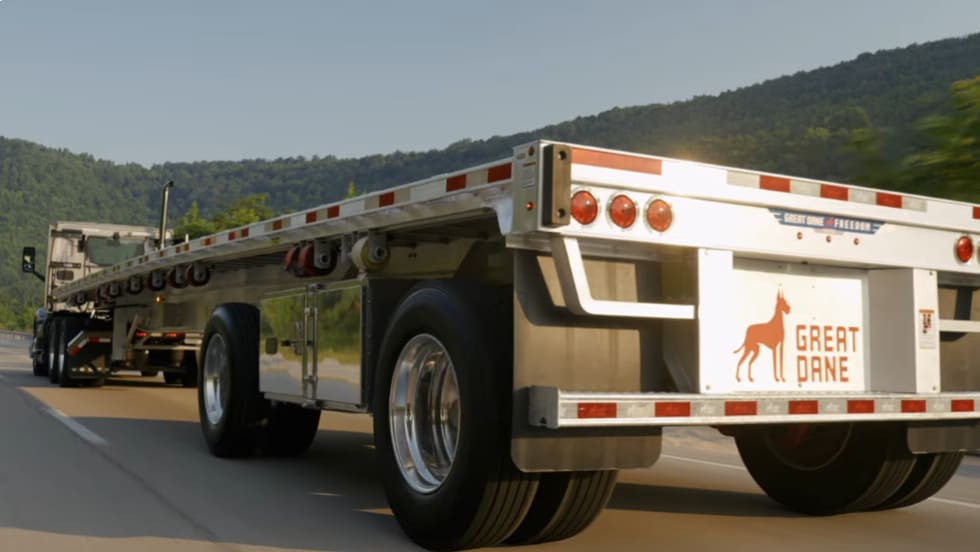
Great Dane Flatbed Trailer Offers Light Weight and Strength
Freedom Ultra is designed for a wide range of open-deck applications, including building materials, lumber, machinery, steel products, industrial freight, and coil hauling.
Read More →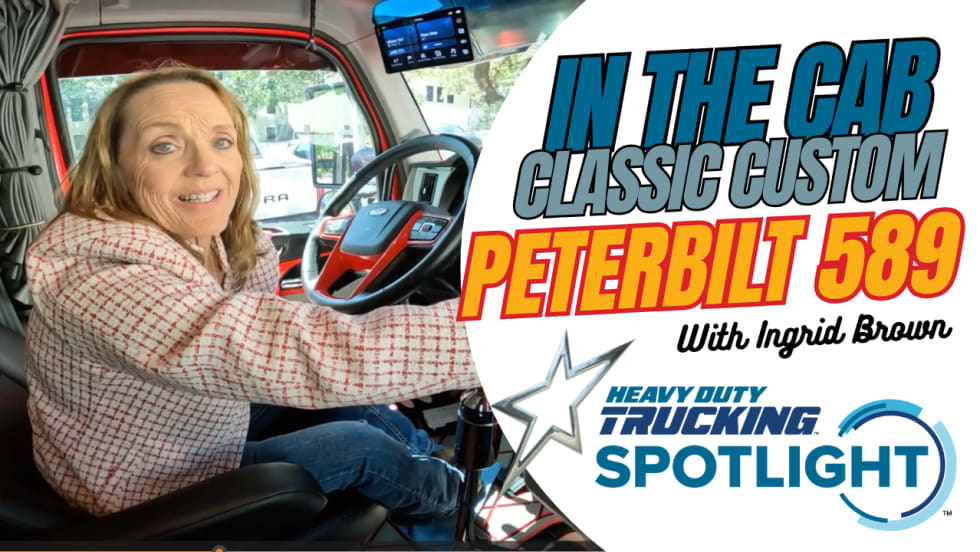
What It's Like Inside this Custom 2025 Peterbilt 589?
Take a driver's-eye tour of this customized 2025 Peterbilt 589 in this video, as longtime driver Ingrid Brown explains its features, compares it to previous models, and shares plenty of personality along the way.
Read More →
Drivers Put Western Star Trucks to the Test at Star Nation Experience
Watch to get an inside look at the Western Star trucks, technology, and community behind the Star Nation Experience 2026!
Read More →