





Related: Trucking Inside Mexico
FMCSA Accepts Mexican Truck-Inspection Standard
Effective March 16, the Federal Motor Carrier Safety Administration is accepting the Mexican government standard for annual commercial vehicle inspections of Mexico-domiciled motor carriers that operate in the United States.
March 16, 2016

Photo: Secretaría de Comunicaciones y Transportes de México
2 min to read
Effective March 16, the Federal Motor Carrier Safety Administration is accepting the Mexican government standard for annual commercial vehicle inspections of Mexico-domiciled motor carriers that operate in the United States.
In a notice posted in the Federal Register, FMCSA said it has determined that the specific Norma Oficial Mexicana (NOM), which translates to “Official Mexican Standard," for the periodic inspection of commercial motor vehicles-- NOM-068-SCT-2-2014 (NOM 68)-- should be added to the list of programs that are “comparable to, or as effective as, the Federal PI requirements contained in the Federal Motor Carrier Safety Regulations.”
The upshot of accepting NOM 68 means that Mexico-domiciled motor carriers operating in the U.S. “must ensure that their CMVs are inspected annually as required by the Secretaría de Comunicaciones y Transportes (SCT)” of Mexico.
Mexican carriers must retain a copy of the NOM 68 inspection report and a sticker/decal must be affixed to the inspected vehicle to satisfy U.S. annual inspection requirements.
The agency noted that these Mexican carriers “will no longer have the option of relying on their employees to conduct inspections of the CMVs the carrier controls, using commercial garages for such inspections, or passing a roadside inspection based on criteria published by the Commercial Motor Vehicle Safety Alliance” to comply.
“FMCSA has reviewed Mexico's pass-fail criteria for the specific vehicle components and systems examined as during the mandatory vehicle inspection and determined that Mexico's inspection program is comparable to, or as effective as, FMCSA's requirements,” the agency said.
While the agency “acknowledged” that Mexico's compliance date for certain vehicle safety systems and components, such as antilock braking systems, differs from U.S. requirements, it stated that it “does not believe the differences in the compliance dates for such systems is a sufficient basis for considering Mexico's annual inspection standards to be substantively different.”
FMCSA also pointed out that Mexico's mandatory annual inspection requirements cover most of the types of CMVs subject to FMCSA's periodic inspection regulations, including “property-carrying vehicles with a gross weight, gross vehicle weight rating, or gross combination weight rating of 10,001 pounds or more.
“Therefore,” the agency added, “both the inspection criteria for the vehicle components and safety systems, and the types of vehicles required to be inspected are comparable to FMCSA's requirements.”
More Safety & Compliance

Hours of Service Pilot Programs: FMCSA Readies for 2027 Rollout
Two pilot programs could eventually reshape hours-of-service rules, giving truck drivers options to pause their 14-hour clock or use longer split sleeper rest periods.
Read More →
New Guide Offers Pet Safety Tips for Truck Drivers
Hundreds of thousands of pets travel in truck cabs. A new safety guide from Volvo Trucks and the Center for Pet Safety offers practical advice for truck drivers who bring dogs and cats along for the ride.
Read More →
Medical Cards, English Proficiency Reshape Roadcheck Violations
Medical-card violations jumped to the top of the driver out-of-service list during CVSA’s 2026 International Roadcheck, while English-language proficiency violations appeared among the leading violations for the first time.
Read More →
How Lance Evans Turns Enforcement Experience Into Better Fleet Safety
HDT Truck Fleet Innovator Lance Evans brings lessons from law enforcement to K&B Transportation’s approach to safety technology, data, driver coaching, and compliance.
Read More →
New FMCSA Chief Safety Officer Has Trucking Industry and Law Enforcement Experience
Steve Dowling joins FMCSA after serving as senior director of safety at Covenant Logistics and in leadership roles in commercial motor vehicle industry organizations.
Read More →
Driver Trust Can Make or Break the Success of Fleet Safety Technology
New Teletrac Navman research suggests that onboarding, transparency about driver data, and positive feedback can play a significant role in how commercial drivers respond to safety and coaching technology.
Read More →
FMCSA: Stop Using These 15 Electronic Logging Devices
Fleets and drivers must replace the revoked ELDs with ones on the FMCSA's registered device list of electronic logging devices.
Read More →
How HDT’s 2026 Truck Fleet Innovators Are Rethinking Fleet Operations
Meet five trucking leaders who are challenging assumptions, solving operational problems, and putting innovative ideas to work.
Read More →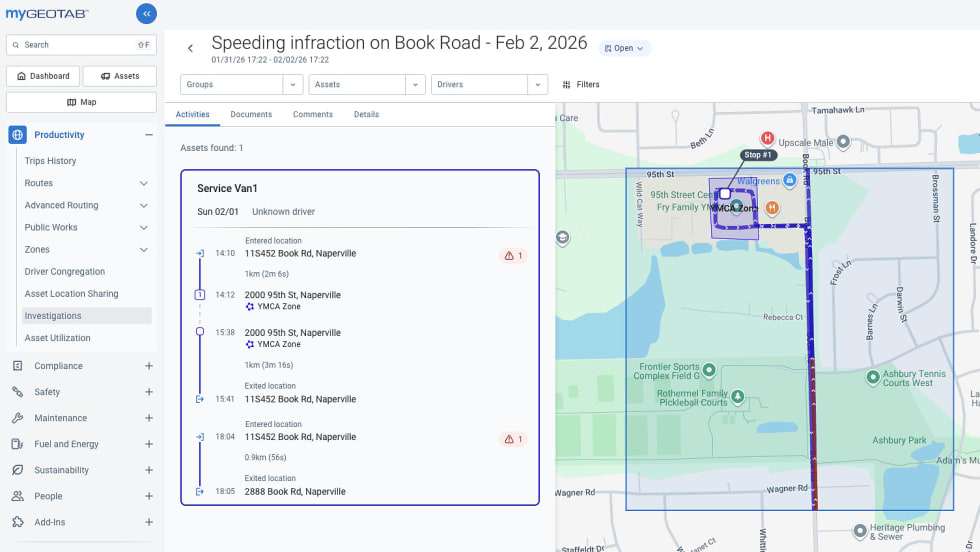
Geotab Launches Tool to Speed Fleet Incident Investigations
Geotab Investigations brings telematics data, video, photos, reports and other evidence into one case file to help fleets determine what happened and resolve incidents faster.
Read More →
FMCSA Moves to Codify English Language Requirements for Commercial Drivers
By changing regulations on English-language proficiency requirements for commercial drivers, rather than relying on a guidance memo, the FMCSA said future administrations won't be able to walk back the Trump administration's stricter enforcement with just a memo.
Read More →