




Economic Watch: Manufacturing Remains Weak, Construction Booming
Economic activity in the nation’s manufacturing sector showed only slightly better signs of life in February and remains tepid, but construction spending in January hit it highest level since 2007, according to newly released reports.



Economic activity in the nation’s manufacturing sector showed only slightly better signs of life in February and remains tepid, but construction spending in January hit it highest level since 2007, according to newly released reports.
The monthly survey of the nation’s supply executives by the Institute for Supply Management moved its manufacturing Purchasing Managers Index higher to 49.5% for February, up 1.3 percentage points from the January reading of 48.2%.
“Comments from the panel indicate a more positive view of demand than in January, as 12 of our 18 industries report an increase in new orders, while four industries report a decrease in new orders,” said by Bradley J. Holcomb, chair of the ISM Manufacturing Business Survey Committee.
Despite the improvement, economic activity in the manufacturing sector contracted in February for the fifth consecutive month, according to ISM, which says a reading below 50 indicates negative growth.
The New Orders Index registered 51.5%, the same reading as in January, while the Production Index registered 52.8%, 2.6 percentage points higher than the January reading of 50.2%. The Employment Index registered 48.5%, 2.6 percentage points above the January reading.
Overall, of the 18 manufacturing industries in the survey, nine reported growth in February.
“While still negative, production activity appears to be markedly less negative at the moment, hardly a robust assessment but better than a sharp stick in the eye,” said Lindsey Piegza, chief economist at Stifel Fixed Income. “Still facing the perfect storm from a heightened U.S. dollar, ample inventory overhang and tepid global demand, producers are still cutting back production, albeit at a slower pace than when the Federal Reserve opted to raise rates for the first time in December.”
A similar report from financial information services provider Markit shows slightly better conditions with manufacturing in February growing, while the rate of expansion fell from the month before. As a result, , its U.S. Manufacturing Purchasing Managers’ Index declined to 51.3, down from 52.4 in January.
The headline index was up fractionally from the earlier, preliminary estimate in February of 51, but this was still the second-lowest reading since October 2012. Also, the latest reading pointed to one of the weakest improvements in overall business conditions since the U.S. economic recovery began in late 2009.
Like the ISM index, a reading above 50 indicates expansion while one below it shows contraction.
February data indicated that manufacturing output growth slowed for the third time in the past four months. The latest increase in production was only modest and the weakest recorded since October 2013. Reports from survey respondents suggested that softer new business growth and uncertainty about the economic outlook had acted as a brake on production at their plants.
Volumes of new work increased moderately in February, with the pace of expansion easing to one of the slowest recorded over the past three-and-a-half years, according to the report. Anecdotal evidence suggested that clients had delayed spending decisions in February amid caution about the business outlook. Additionally, there were further reports citing weak demand from energy sector clients.
Subdued export demand also weighed on new business levels in February. The latest survey pointed to the most marked decline in new orders from abroad since April 2015, which manufacturers partly linked to competitive pressures from the strong dollar.
“The February data add to signs of distress in the U.S. manufacturing economy. Production and order book growth continues to worsen, led by falling exports. Jobs are being added at a slower pace and output prices are dropping at a rate not seen since mid-2012,” said Chris Williamson, chief economist at Markit. “The deterioration in the manufacturing sector’s performance since mid-2014 has broadly tracked the dollar’s rise, which makes U.S. goods more expensive in overseas markets and leads U.S. consumers to favor cheaper imported goods.”
He said that with other economic headwinds, including the downturn in the oil sector, heightened uncertainty due to financial market volatility, global growth worries and growing concerns about the presidential election, it’s no surprise that the manufacturing sector is facing its toughest period since the global financial crisis.
Construction Remains Healthy
Meantime, a separate report on U.S. construction spending from the Commerce Department shows activity in the nation’s construction sector remains one of the brightest spots for the overall economy.
January’s level of construction spending increased 1.5% from December, far better than many analyst expectations of just a 0.3% increase. The level is also 10.4% higher when compared to January 2015.
The $11.4 trillion level is the best since October 2007 while December’s rate was revised upward from last month’s 0.1% hike to a 0.6% gain.
The overall improvement was due to both increases in public and private building, including a 0.5% rise in residential construction projects, which hit its highest level since November 2007, while public construction outlays jumped 4.5% in January, reaching its highest level since September 2010.
More Fleet Management

Public Wi-Fi Cybersecurity Risks: How Truck Drivers and Fleets Can Protect Their Data
Public Wi-Fi can expose truck drivers and fleets to credential theft, malware, and other cyber threats. Here’s how to reduce the risk on the road.
Read More →
For Nicky Cupp, Fleet Innovation Starts With Frustration
HDT Truck Fleet Innovator Nicky Cupp turns everyday pain points at Fraley & Schilling into opportunities for better technology and smarter processes.
Read More →
Adam Buttgenbach’s Approach to Electric Trucks: Start With Where They Fit
HDT Truck Fleet Innovator Adam Buttgenbach helped PepsiCo build one of North America’s largest EV fleets by focusing on where electric trucks make operational sense.
Read More →
Deen Albert: Let Automation Do the Math, People Make the Decisions
HDT Truck Fleet Innovator Deen Albert makes sure people are still at the heart of operations at Grand Island Express, even while adopting artificial intelligence tools. AI-assisted dispatch helped boost revenue 25% with the same number of trucks.
Read More →
Trimble’s New AI Agent Takes Aim at Fleet Back-Office Busywork
Arc Agent works across Trimble TMS products to automate repetitive tasks such as freight orders, maintenance, invoices, fuel costs and more.
Read More →
How HDT’s 2026 Truck Fleet Innovators Are Rethinking Fleet Operations
Meet five trucking leaders who are challenging assumptions, solving operational problems, and putting innovative ideas to work.
Read More →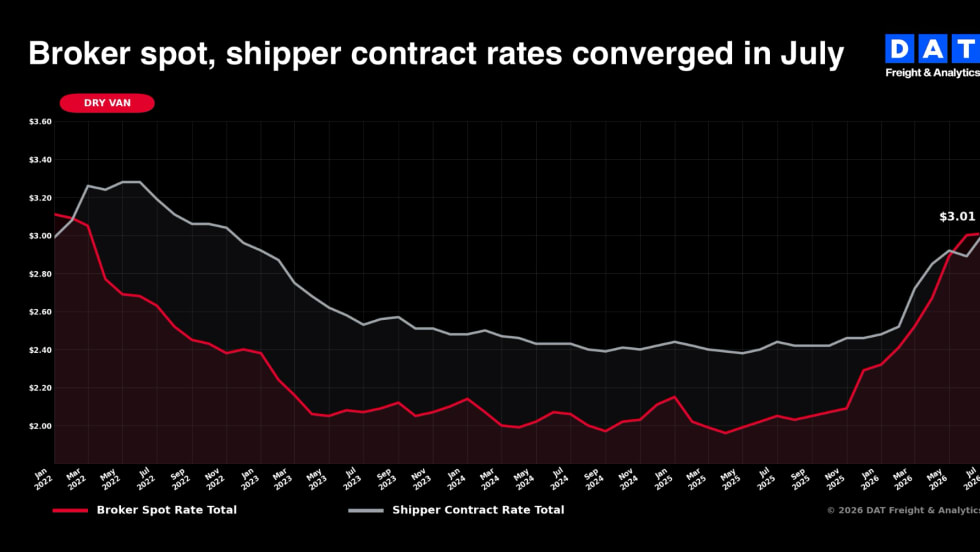
Tight Trucking Capacity Pushes Rates Higher Even as Freight Volumes Fall
“Spot rates moving ahead of contract rates have historically signaled a tightening market, but we haven’t seen a capacity-driven market quite like this one,” said DAT's Dean Croke.
Read More →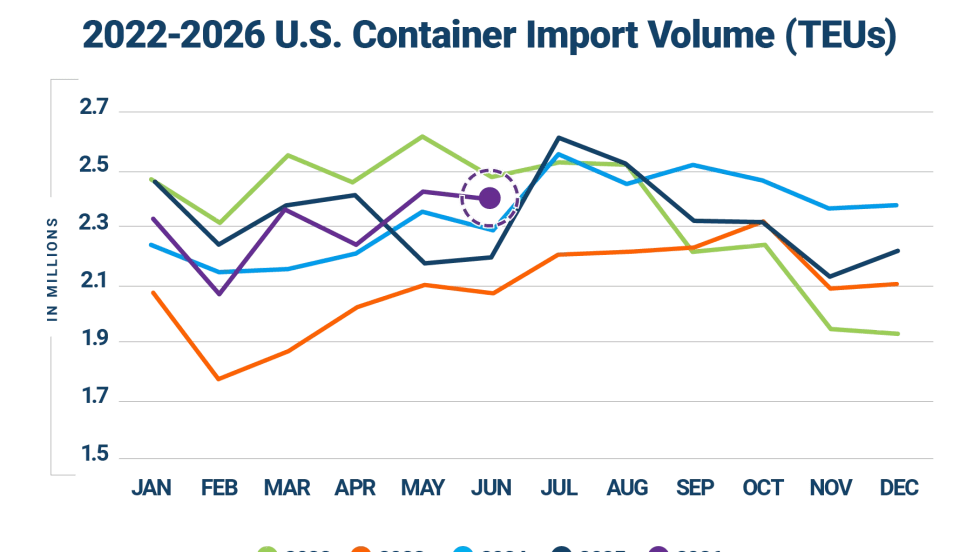
Import Cargo’s Early Peak Season is Winding Down
There was an early start to peak season this year at the nation's gateway ports, as retailers brought in merchandise ahead of tariff changes in late July and responded to other supply chain uncertainties,
Read More →
Fewer Cargo Thefts, Bigger Losses: Criminals Target Higher-Value Loads
CargoNet says organized theft rings are stealing fewer shipments but choosing more valuable freight, including metals and technology, resulting in record losses.
Read More →
How Innovative Trucking Leaders Turn Change Into an Advantage
As the pace of change accelerates in trucking, the fleets that adapt best have more than the latest technology. They have cultures that embrace improvement.
Read More →