




8 Indicted in Pilot Flying J Fuel Rebate Scam
The former president of travel plaza chain Pilot Flying J has been indicted, along with seven other former employees, on federal charges related to an alleged fuel-rebate scheme.
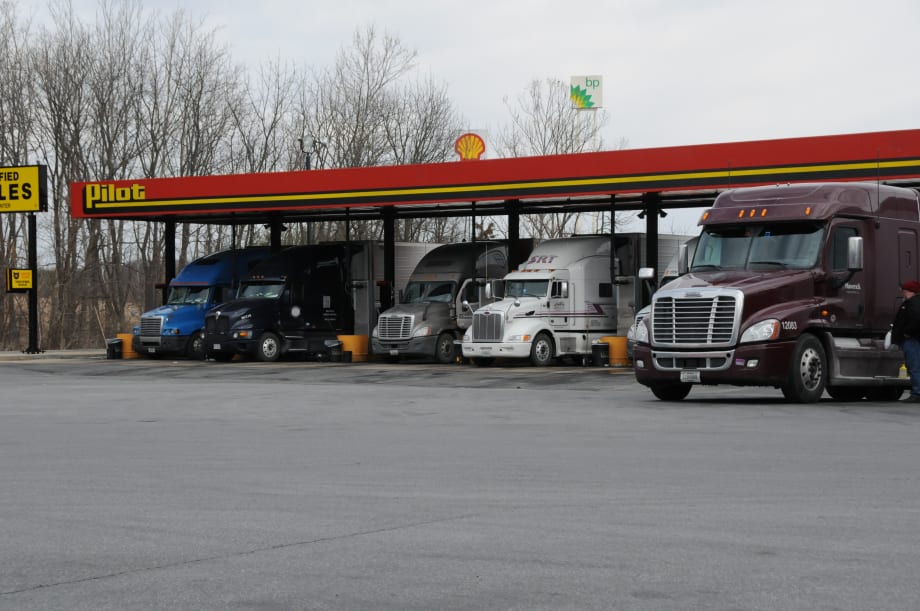
Photo by Jim Park

The former president of travel plaza chain Pilot Flying J has been indicted, along with seven other former employees, on federal charges related to an alleged fuel-rebate scheme.
Pilot owner and CEO Jimmy Haslam was not among those indicted. Haslam has repeatedly denied any knowledge of the fuel rebate scheme.
In addition to former President Mark Hazelwood, seven other people were targeted in the indictments unsealed Tuesday, including former vice president of sales John Freeman, who the FBI has said was the architect of the fuel rebate scheme, and former Pilot vice president of direct sales Scott Wombold. Others indicted were Vicki Borden, Katy Bibee, Heather Jones, Karen Mann, and John Spiewak.
Federal authorities say all eight participated in "a scheme and artifice to defraud certain interstate trucking companies and for obtaining money from certain interstate trucking companies by means of materially false and fraudulent pretenses, representatives and promises.”
Hazelwood also has been charged with witness tampering, and Wombold with lying to agents with the FBI and IRS.
Ten former Pilot employees have already pleaded guilty and are awaiting sentencing.
Federal authorities said Pilot promised fuel rebates to trucking customers but never actually paid them out, defrauding customers of more than $56 million. In 2014, the company reached a $92 million settlement with authorities and promised to help authorities in the ongoing investigation.
As part of that settlement, Pilot confirmed that “fraudulent conduct involving diesel fuel price discounts was prevalent within its direct sales group and carried out with the knowledge and participation of employees responsible for the operation and oversight of direct sales.”
Pilot Flying J also has reached an $85 million settlement with trucking customers who sued the company.
One lawsuit against the company remains. Wright Transportation filed suit against Pilot in December of 2015 in an Alabama court alleging Pilot lied about it's diesel prices. That lawsuit has not been resolved.
Ten former Pilot employees have pleaded guilty to charges related to the rebate scheme.
Hazelwood, who left the company in 2014, was released on the condition he does not leave the area of Nashville or Knoxville.
Pilot Flying J released a statement saying that it could not comment further on matters that are part of an ongoing investigation.
“We can say that since this unfortunate episode began, the company has put in place policies and procedures unparalleled in the industry to prevent anything like this from happening again.
“The company has cooperated with the investigation since its beginning and will continue to do so. The company repaid affected customers, accepted legal responsibility, and agreed to pay a monetary penalty. The trust and confidence of Pilot Flying J’s customers continues to be of paramount importance to the company and their continued support and loyalty is very much appreciated.”
The history
In 2013, Pilot Flying J headquarters in Knoxville, Tenn., was raided by FBI and IRS agents, following an investigation that started in 2011.
A 120-page indictment accused the company of scheming to engage in rebate fraud, withholding fuel rebates and other discounts from its 5,500 trucking company customers for years.
With this week’s indictments, reports the Knoxville Sentinel, “the prosecutors turned to a rare device in federal court — the ‘speaking’ indictment, which lays out with specificity the alleged scheme and reveals sections of the government's evidence against each defendant.”
That evidence includes emails and audio recordings in which Hazelwood and his alleged co-conspirators talked about their intent to cheat less-sophisticated trucking companies out of their rebates.
"Say one thing, do another," Freeman wrote, according to the Sentinel. "Use smooth talking and a little change.”
Secret recordings of Hazelwood allegedly captured him not only giving his approval of an expansion of the alleged fraud, but also telling his sales executives how to choose victims.
More Fuel Smarts
Cummins Adjusts 2027 Engine Rollout After EPA Proposal
The engine maker will gradually introduce its new Model Year 2027 diesel engines while continuing to offer current models during the transition, citing the EPA's proposed emissions rule changes.
Read More →
EPA Proposal Could Ease 2027 Truck Costs and Buying Uncertainty
The proposal doesn't change the tougher NOx standard, but it would revise key implementation requirements that manufacturers say have driven up costs and complicated fleet purchasing decisions.
Read More →
Cummins, Paccar Ease DEF Derates After EPA Guidance
Updated diesel engine software gives truck operators more time to address emissions-system issues while staying compliant with EPA emissions standards.
Read More →
Maintenance in the Messy Middle Part 3: Biodiesel
Biodiesel can reduce emissions, improve fuel-system lubricity and use existing diesel infrastructure. But NACFE’s Messy Middle maintenance report says fleets must actively manage storage, cold-weather operation, filters and oil drain intervals to avoid problems.
Read More →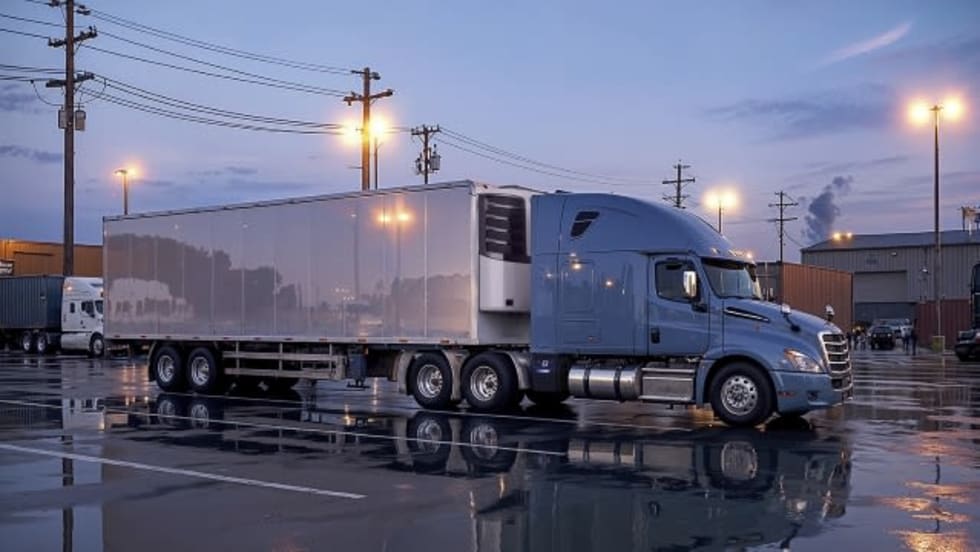
Enhance Fleet Performance with High-Efficiency Auxiliary Power Units
Drive sustainable cost savings while increasing driver comfort during short- and long-haul logistics operations.
Read More →
Maintenance in the ‘Messy Middle’ Part 2: Renewable Diesel Fuel
NACFE's latest Messy Middle Powertrain Service & Maintenance report says renewable diesel gives fleets an opportunity to reduce carbon emissions without changing trucks, fueling infrastructure or maintenance practices. But technicians still need to understand several important operational differences.
Read More →
The Diesel Engine Enters NACFE’s ‘Messy Middle’
NACFE’s new Messy Middle Powertrain Service & Maintenance report says keeping modern diesel engines running now depends as much on software, diagnostics and data as traditional mechanical service.
Read More →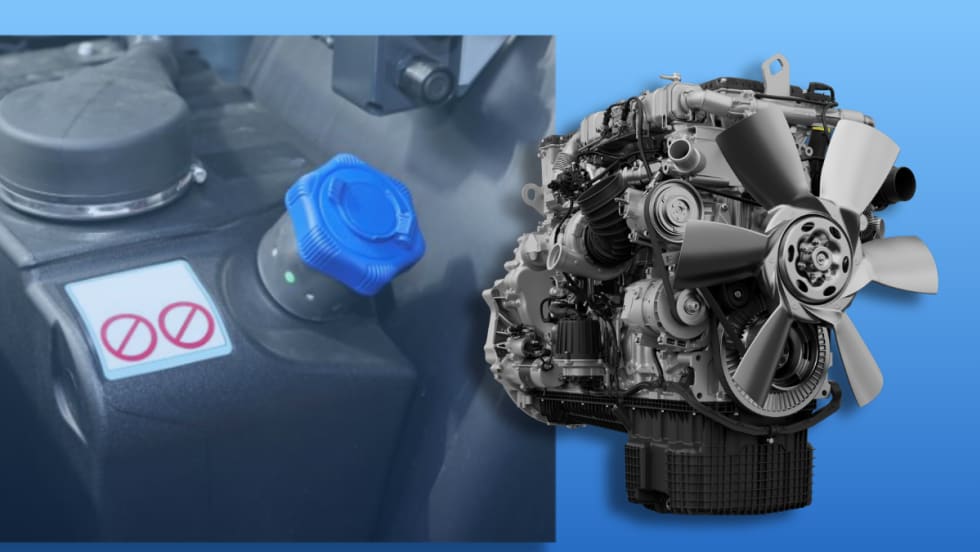
DTNA Software Update Gives Truckers More Time Before DEF Derates Take Effect
The changes reflect EPA guidance aimed at reducing downtime caused by emissions-system faults while maintaining compliance requirements.
Read More →
New Agentic Predictive Maintenance Report Demonstrates How Degraded Aftertreatment Systems Waste Fuel
Questar analyzed a large mixed-class fleet and discovered it was wasting as much as $30 in fuel per vehicle, per day, because of mechanically degraded aftertreatment systems.
Read More →
New York City's Microhub Project is Delivering Results
Trucking, last-mile delivery companies, and environmental advocates like what they are seeing so far with New York's microhub program.
Read More →