




Self-Driving Robots: Delivery Fleet of the Future?
Starship Technologies, a new company launched by former Skype co-founders, will introduce fleets of delivery robots, which will have zero cost, zero waiting time and zero carbon dioxide emissions.
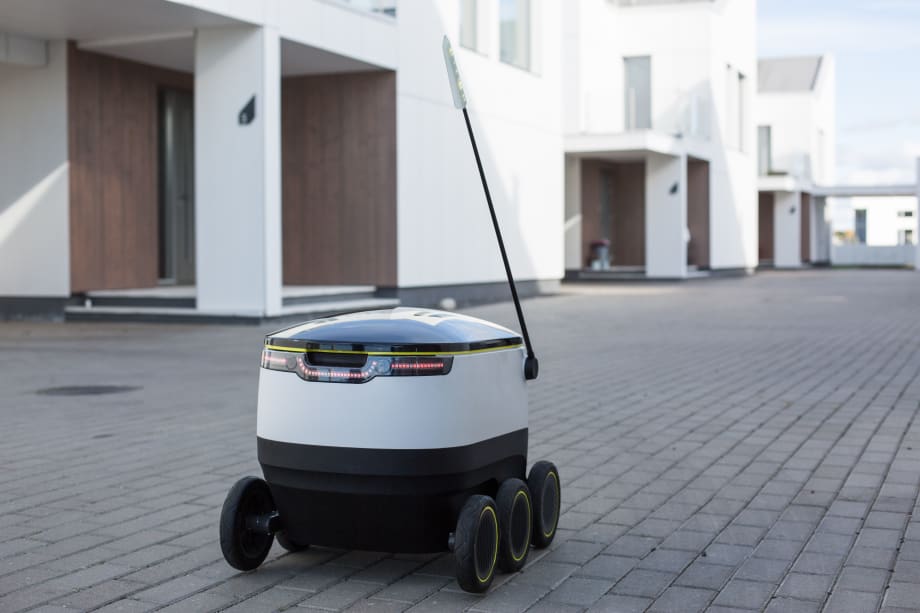
One of Starship Technologies' delivery robots. Photo via Starship Technologies.

Launched by former Skype co-founders, Starship Technologies will introduce fleets of small delivery robots.
These robot fleets will open up new opportunities for businesses such as parcel delivery firms or grocery stores, according to the company.
“Our vision revolves around three zeroes — zero cost, zero waiting time and zero environmental impact,” said Ahti Heinla, a Skype co-founder and CEO at Starship Technologies. “We want to do to local deliveries what Skype did to telecommunications.”
Capable of carrying the equivalent of two grocery bags, the robots can complete local deliveries within five to 30 minutes from a local hub or retail outlet — for 10-15 times less than the cost of current last-mile delivery alternatives, according to the company.
Customers can choose from a selection of short, precise delivery slots — meaning goods arrive at a time that suits them. During delivery, shoppers can track the robot’s location in real time through a mobile app. And on arrival only, the app holder is able to unlock the cargo.
Integrated navigation and obstacle avoidance software enables the robots to drive autonomously, but they are also overseen by human operators who can step in to ensure safety at all times, says the company.
For businesses, Starship’s technology eliminates the largest inefficiency in the delivery chain: the last mile. Instead of door-to-door delivery, retailers can ship the goods in bulk to a local hub. Then the robot fleet completes the delivery to the shopper’s door for a fraction of the cost, according to the company.
“With ecommerce continuing to grow, consumers expect to have more convenient options for delivery — but at a cost that suits them,” said Heinla. “The last few miles often amount to the majority of the total delivery cost. Our robots are purposely designed using the technologies made affordable by mobile phones and tablets — it’s fit for purpose and allows for the cost savings to be passed on to the customer.”
The robots are intended to slip seamlessly and safely into the environment. “They travel at the slow speed of four miles per hour — a brisk walking pace,” said Heinla. “They don’t fly — these are not drones. They travel on pavements/sidewalks, blending safely in with pedestrian traffic.”
Starship Technologies is currently testing and demonstrating prototypes and plans to launch the first pilot services with its service partners in the U.S., U.K. and other countries in 2016, says the company.
More Fleet Management
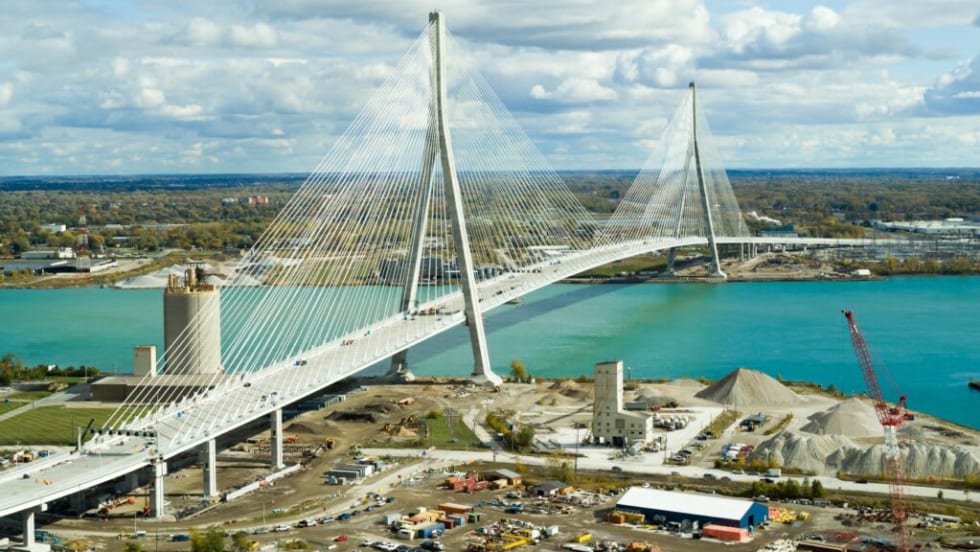
Long-Awaited Canadian Border Bridge to Open in Detroit
For trucking, the bridge opening should offer immediate improvements in efficiency and reliability, with new customs facilities, expanded inspection capacity, and direct freeway-to-freeway connections.
Read More →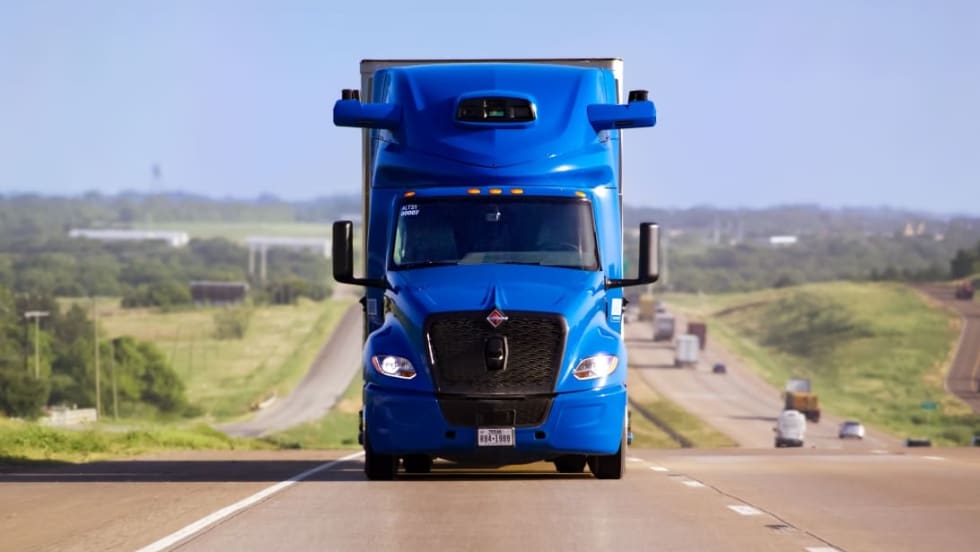
Aurora Rolls Out Next Generation of Driverless Trucks for Commercial Freight
Aurora's latest autonomous trucks it's rolling out with International feature lower-cost hardware designed for a million miles as the company expands commercial driverless freight operations across the U.S. Sun Belt.
Read More →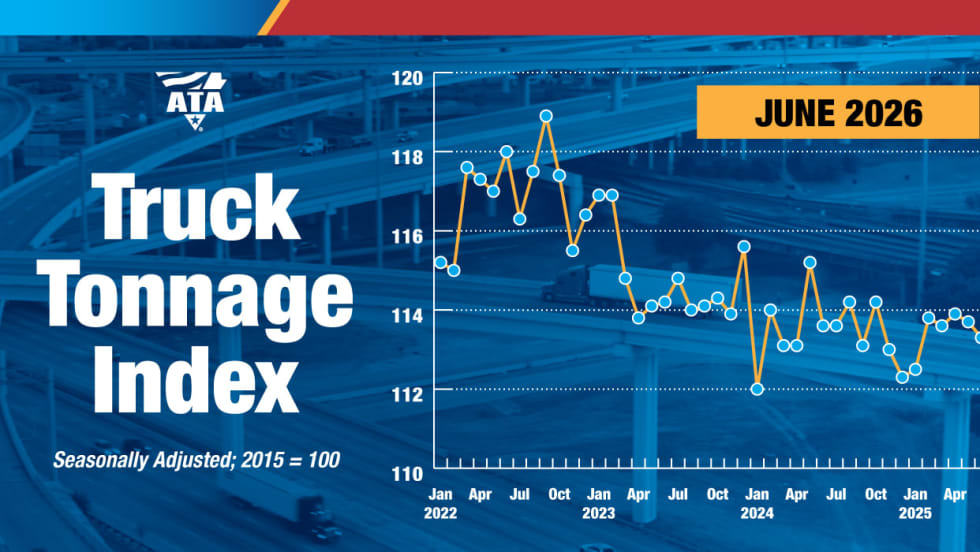
Freight Tonnage Down, Rates up, as Lower Capacity Powers Trucking Recovery
The recovery from the freight recession continues to be driven by reduction in capacity rather than by increased demand.
Read More →

Think Your Trucking Fleet Isn't Using Much AI? Think Again
Shadow AI — the use of unauthorized artificial intelligence tools at work — is becoming increasingly common, putting sensitive company data at risk. Learn how trucking fleets can protect sensitive data while embracing AI.
Read More →
ArcBest Consolidates Brands, Cuts Workforce
The company will bring three business units under the ArcBest brand, eliminate about 2% of positions, and expects the changes to generate $40 million in annual savings.
Read More →
Trucking Fleets Faced Record Operating Costs During Third Year of Freight Recession
ATRI's annual operational cost report shows carriers trimmed fleets, delayed equipment purchases, and ran older trucks as expenses continued to outpace freight rates.
Read More →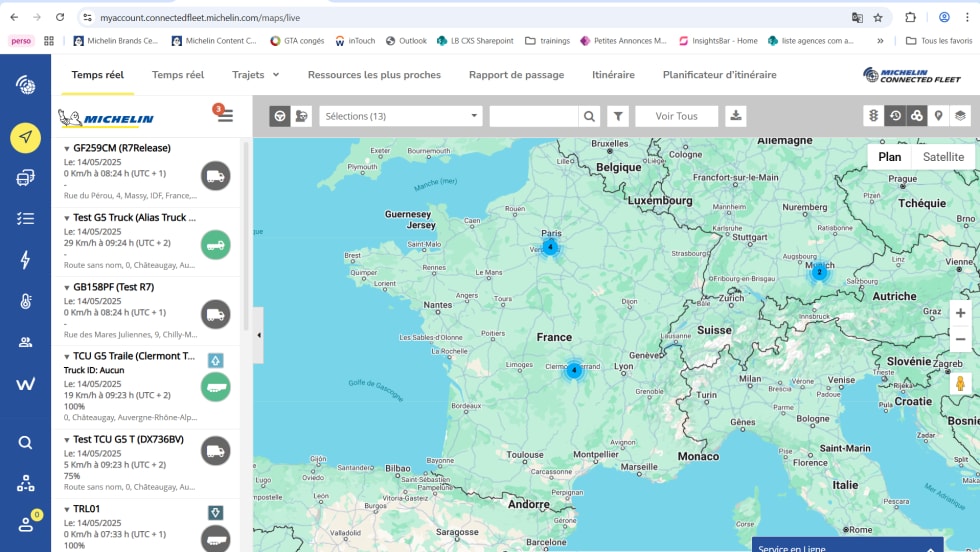
Michelin Adds AI Assistant to MyConnectedFleet Platform
Michelin’s new generative AI tool delivers instant fleet insights, helping managers analyze fuel use, tire maintenance, vehicle status, and operational performance without manually creating reports.
Read More →
LytxOne Platform Now Features AI, Compliance, and Asset Tracking Tools
New enhancements add AI-powered insights, asset tracking, compliance automation, and configurable privacy controls to Lytx's all-in-one fleet management platform.
Read More →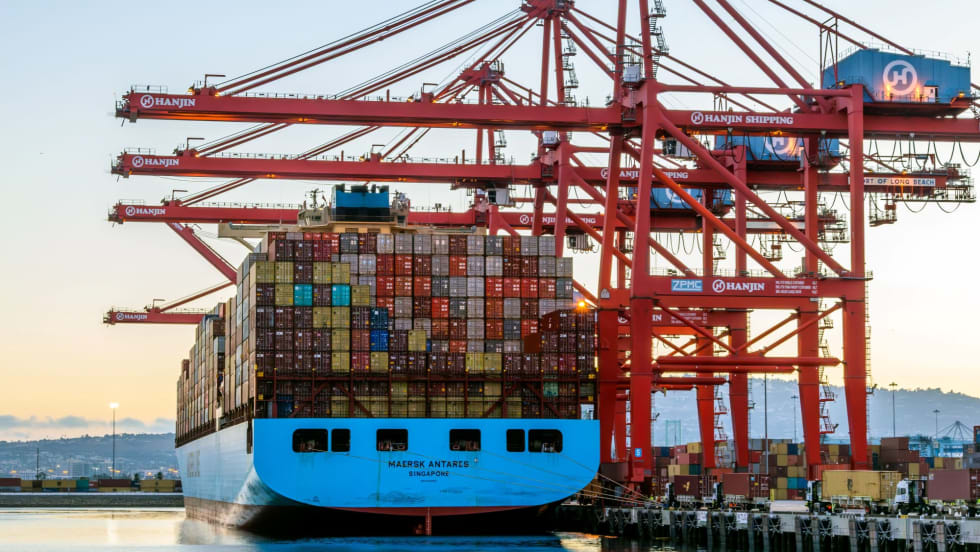
July Imports Poised to Set Container Record
The National Retail Federation projects July container imports will surpass the pandemic-era record as shippers frontload freight ahead of expected August tariff increases.
Read More →
HDT Announces 2026 Truck Fleet Innovator Finalists
From AI and fleet electrification to safety, operations, and leadership, these HDT Truck Fleet Innovator finalists are changing how trucking gets done.
Read More →