




Driver-Coercion Rule Takes Effect on Jan. 29
The new rule prohibiting acts of coercion aimed at compelling truck drivers to violate federal safety regulations takes effect on Jan. 29.


Image: Seeing Machines

Image: Seeing Machines
The new rule prohibiting acts of coercion aimed at compelling truck drivers to violate federal safety regulations takes effect in just over two weeks, on Jan. 29.
The “Prohibiting Coercion of Commercial Motor Vehicle Drivers” rule specifically forbids motor carriers, shippers, receivers, or transportation intermediaries from coercing CDL holders to violate certain provisions of the Federal Motor Carrier Safety Regulations.
The covered regulations include drivers' hours-of-service limits; CDL regulations; drug and alcohol testing rules; and haz-mat requirements.
The rule also prohibits anyone who operates a CMV in interstate commerce from coercing a driver to violate the commercial regulations.
According to FMCSA, the final rule addresses three key areas concerning driver coercion:
Procedures for commercial truck and bus drivers to report incidents of coercion to FMCSA
Steps the agency could take when responding to such allegations
Penalties that may be imposed on entities found to have coerced drivers
Those penalties can include fines of up to $16,000 for each offense on any “motor carrier, shipper, receiver, or transportation intermediary that coerces a driver to violate the regulations listed in the definition of coercion.”
The rulemaking was mandated by Congress back in 2014 in response to long-standing driver concerns that carriers and others are often indifferent to the operational restrictions imposed by federal safety rules, according to FMCSA.
During the rulemaking process, the agency noted that it heard from drivers who reported having been pressured to violate regulations “with implicit or explicit threats of job termination, denial of subsequent trips or loads, reduced pay, forfeiture of favorable work hours or transportation jobs, or other direct retaliations.”
“Any time a motor carrier, shipper, receiver, freight-forwarder, or broker demands that a schedule be met, one that the driver says would be impossible without violating hours-of-service restrictions or other safety regulations, that is coercion,” said FMCSA Chief Counsel T.F. Scott Darling III.
More Drivers
Platform Science Adds Dispatch and Safety Tools
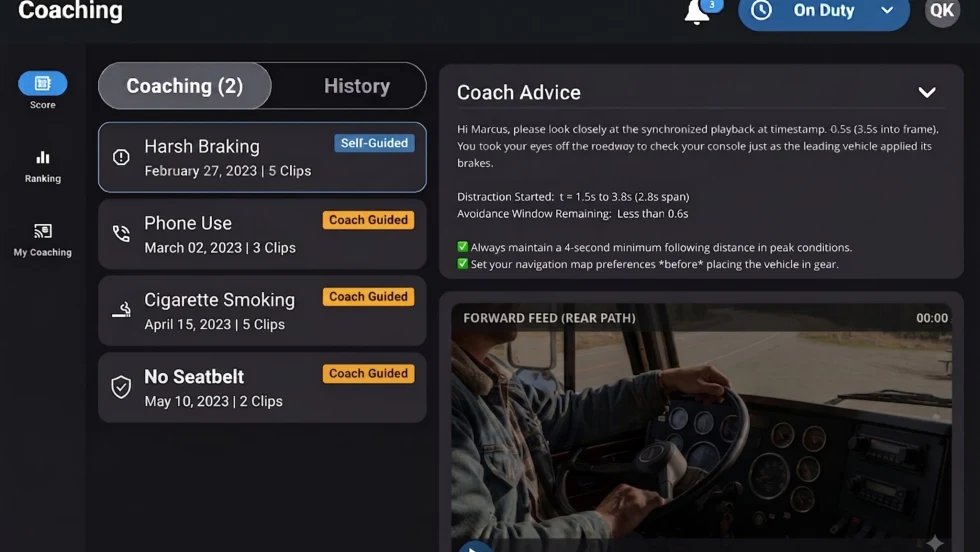
Four additions to PS Fleet help fleets monitor loads, manage driver coaching, share truck locations and adjust video system settings.
Read More →
When Language Stops the Truck: The Return of ELP Out-of-Service Orders
English language proficiency rules for commercial drivers aren’t new, but renewed out-of-service enforcement has raised the stakes. Here’s what carriers need to know before a driver reaches a roadside inspection.
Read More →
Samsara Launches Custom AI Agent Builder
Agent Studio lets fleets create AI tools for hours-of-service monitoring, reporting and driver support, including agents that communicate by phone.
Read More →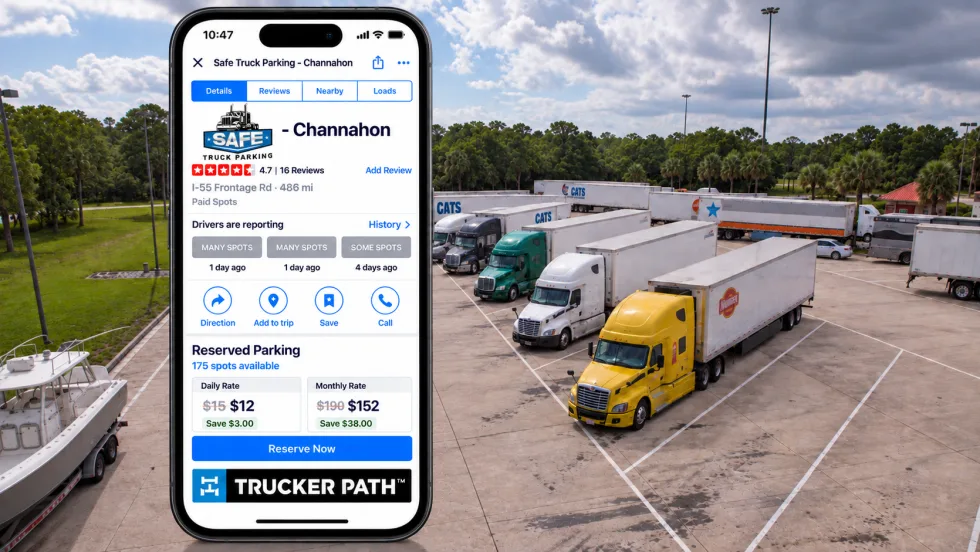
Trucker Path Expands Reserved Parking Network
Trucker Path has added close to 6,000 more truck parking spaces to its Trucker Path Reserved Parking Network with the addition of Safe Truck Parking.
Read More →
EEOC Sues Texas Trucking Company Over Driver Age Limits
The agency says Trancasa USA rejected applicants over 65 and applied tougher driving-record standards to those over 60.
Read More →
Nussbaum, Roehl Announce Second Driver Pay Increase This Year
This year has seen a swath of major truck driver pay increases as freight capacity has tightened.
Read More →
From One Generation to the Next: How Mentorship Builds Safer Truck Drivers
After three decades in trucking, Harold Perry shares what he's learned about driver safety, mentorship, and helping the next generation build confidence behind the wheel.
Read More →
Truck Drivers Need More Than Another Alert
Fleets have more visibility into truck health, safety events, and driver activity than ever. The next challenge is turning all that information into useful guidance for the person who has to decide what to do next.
Read More →
FMCSA Removes 110 Truck Driver Training Schools from Certified ELDT List
Federal regulators also are targeting more than 160 additional training providers and launching a nationwide audit of third-party CDL skills testers as part of a broader crackdown on trucking fraud.
Read More →
Hours of Service Pilot Programs: FMCSA Readies for 2027 Rollout
Two pilot programs could eventually reshape hours-of-service rules, giving truck drivers options to pause their 14-hour clock or use longer split sleeper rest periods.
Read More →