




Crash Data Shows Reduction in Trucking-Related Fatalities
Recent analysis by ATA of crash and mileage data has shown a decline in the rate of truck-involved fatalities in both the short and long term.
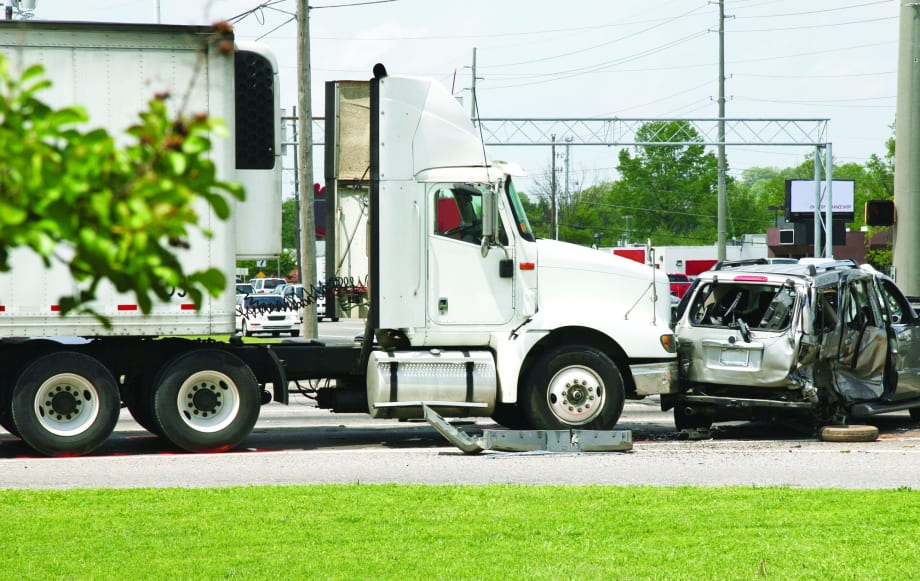
After analyzing new crash and mileage data from the Department of Transportation, the American Trucking Associations has found that the rate of truck-involved fatalities has declined.
The fatality rate for truck-involved fatalities fell for the second straight year to 1.4 per 100 million miles traveled, according to ATA’s analysis of miles traveled data from the Federal Highway Administration and highway fatality data from the National Highway Transportation Safety Administration.
“Our industry has worked hard, and invested in technology and training to improve highway safety not just for our drivers, but for all motorists,” said Dave Osiecki, ATA executive vice president for National Advocacy. “And while there is more work to do, it is gratifying to see those efforts paying off in safer roads for all of us.”
There were 3,903 truck-involved fatalities in 2014, a decline of 61 from 2013 while at the same time the number of miles traveled by large trucks rose to more than 279 billion, according to NHTSA. The figures only represent fatalities where a large truck was involved in the crash and not necessarily the cause of the accident.
In the short term, the fatality rate dropped 2.78% from 2013 and has fallen 4.76% over the past two years. In the past decade, the fatality rate has fallen 40.6%.
“The short-term decline is welcome news, but the important figure is the long-term trend,” said Bill Graves, ATA president and CEO. “Short-term changes, whether they’re increases or declines, can be blips, they shouldn’t be the primary lens truck safety is viewed through. The long-term is of paramount importance.”
More Safety & Compliance

$604 Million Verdict Tests Broker Liability After Supreme Court Ruling
C.H. Robinson plans to appeal after a Texas jury found it bore the largest share of responsibility for a fatal 2021 crash, in a case that follows the Supreme Court's Montgomery decision allowing negligent hiring claims against freight brokers.
Read More →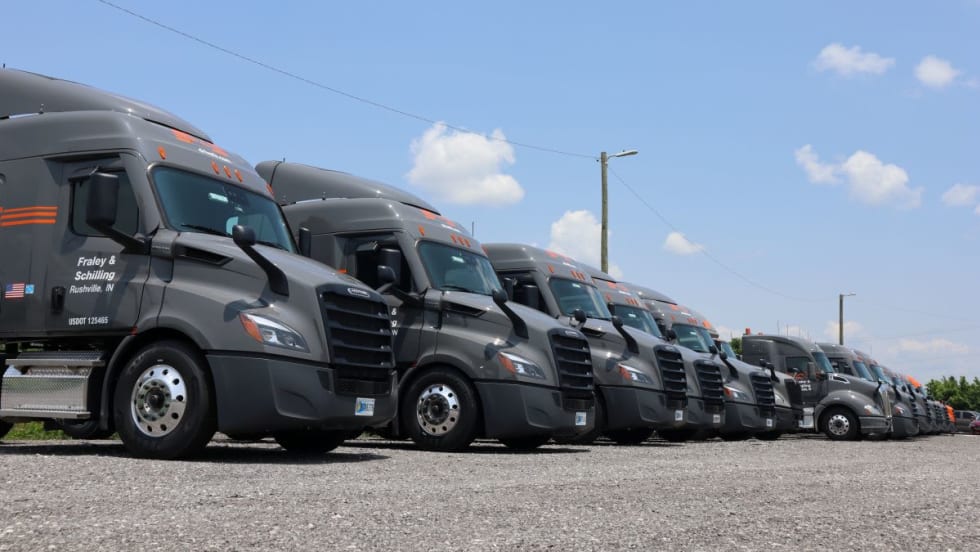
How Fraley & Schilling Improved Logbook Compliance by Over 50%
Fraley & Schilling needed a way to close a compliance workflow gap in its ELD system without adding more work from driver training, reminders, and back-office follow-ups. It found the answer in a custom driver app.
Read More →
Farewell, CDL: Why I'm Giving Up My Commercial Driver's License
After more than 20 years as a CDL holder, HDT Executive Editor Jack Roberts is letting his commercial license expire. Not because he wants to — but because trucking's nuclear verdict crisis has made the risks of public-road test drives too great for editors, manufacturers, and everyone involved.
Read More →
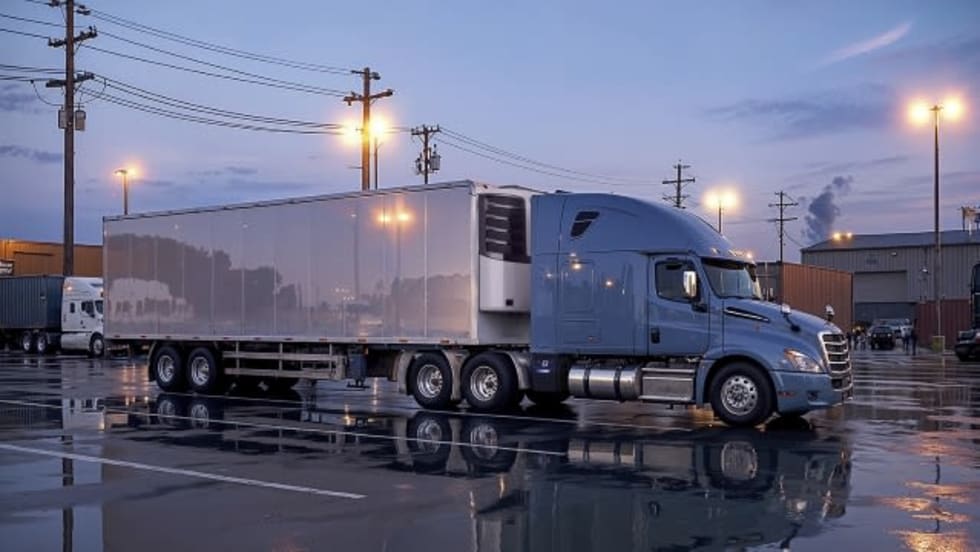
Enhance Fleet Performance with High-Efficiency Auxiliary Power Units
Drive sustainable cost savings while increasing driver comfort during short- and long-haul logistics operations.
Read More →
Wabash Trailers Recalled for Improperly Installed Underride Guards
More than 900 Wabash dry van trailers may not comply with the Federal Motor Vehicle Safety Standard for rear impact guards.
Read More →
Why K&B Trucking Is Embracing AI and Driver Safety Technology
Crunching data and embracing artificial intelligence are key in K&B Trucking's safety efforts, says the company's safety director.
Read More →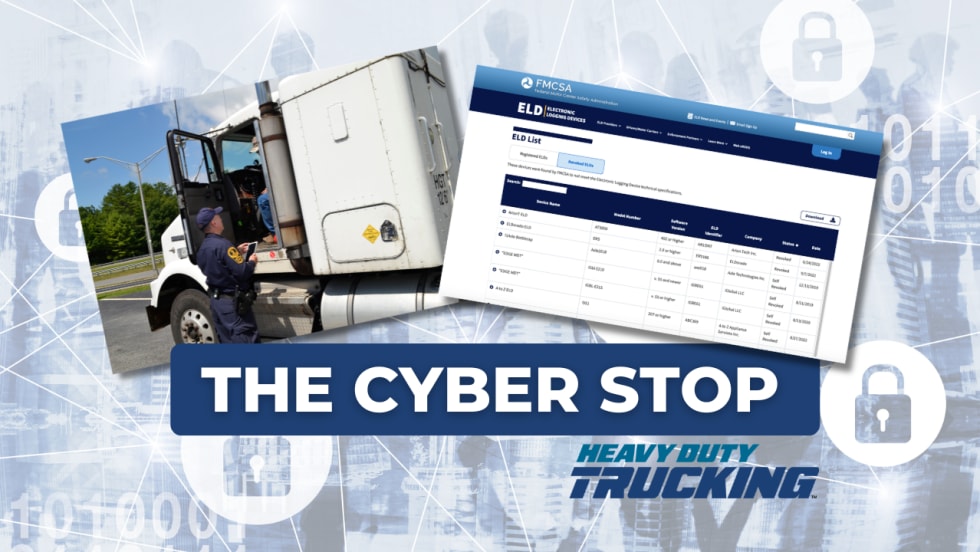
The Hidden Problem Behind FMCSA's ELD Revocations
NMFTA researchers say dozens of registered ELDs may be built on the same software platforms, allowing compliance and security concerns to persist even after individual devices are removed from the market.
Read More →
ATRI Wants Motor Carriers for Driver-Facing Camera Study
In this new study, the American Transportation Research Institute will explore how driver-facing cameras can impact safety and operational metrics in trucking fleets.
Read More →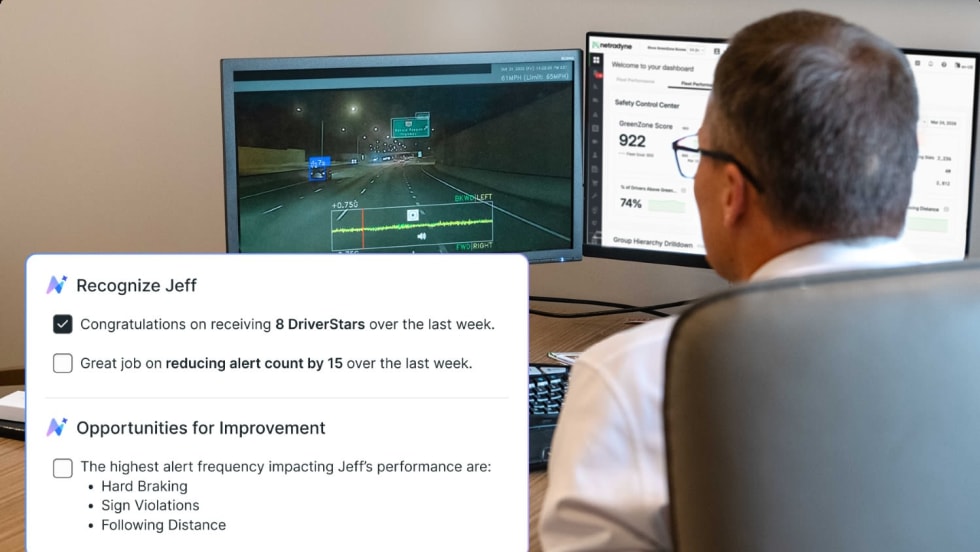
Netradyne Intelligence Uses New AI Agents to Automate Response to In-Cab Camera Data
The company called the next-generation in-cab camera safety platform "a fundamental shift from systems that report on what happened to systems that actively drive what should happen next."
Read More →Mack, Volvo Issue ‘Do Not Drive’ Recall on Possible Wheel-Offs
Owners will be sent advance notice not to operate their affected vehicles until the remedy is performed.
Read More →