




Related: HDT's Top 50 Green Fleets
Fiat-Chrysler Invests Heavily in CNG Truck-Fleet Conversion
Fiat-Chrysler Automobiles is investing $40 million in FCA Transport to convert its fleet of 179 parts-haulers to run on compressed natural gas.
by Staff
December 7, 2015
Photo: Agility Fuel Systems
2 min to read

Fiat-Chrysler Automobiles US LLC (FCA) is investing $40 million in its FCA Transport unit to convert its fleet of 179 parts-haulers to run on compressed natural gas.
FCA said the investment will make FCA Transport the largest private fleet of CNG–powered heavy-duty vehicles in the state of Michigan.
"Our transition to CNG reflects the way FCA U.S. attempts to balance our search for profitability with social responsibility and community development, including environmental stewardship," said Steve Beahm, senior vice president of supply chain management at FCA North America.
"This project was a win-win-win – it offered a solid business case, clear environmental benefits and an opportunity to invest in our Detroit facility and workforce," he added."
Agility Fuel Systems will provide behind-the-cab fuel systems for the conversions. The fuel systems have a capacity of 160 DGE (diesel gallons equivalent) and an operating range of over 600 miles. Agility, Cummins and Allison Transmission has helped train FCA Transport’s drivers and mechanics.
"Today is the culmination of two years of research and planning, an extensive pilot program of CNG trucks and ongoing training of more than 6,000 hours,” said Marty DiFiore, head of FCA Transport and Auto Transport Services.
The company spent $1.8 million to outfit its 36,000 square-foot maintenance facility to handle the new CNG-powered fleet. FCA will use a $5 million on-site CNG fueling station, designed and built by TruStar Energy. It is the largest private CNG station in North America, the company said.
More Fuel Smarts
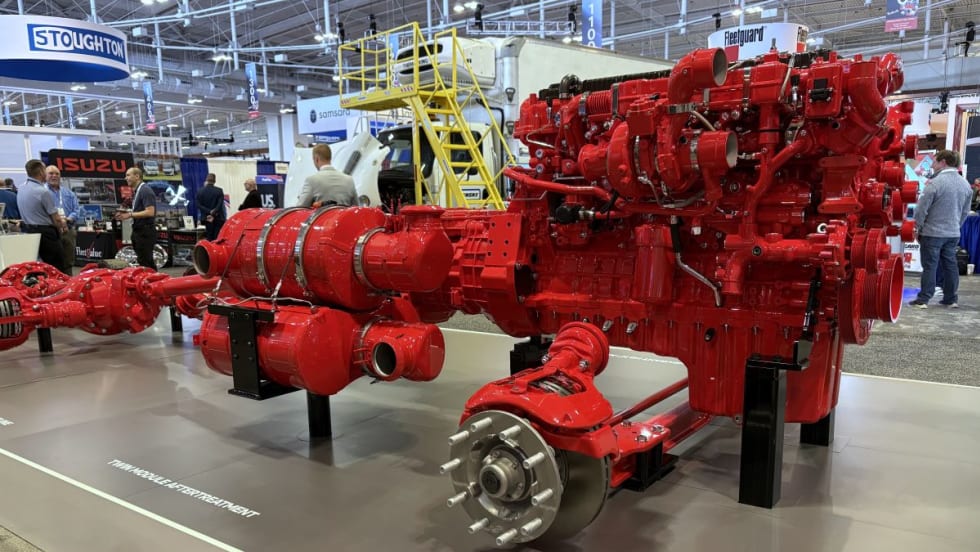
Cummins Adjusts 2027 Engine Rollout After EPA Proposal
The engine maker will gradually introduce its new Model Year 2027 diesel engines while continuing to offer current models during the transition, citing the EPA's proposed emissions rule changes.
Read More →
EPA Proposal Could Ease 2027 Truck Costs and Buying Uncertainty
The proposal doesn't change the tougher NOx standard, but it would revise key implementation requirements that manufacturers say have driven up costs and complicated fleet purchasing decisions.
Read More →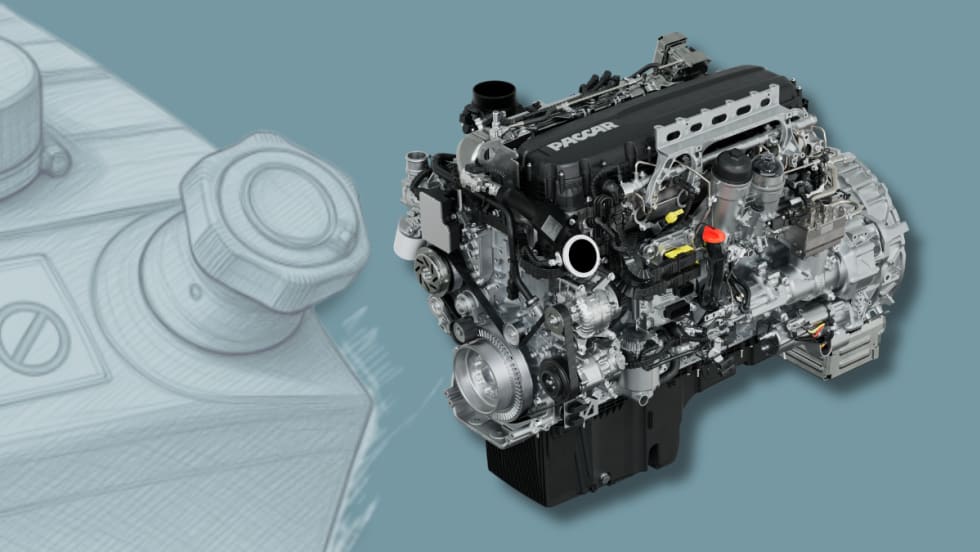
Cummins, Paccar Ease DEF Derates After EPA Guidance
Updated diesel engine software gives truck operators more time to address emissions-system issues while staying compliant with EPA emissions standards.
Read More →
Maintenance in the Messy Middle Part 3: Biodiesel
Biodiesel can reduce emissions, improve fuel-system lubricity and use existing diesel infrastructure. But NACFE’s Messy Middle maintenance report says fleets must actively manage storage, cold-weather operation, filters and oil drain intervals to avoid problems.
Read More →
Sponsored•July 1, 2026
Enhance Fleet Performance with High-Efficiency Auxiliary Power Units
Drive sustainable cost savings while increasing driver comfort during short- and long-haul logistics operations.
Read More →
Maintenance in the ‘Messy Middle’ Part 2: Renewable Diesel Fuel
NACFE's latest Messy Middle Powertrain Service & Maintenance report says renewable diesel gives fleets an opportunity to reduce carbon emissions without changing trucks, fueling infrastructure or maintenance practices. But technicians still need to understand several important operational differences.
Read More →
The Diesel Engine Enters NACFE’s ‘Messy Middle’
NACFE’s new Messy Middle Powertrain Service & Maintenance report says keeping modern diesel engines running now depends as much on software, diagnostics and data as traditional mechanical service.
Read More →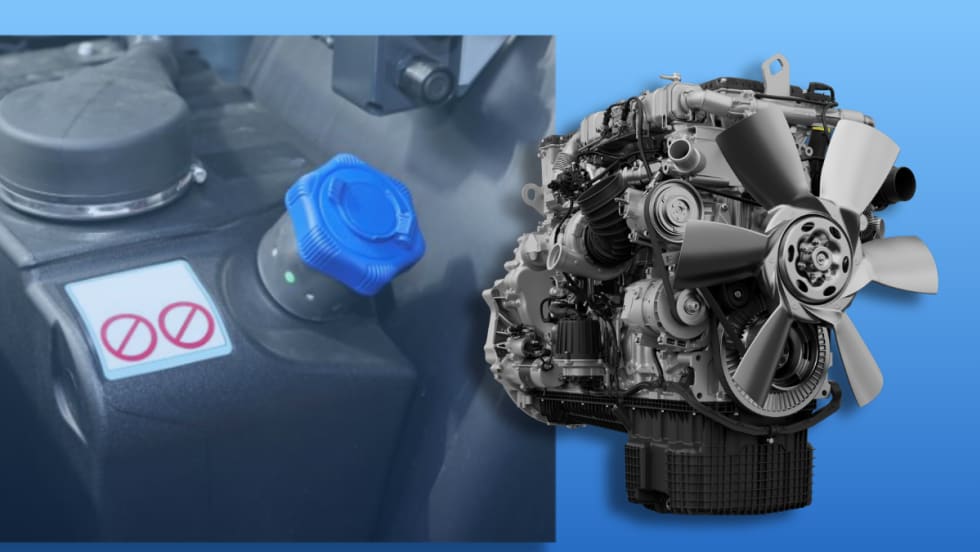
DTNA Software Update Gives Truckers More Time Before DEF Derates Take Effect
The changes reflect EPA guidance aimed at reducing downtime caused by emissions-system faults while maintaining compliance requirements.
Read More →
New Agentic Predictive Maintenance Report Demonstrates How Degraded Aftertreatment Systems Waste Fuel
Questar analyzed a large mixed-class fleet and discovered it was wasting as much as $30 in fuel per vehicle, per day, because of mechanically degraded aftertreatment systems.
Read More →
New York City's Microhub Project is Delivering Results
Trucking, last-mile delivery companies, and environmental advocates like what they are seeing so far with New York's microhub program.
Read More →