




Long Beach Switching Heavy Fleet to RNG From LNG
The City of Long Beach (Calif.) has transitioned its heavier vehicles to run on renewable liquid natural gas (RNG) and is discontinuing the use of fossil liquid natural gas (LNG) to reduce emissions and fuel costs, according to the agency.

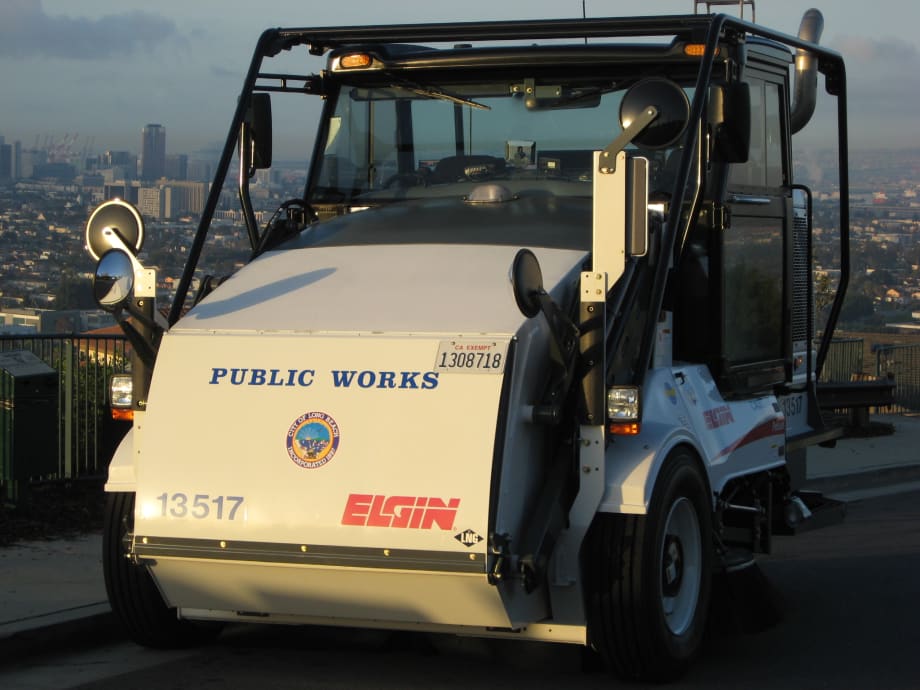
Photo of LNG-powered sweeper courtesy of City of Long Beach.
Photo of LNG-powered sweeper courtesy of City of Long Beach.
The City of Long Beach (Calif.) has transitioned its heavier vehicles to run on renewable liquid natural gas (RNG) and is discontinuing the use of fossil liquid natural gas (LNG) to reduce emissions and fuel costs, according to the agency.
The move will affect 85 LNG-powered vehicles including 55 refuse trucks, 78 heavy-duty Class 8 trucks, 16 street sweepers, three dump trucks, two tractor trucks, and two rear loaders. The city's fleet operations division didn't need to make any modifications to the vehicles, said Oliver Cruz, fuel operations program officer.
The city switched over the vehicles in October, and will rely on two existing 16,300-gallon RNG storage tanks located on city property.
"We do not expect any changes for the amounts of RNG we store on-site," Cruz said.
The switch is expected to net the city cost savings of about $0.327 per gallon. Based on the past year of usage, the savings should be about $27,000 per year, Cruz said. The city used more than 823,000 gallons of LNG over the past 12 months.
"With California’s Low Carbon Fuel Standard (LCFS) credits, producers of renewable fuels are able to provide competitive pricing," Cruz said. "RNG is actually less expensive than fossil LNG for the City of Long Beach."
Renewable natural gas (also known as biomethane) significantly reduces greenhouse gas emissions. It's sourced from methane from landfills and animal waste that's released into the atmosphere and used for conversion into RNG.
This methane is combusted as renewable gas resulting in greenhouse gas releases that are approximately 21 times less potent than methane released directly into the atmosphere. The use of RNG represents the recycling of carbon that is already circulating in the environment, whereas burning fossil LNG represents the release of new carbon emissions that were previously sequestered in the earth, Cruz said.
"The shift to RNG was an easy choice for the city because of the environmental benefits," Cruz said. "According to the California Air Resources Board, RNG's carbon emissions when measured over the lifecycle of the fuel's production, transport and use, is the lowest of any vehicle fuel that is commercially available."
More Fuel Smarts
Electric Yard Tractors Move Beyond Pilots
Operating-cost savings have overtaken sustainability goals as the leading reason surveyed fleets are adopting battery-electric terminal tractors, according to new NACFE research.
Read More →
Geotab Links Fleet Card to Vehicle Data
The new card combines fuel discounts with telematics-based purchase controls. Geotab’s analysis also points to potential savings from choosing lower-priced fuel stops.
Read More →
Fleet Economics Shape Electric Truck Outlook
ACT Research expects costs, charging infrastructure, and technology improvements to drive zero-emission commercial vehicle adoption as federal regulations and incentives retreat.
Read More →
Wex Adds Cardless Fuel Payments for Over-the-Road Customers
A new fuel card feature for Wex customers offers convenience and security.
Read More →
New California Law Could Shed Light on Electric Truck Prices
Why do battery-electric Class 8 trucks remain so expensive? A California bill signed by Gov. Gavin Newsom would give fleets and state agencies more visibility into what manufacturers charge.
Read More →
How Volvo Updated Its D13 for EPA 2027 [Watch]
Volvo’s updated D13 promises lower emissions without sacrificing performance or fuel economy. Take a closer look at what changed inside the engine in this HDT Spotlight video.
Read More →
Diesel Price Spike Shortens Payback for Natural Gas Trucks, Report Says
Energy Vision estimates fleets could recover the higher purchase price of an RNG-fueled Class 8 tractor in 1.3 to 2.8 years under current fuel-price scenarios.
Read More →
Calstart Becomes Catalyst Mobility, Reflecting Broader Focus
Calstart is now Catalyst Mobility, reflecting the nonprofit’s growing national role in clean transportation, including zero-emission trucks, infrastructure and incentive programs.
Read More →
Record Diesel Prices Squeeze Trucking Fleets
Average U.S. diesel prices have climbed to nearly $6 a gallon, surpassing the 2022 record as tight refinery capacity and Middle East disruptions keep fuel costs elevated.
Read More →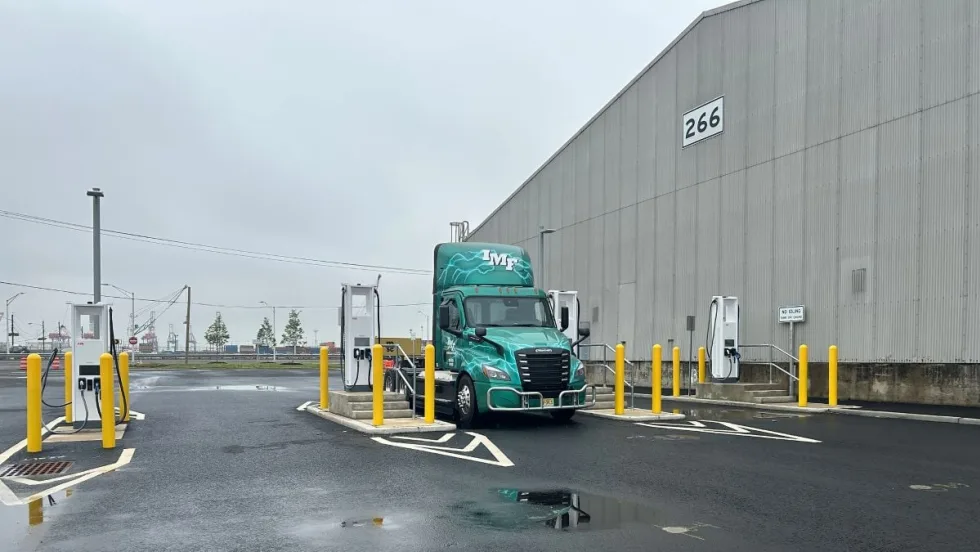
East Coast Port Launches $45M Electric Truck Push
The Port Authority of New York and New Jersey announced millions in incentives for zero-emission drayage trucks, yard tractors, and new charging hubs near the port.
Read More →