




Related: Would You Drive for Your Fleet?
Large Carriers Lead in Rates, Revenue and Retention
Large carriers lead the trucking industry on several key metrics including per-mile rates, driver retention, and revenue-per-driver, according to a recent survey conducted by transportation consultation firm Katz, Sapper & Miller.
by Staff
October 12, 2015
2 min to read
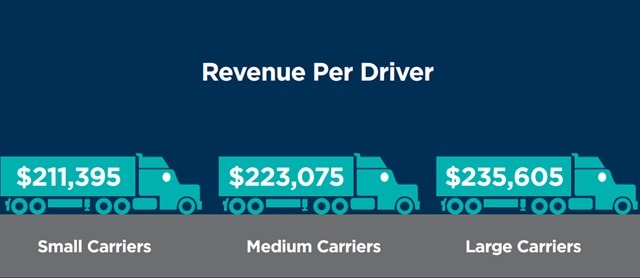
Graphic via Katz, Sapper & Miller
Large carriers lead the trucking industry on several key metrics including per-mile rates, driver retention, and revenue-per-driver, according to a recent survey conducted by transportation consultation firm Katz, Sapper & Miller.
While large carriers had the longest length of haul, averaging 600 miles, they also posted the highest rate-per-mile. Large carriers averaged $2.28 per mile while medium carriers averaged $2.00 per mile and small carriers averaged $1.96.
Large carriers averaged $235,605 of revenue per driver, according the survey, which was more than $10,000 higher than in medium-sized carriers and nearly $25,000 more than in small carriers. The survey also found a correlation in trailer-to-truck ratio that indicated that larger fleets were more successful at using their assets.
In addition to operating more efficiently than smaller carriers, large carriers also had a more diversified revenue stream. While small carriers attributed as much as 63% of revenue to its top five customers, large carriers were much less reliant on top customers, making up only 28% of total revenue.
When it comes to retention, large carriers typically have more driver turnover but that changes after a year, according to the survey. It found that after 12 months, large carriers retain more of their drivers than both medium and small carriers. Without giving specific reasons for the higher retention, the survey found that the average age of tractors at small large fleets tended to be younger than those at medium and small carriers and noted that large carriers have made efforts to increase driver pay.
"The results from this year's survey indicate that large carriers are leading the field in terms of rate per mile, long-term driver retention and revenue per driver," said Tim Almack, partner-in-charge of KSM's Transportation Services Group. "By analyzing the correlations between carrier size and certain performance metrics, our findings provide clues on how the large carriers are mastering the game."
The survey was collected using data from fleets using McLeod LoadMaster Enterprise and represented 51 carriers and over 63,000 trucks. Carriers of all sizes were represented in the survey. Small carriers were considered those with 100 trucks or less, medium carriers had 101-500 trucks, and large carriers had 501 trucks or more. There were 18 small carriers, 21 medium carriers and 12 large carriers included in the survey.
To learn more, click here.
More Fleet Management
Where Electric Trucks Can Charge Now
New depots and truck-stop chargers gave electric trucks more places to plug in in 2026. Here’s where fleets can charge today, how megawatt charging works, and which freight routes to watch in 2027.
 Discuss with peers

Truck Tonnage Slips, Carrier Outlook Improves
For-hire truck tonnage fell 1.8% in October but was higher than a year earlier, and FTR raised its outlook for carriers for at least the next three quarters.

New Independent Contractor Rule Gives Trucking More Clarity
The Labor Department is once again changing how it determines who's an independent contractor. This time, the rule includes specific examples addressing trucking safety requirements, CDLs, and lease-purchase agreements.
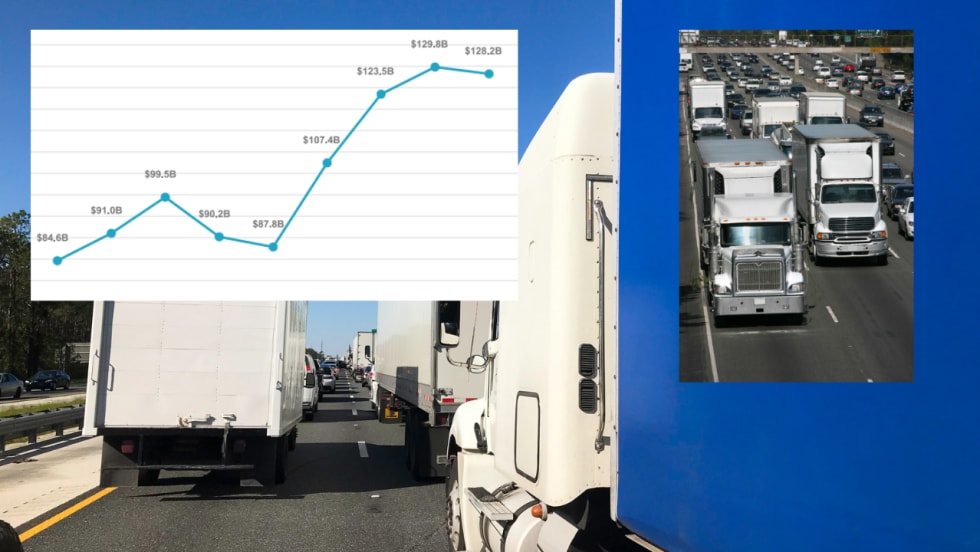
Trucking's Annual Congestion Costs Reach $128.2 Billion
That's the average cost, according to new ATRI research. And the wasted time and diesel are staggering.

How to Modernize Your TMS Without Replacing It [Podcast]
Before investing in a new transportation management system, take a closer look at what you've already got. AI, cloud technology and better integrations may offer ways to improve your trucking operations without starting over.

Could Your Truck's Connected Devices Be a Cybersecurity Risk?
ELDs, telematics systems and driver tablets help fleets operate more efficiently. But every connected device needs protection against cyberattacks.
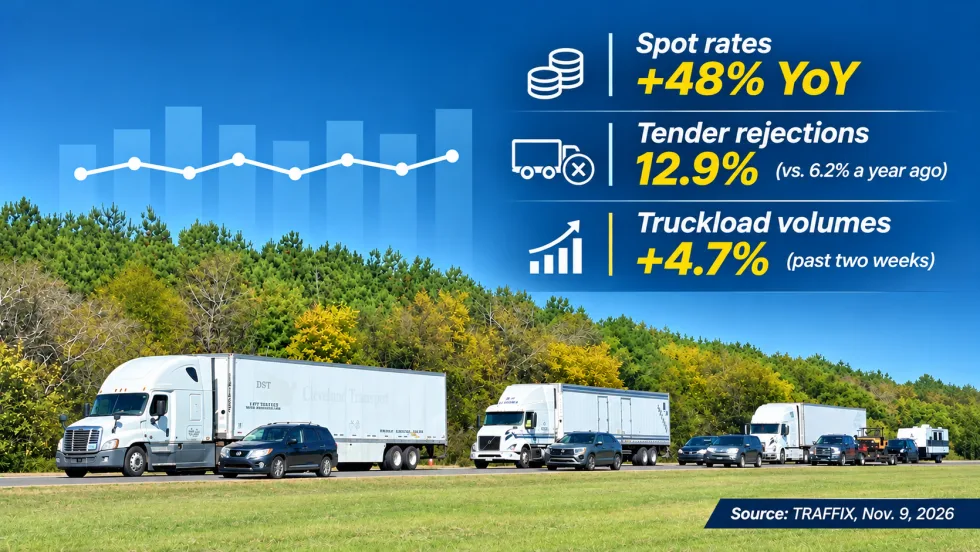
Holiday Freight Meets a Tight Trucking Market
There's no freight boom, but truckload carriers are finding themselves in a stronger position to negotiate rates. And holiday shipping demand could tighten the market further.
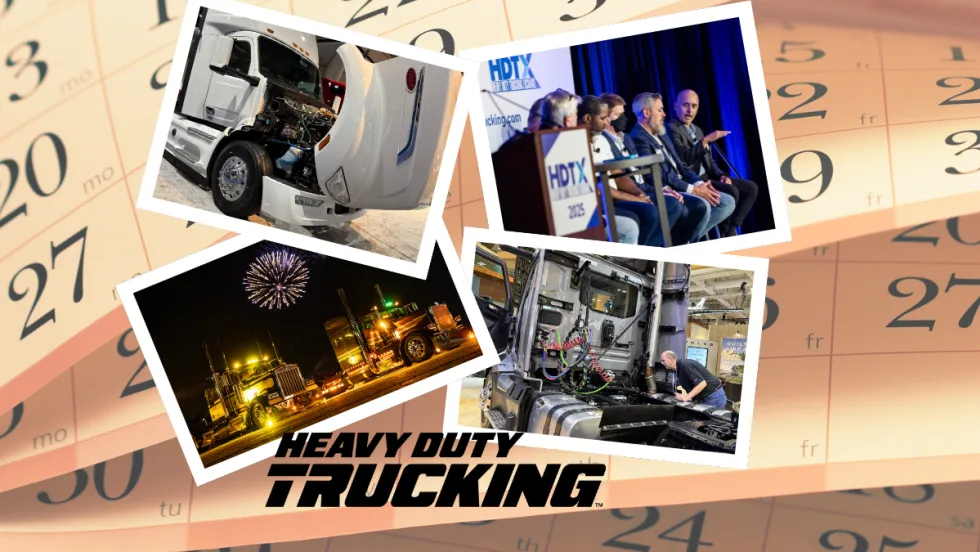
What Trucking Events are Happening in 2027?
Looking for trucking-related conventions, expos, and other events? Heavy Duty Trucking has developed this list of national and larger regional trucking shows and events.
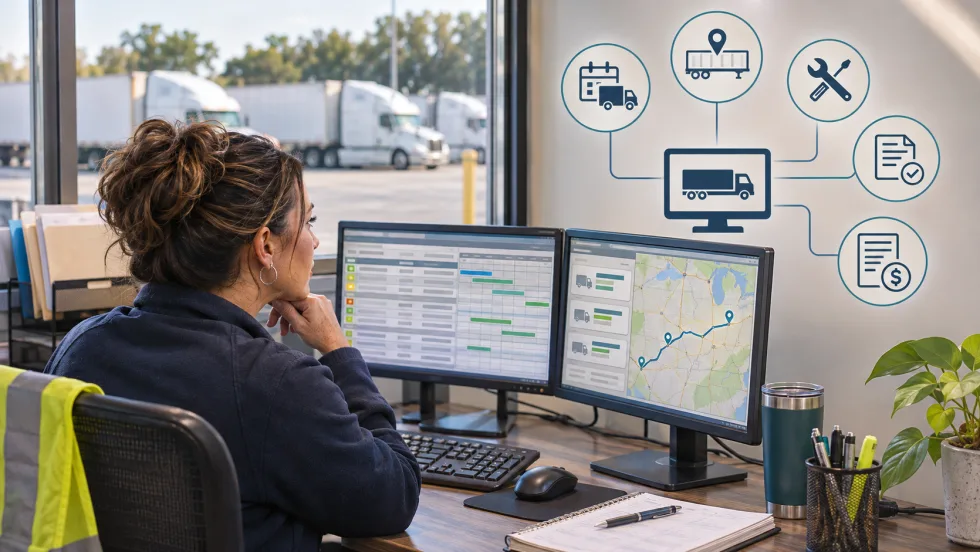
Does Your Trucking Fleet Need a New TMS?
Artificial intelligence and better integrations promise less busywork and more useful data. Can your TMS help your company solve problems? Do you need additional vendors or an upgrade? Or is it time to look for a new platform?
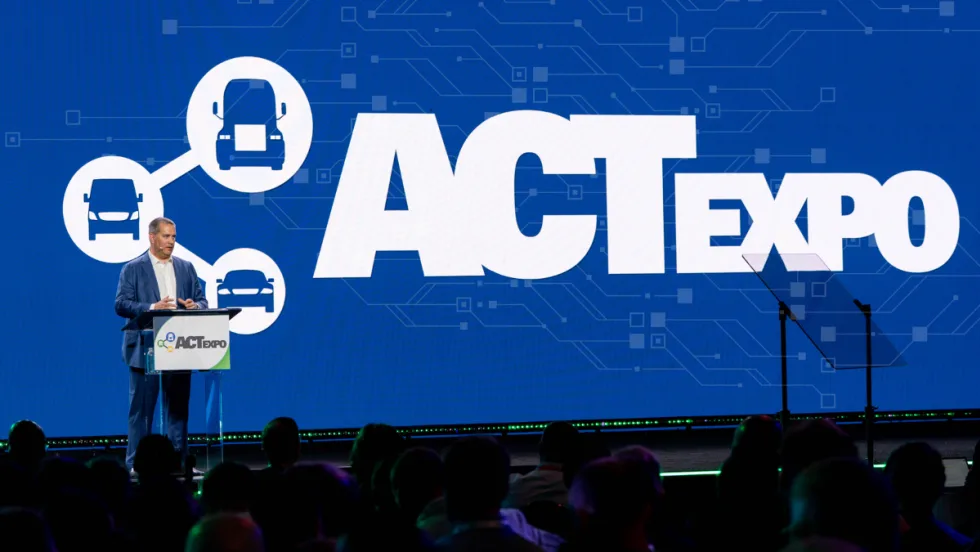
Fleet Costs Shape ACT Expo 2027 Agenda
With diesel prices high and operating expenses under pressure, ACT Expo's 2027 agenda emphasizes fuel efficiency, AI, safety and the return on fleet technology investments.