




Operational Costs Rise Despite Falling Fuel Prices
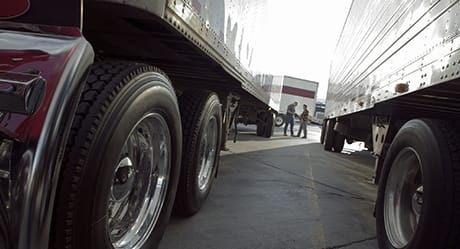
Rising equipment costs and driver wages led to an increase in operational costs in 2014, according to a comprehensive report from the American Transportation Research Institute.
Rising equipment costs and driver wages led to an increase in operational costs in 2014, according to a comprehensive report from the American Transportation Research Institute.
ATRI’s report, An Analysis of the Operational Costs of Trucking, found that the average marginal cost per mile in 2014 was $1.70 compared with $1.68 in 2013. This comes despite decreasing fuel costs in the same period of time.
Increases in truck and trailer lease and purchase payments were at the root of the cost per mile increase, especially in the specialized sector. This was largely due to increases in freight demand that required many carriers to repair or replace older equipment.
The driver shortage also played a significant role by putting upward pressure on costs as carriers spent more money on recruiting and retaining drivers.
From 2013 to 2014, fuel dropped from 38% to 34% of the share of a carrier’s average total cost, the lowest it had been since 2010. However the share of costs from equipment rose from 10% to 13%. There was a slight increase in the cost share of driver wages from 26% to 27%.
Specialized carriers had the highest cost per mile in 2014 at $1.85 due to an increase in specialized truck and trailer lease costs as well as an increase in insurance costs.
Specialized carriers also reported the highest average driver wages at 51.6 cents per mile. Less-than-truckload carriers usually have the highest costs per mile and in 2014, those were slightly lower at $1.83. Truckload carriers had the lowest cost per mile at $1.58.
The annully updated ATRI cost analysis examines financial data provided by carriers to document and analyze trucking costs from 2008 through 2014.
The full report with a more complete breakdown of the numbers is available via the ATRI website.
More Fleet Management
Where Electric Trucks Can Charge Now
New depots and truck-stop chargers gave electric trucks more places to plug in in 2026. Here’s where fleets can charge today, how megawatt charging works, and which freight routes to watch in 2027.
 Discuss with peers
Truck Tonnage Slips, Carrier Outlook Improves
For-hire truck tonnage fell 1.8% in October but was higher than a year earlier, and FTR raised its outlook for carriers for at least the next three quarters.

New Independent Contractor Rule Gives Trucking More Clarity
The Labor Department is once again changing how it determines who's an independent contractor. This time, the rule includes specific examples addressing trucking safety requirements, CDLs, and lease-purchase agreements.
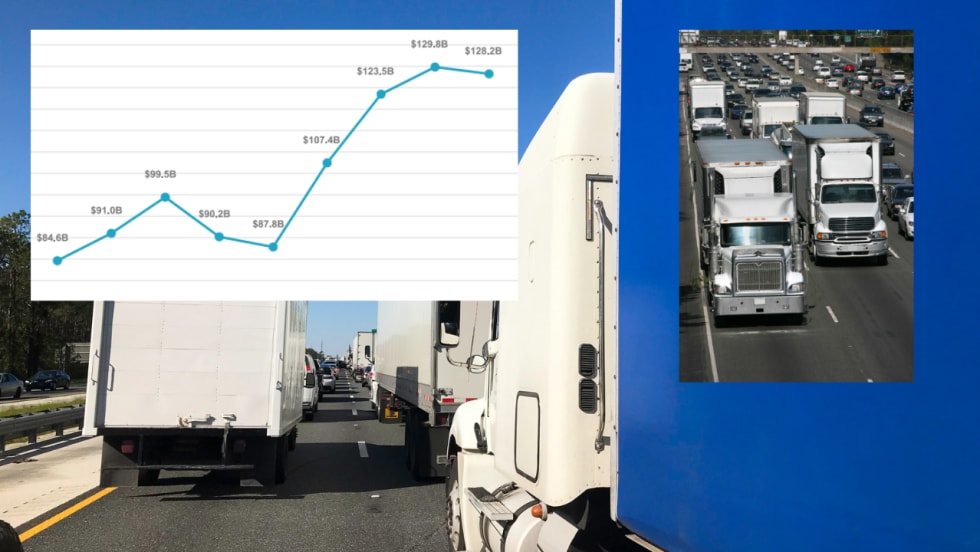
Trucking's Annual Congestion Costs Reach $128.2 Billion
That's the average cost, according to new ATRI research. And the wasted time and diesel are staggering.

How to Modernize Your TMS Without Replacing It [Podcast]
Before investing in a new transportation management system, take a closer look at what you've already got. AI, cloud technology and better integrations may offer ways to improve your trucking operations without starting over.

Could Your Truck's Connected Devices Be a Cybersecurity Risk?
ELDs, telematics systems and driver tablets help fleets operate more efficiently. But every connected device needs protection against cyberattacks.
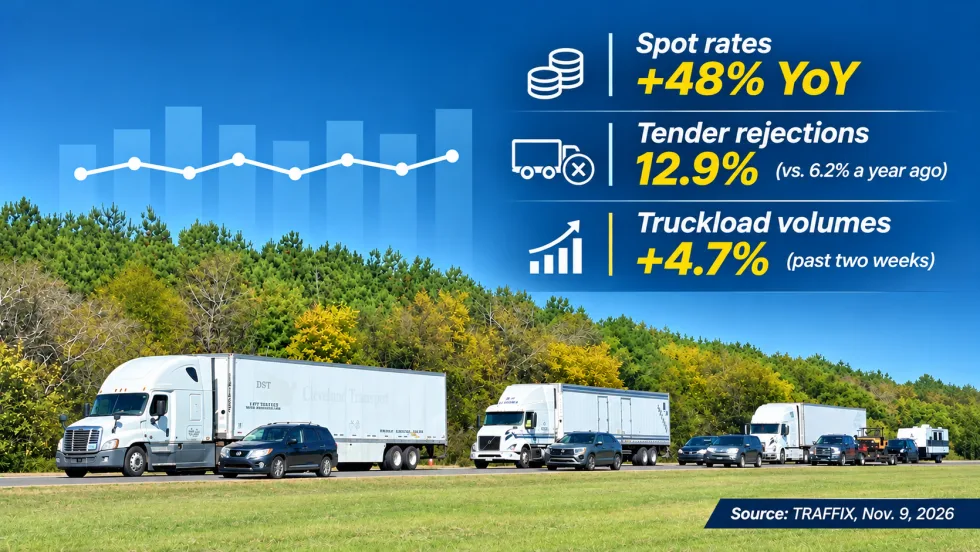
Holiday Freight Meets a Tight Trucking Market
There's no freight boom, but truckload carriers are finding themselves in a stronger position to negotiate rates. And holiday shipping demand could tighten the market further.
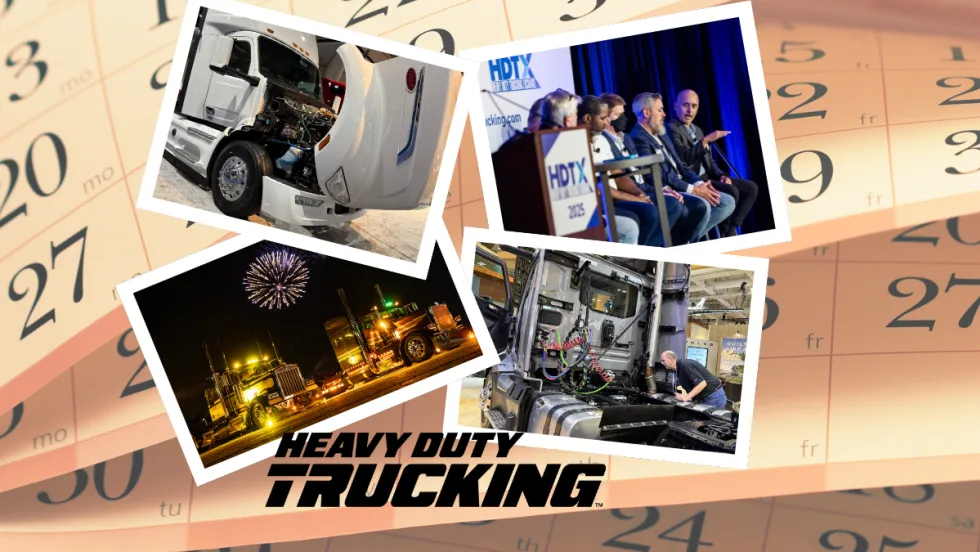
What Trucking Events are Happening in 2027?
Looking for trucking-related conventions, expos, and other events? Heavy Duty Trucking has developed this list of national and larger regional trucking shows and events.
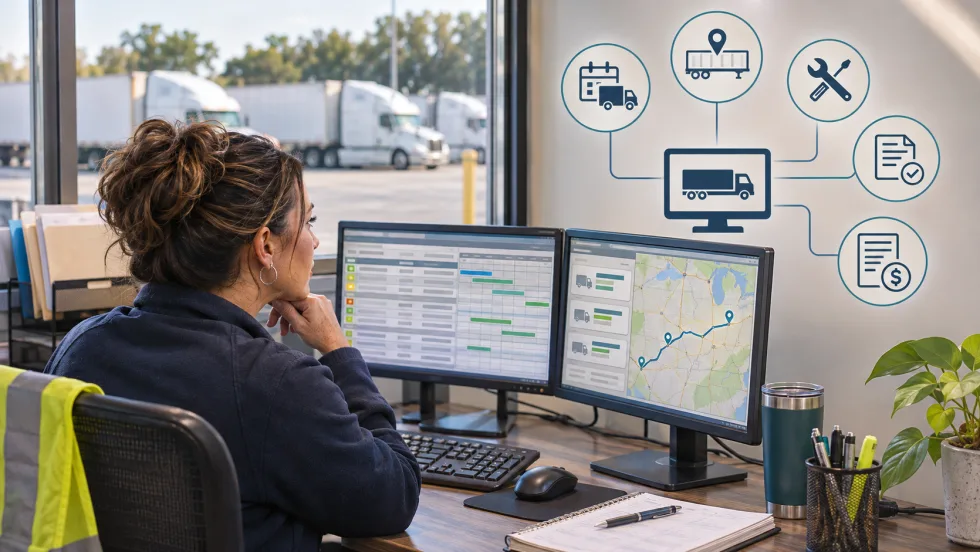
Does Your Trucking Fleet Need a New TMS?
Artificial intelligence and better integrations promise less busywork and more useful data. Can your TMS help your company solve problems? Do you need additional vendors or an upgrade? Or is it time to look for a new platform?
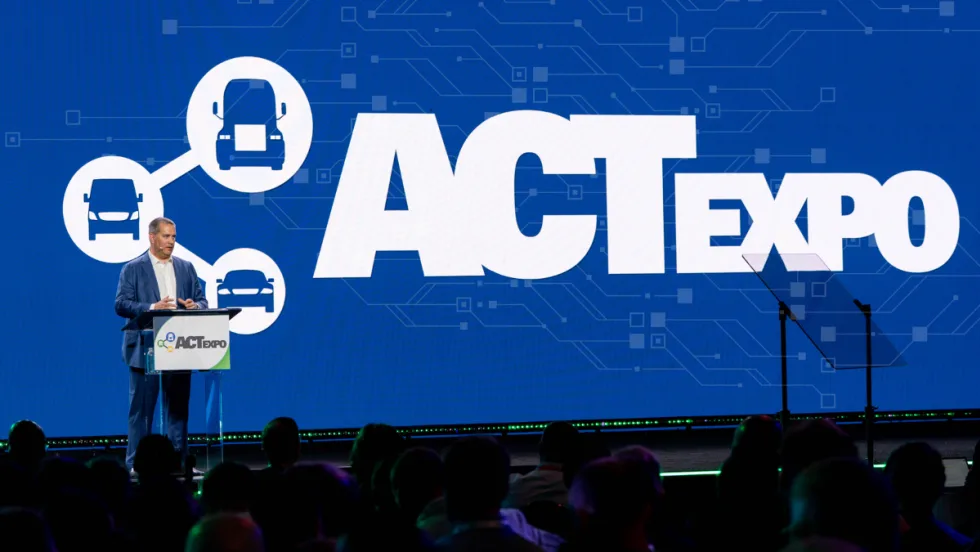
Fleet Costs Shape ACT Expo 2027 Agenda
With diesel prices high and operating expenses under pressure, ACT Expo's 2027 agenda emphasizes fuel efficiency, AI, safety and the return on fleet technology investments.