




Related: Fleet Technology Awards Announced
Heavy-Duty Fleet Technology Expo Awards Announced
Many fleets were honored but only six took the top honors of the HDT Efficiency and Sustainability awards at the 2015 Fleet Technology Expo at an Aug. 26 ceremony.
by Staff
August 26, 2015
Photo by Kareem Girgis
2 min to read

Photo by Kareem Girgis
Many fleets were honored but only six took the top honors of the HDT Efficiency and Sustainability awards at the 2015 Fleet Technology Expo at an Aug. 26 ceremony.
Scott Ruder from Con-way Freight, Kirk Welch from Toyota, and Tim Harris from Celadon Trucking Services were given awards for HDT Efficiency. Steve Saltzgiver from Republic Services, Stephen Silverman from Raven Transport, and Scott Perry from Ryder System received the awards for HDT Sustainability.
Con-way Freight has worked to improve its fleet's fuel efficiency year-over-year by improving truck specs every year. Con-way has also incorporated an onboard scorecard that shows drivers how fuel efficient their driving was that day, which encourages a spirit of competition among drivers to see who drives most efficiently, according to the company.
Welch has been instrumental in Toyota’s efficiency. His use of data analytics, variance analysis and OEM/component market research has reduced emissions and improved fuel economy within Toyota’s fleet, according to the company.
Celadon’s use of battery-powered auxiliary power units, driver incentives, and strict enforcement of its idle policy has significantly reduced its moving average fleet idle time. In July 2010, idle time for its vehicles sat at 49.2%. In July 2014, that number dropped to 17.6%. That month alone saved the company 18.5 million gallons of diesel, according to the company.
Republic Services is deploying over 300 CNG trucks a year, building two to three stations a year, and purchasing 500 clean diesel trucks in its goal of reducing GHG by 3% by 2020. Out of its fleet of 16,000, over 10% are sustainable vehicles that run on alternative fuel, according to the company.
Silverman helped Raven Transport save fuel by installing APU units on sleeper trucks to reduce idle times. He later switched many of Raven Transport’s fleet vehicles to LNG units, improving sustainability, according to the company.
Ryder is a charter member of the NGV Fleet Forum and a member of the Department of Energy’s National Clean Fleets partnership. It was also one of the first national fleets to introduce low emission technologies to the truck rental and leasing industry, according to the company.
More Fleet Management
Can You Beat Our Trucking Trivia Challenge?
Test your truck knowledge with 19 trivia questions from Heavy Duty Trucking Exchange. Can you keep up with the fleet pros?
Read More →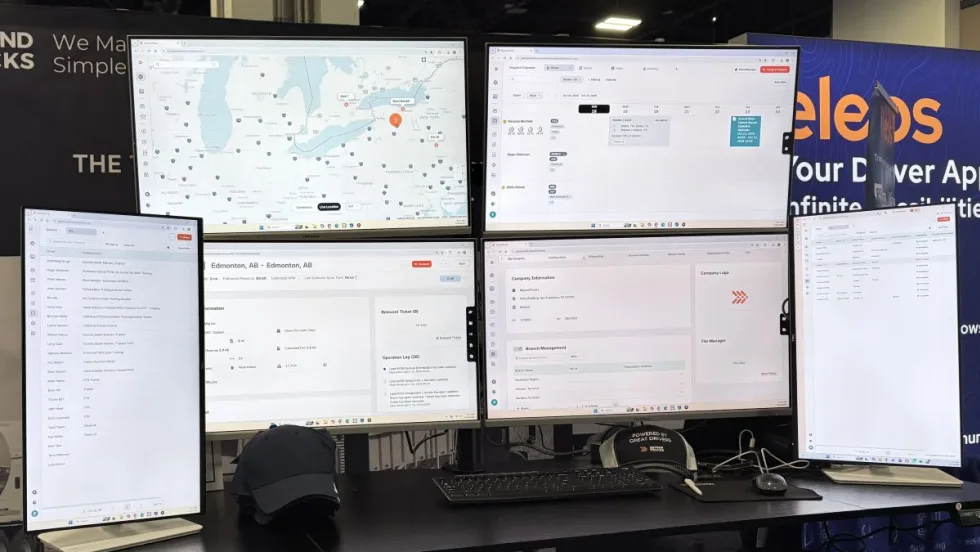
BeyondTrucks Adds Rules Checks to Dispatch
New Compatibility Engine checks driver qualifications, equipment requirements and fleet policies before loads are dispatched.
Read More →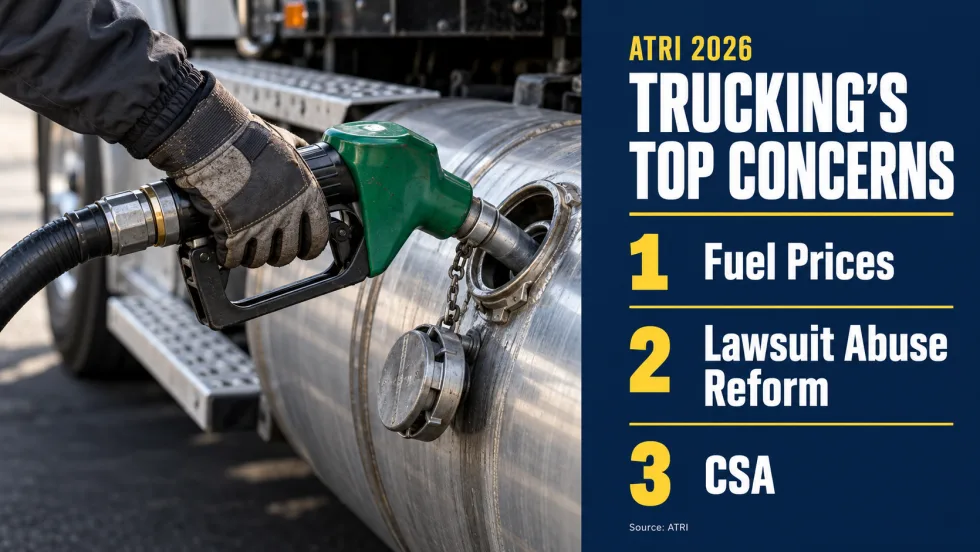
Diesel Prices Hijack Trucking’s Worry List
ATRI’s annual survey finds cautious optimism about freight, but diesel costs, litigation, and insurance continue to squeeze fleets. Drivers have different priorities on several issues.
Read More →
Nomination Deadline Extended for HDT Emerging Leaders
Just a few more days to nominate accomplished trucking fleet professionals under 40 who are making an impact and helping lead the industry forward for the HDT Emerging Leaders award. Deadline extended to October 20!
Read More →
What Will ATA’s New Leader Bring to Trucking's Table?
Incoming President and CEO Mark Colson’s record in Alabama offers clues about his priorities and approach following Chris Spear’s abrupt departure as the head of the American Trucking Associations.
Read More →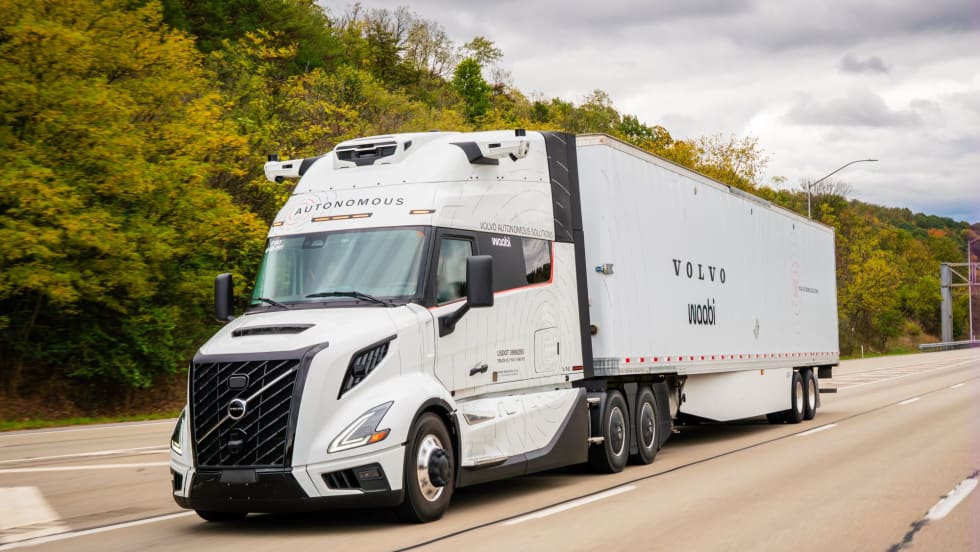
Volvo, Waabi Start Commercial Autonomous Operations in Texas
Volvo VNL Autonomous trucks, powered by the Waabi Driver, are hauling freight directly to third-party facilities for a customer in Texas.
Read More →
Samsara Launches Custom AI Agent Builder
Agent Studio lets fleets create AI tools for hours-of-service monitoring, reporting and driver support, including agents that communicate by phone.
Read More →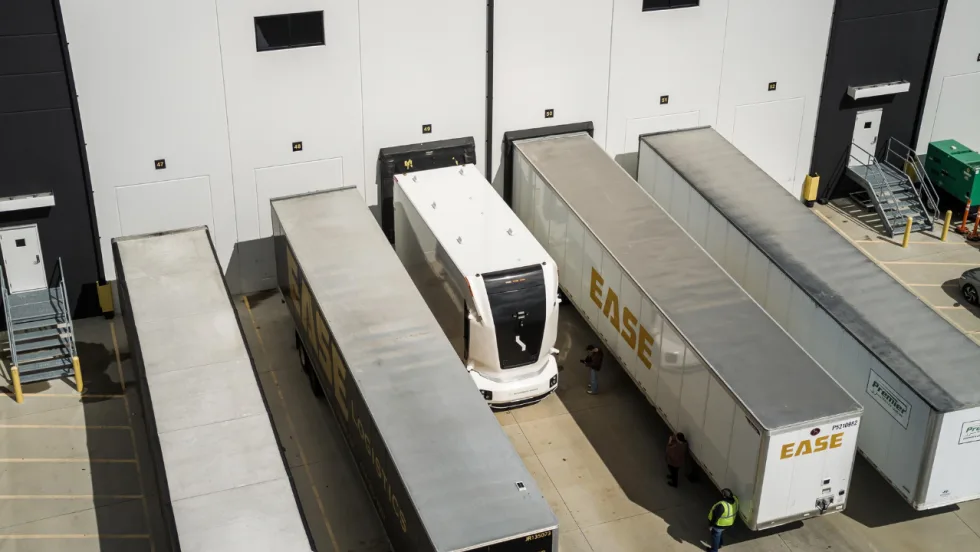
Einride Driverless Electric Trucks Begin Daily Freight Operations in Ohio
Two cabless electric trucks are hauling freight between EASE Logistics facilities in Marysville, Ohio, as part of a multi-state truck automation project.
Read More →
Geotab Links Fleet Card to Vehicle Data
The new card combines fuel discounts with telematics-based purchase controls. Geotab’s analysis also points to potential savings from choosing lower-priced fuel stops.
Read More →
How MFA Helps Protect Trucking Fleets
Multi-factor authentication adds protection when passwords are stolen. Here’s how it works and where fleets should start.
Read More →