




Volvo Joins Daimler in Skipping 2016 MATS
Volvo Trucks has followed the lead of competitor Daimler Trucks North America in deciding not to participate in next year's Mid-America Trucking Show in favor of a biennial schedule.

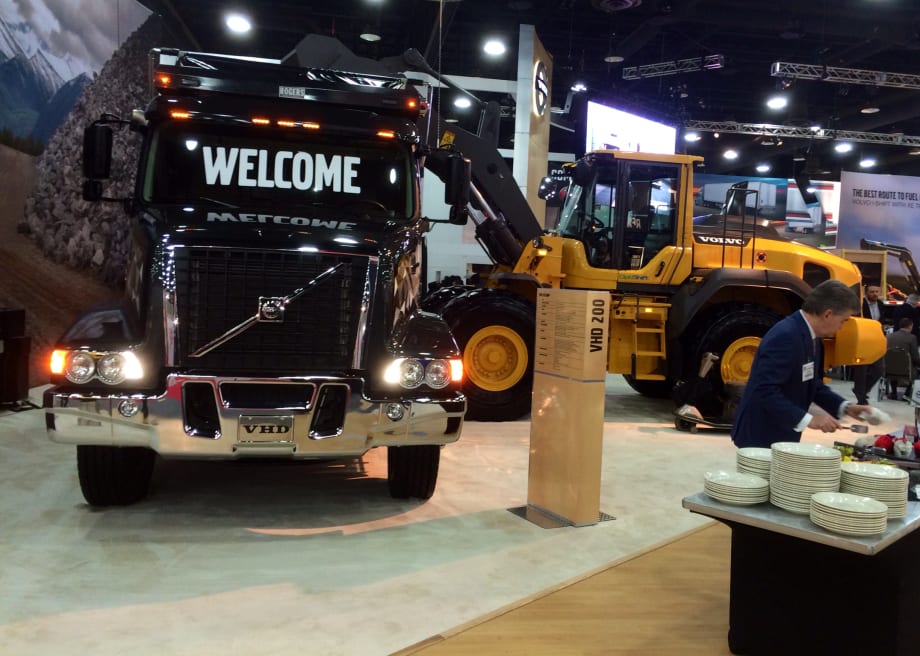
Volvo at this year's MATS. Photo: David Cullen

Volvo Trucks has followed the lead of competitor Daimler Trucks North America in deciding not to participate in next year's Mid-America Trucking Show in favor of a biennial schedule.
In May, Daimler Trucks North America said it will not be exhibiting at the Mid-America Trucking Show in 2016, saying it is moving to an every-other-year format similar to the IAA Commercial Vehicles show in Germany.
DTNA intends to return to MATS in 2017 and attend the show bi-annually thereafter.
Volvo echoed Daimler's comments Monday.
"We believe that a show like MATS would benefit from a biennial calendar in the same way that IAA in Germany is held every second year," said Volvo spokesman Avery Vise in an emailed statement. "MATS is an important industry event, and because we believe the industry would benefit from a biennial schedule, we intend to participate in 2017."
The Mid America Trucking Show has been held every year at the Kentucky Fair and Expo Center in Louisville, Ky., since it was founded in 1972, and is the largest such trucking show in the U.S.
Saying Volvo's presence will be missed, MATS spokesman Toby Young said in an email, "We knew there was a chance that other truck OEMs may follow DTNA's lead and that the most likely candidates were those that have a significant presence at IAA Commercial Vehicles. Less than 10% of MATS exhibitors participate in IAA Commercial Vehicles and we feel that many of the exhibitors we have in common will continue to support both shows and provide support for both markets in 2016."
MATS organizers Exhibit Management Associates will continue as planned with sales for the 2016 show, beginning on July 15 for returning companies.
The missing companies could mean an opportunity for other exhibitors, Young pointed out.
"We remain hopeful that the other OEMs and suppliers will have a presence at the 2016 MATS and will see this as an opportunity to improve their locations, possibly increase their presence at MATS, and take advantage of the absence of some of the other manufacturers," Young said.
So far, other major truck makers say they are still evaluating their plans for next year:
At Volvo sister company Mack, John Walsh, Mack vice president of marketing, said in an email, "We are currently assessing our plans for trade shows in 2016 to make sure our efforts meet the needs of our customers and bring the most value to Mack. This evaluation process, which we complete each year for every opportunity, is still ongoing."
Peterbilt, too, says it is "still planning and evaluating our 2016 marketing initiatives, including trade shows," and Navistar also says it has not yet made a decision on MATS 2016. Kenworth officials declined a request for comment.
More Equipment
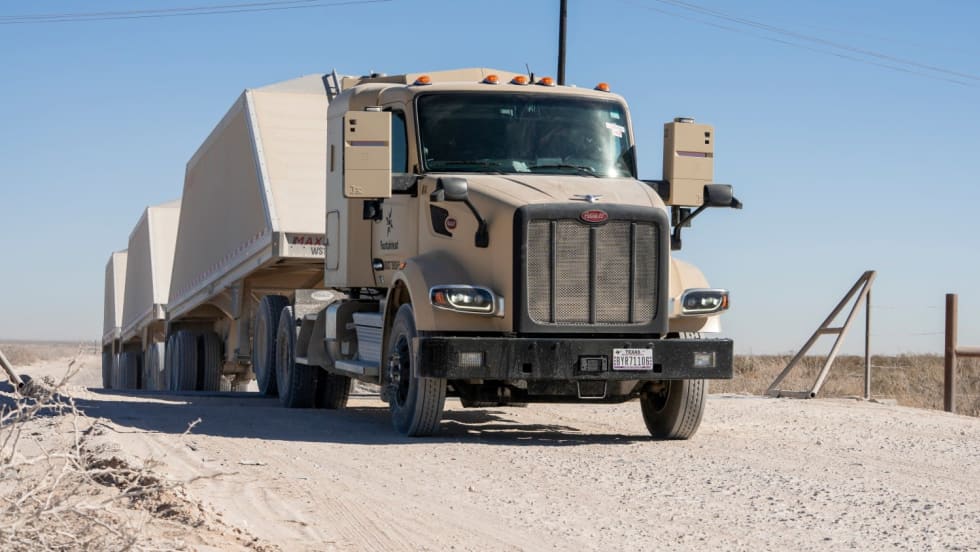
Atlas Expands Kodiak Driverless Truck Fleet in Permian Basin
Atlas Energy Solutions is expanding autonomous frac sand hauling in the Permian Basin with a second load-out location and plans for 100 driverless trucks by mid-2027.
Read More →
Putting Mack’s Command Steer to the Test
A test drive of Mack’s Command Steer active steering system evaluates how it can make truck driving easier and less tiring.
Read More →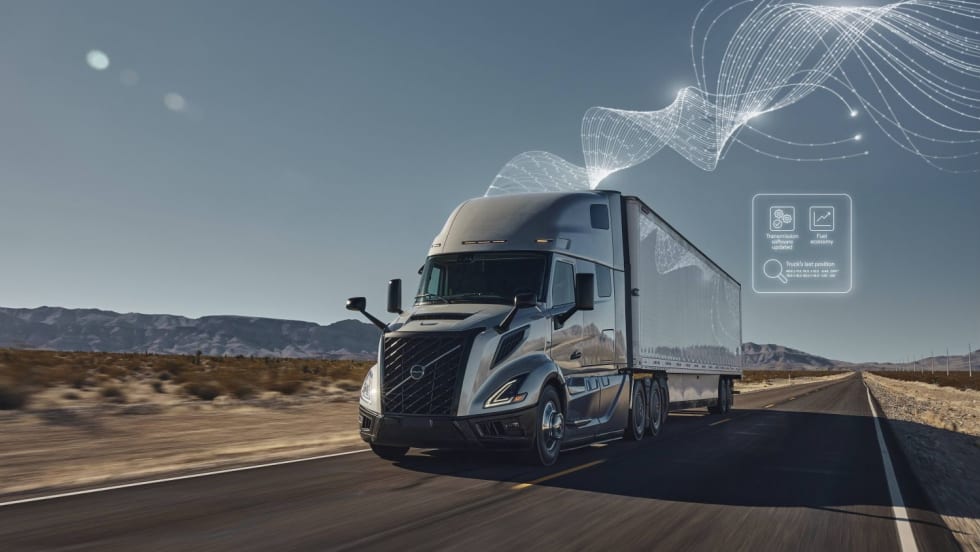
Mack, Volvo Expand DEF Derate Software Updates
The updated software gives Mack and Volvo truck owners more time to address DEF-related issues before the engine derates or the vehicle goes into reduced-speed inducement, following new EPA guidance.
Read More →
Rush, MCT Team Up to Grow Refrigeration Service Network
The joint venture will operate MCT's network of Carrier Transicold dealerships and mobile service locations, with the companies promising greater service capacity and uptime for refrigerated fleets.
Read More →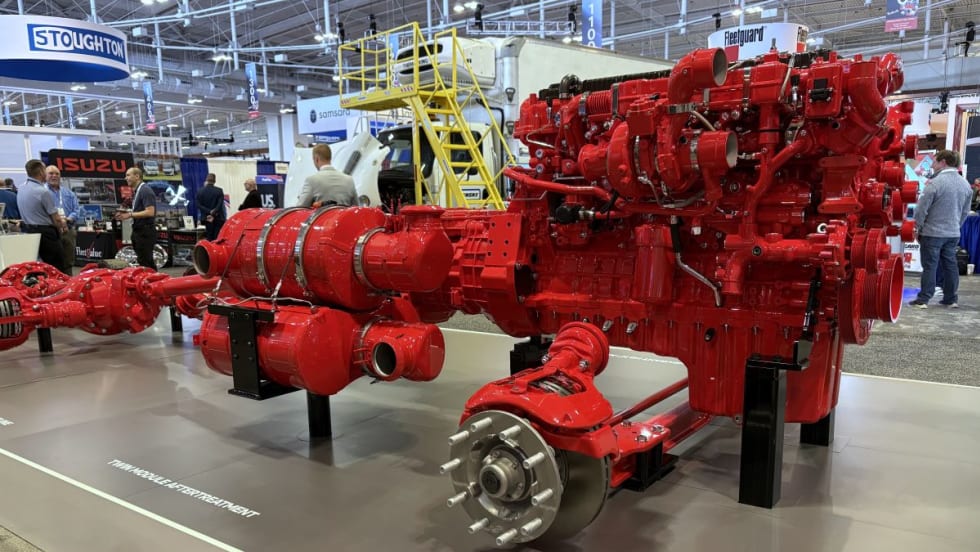
Cummins Adjusts 2027 Engine Rollout After EPA Proposal
The engine maker will gradually introduce its new Model Year 2027 diesel engines while continuing to offer current models during the transition, citing the EPA's proposed emissions rule changes.
Read More →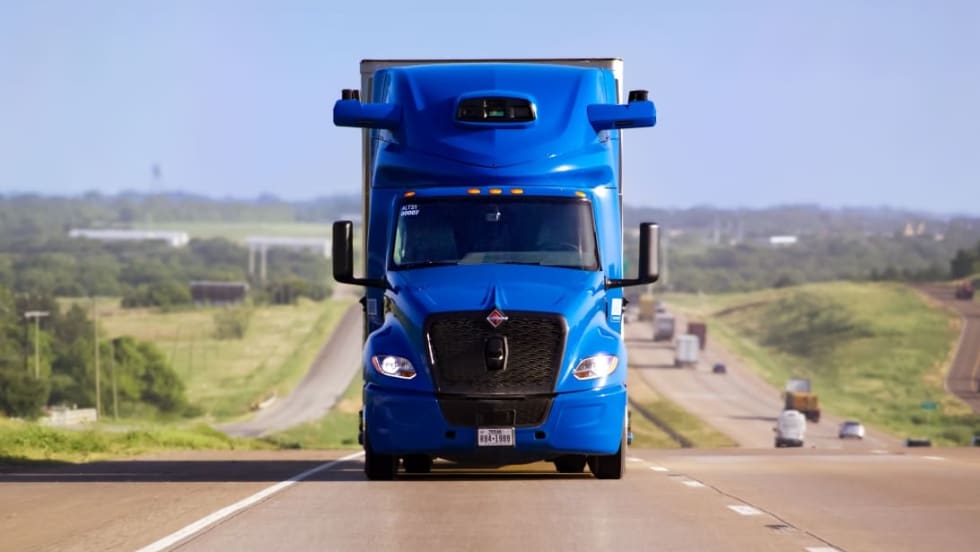
Aurora Rolls Out Next Generation of Driverless Trucks for Commercial Freight
Aurora's latest autonomous trucks it's rolling out with International feature lower-cost hardware designed for a million miles as the company expands commercial driverless freight operations across the U.S. Sun Belt.
Read More →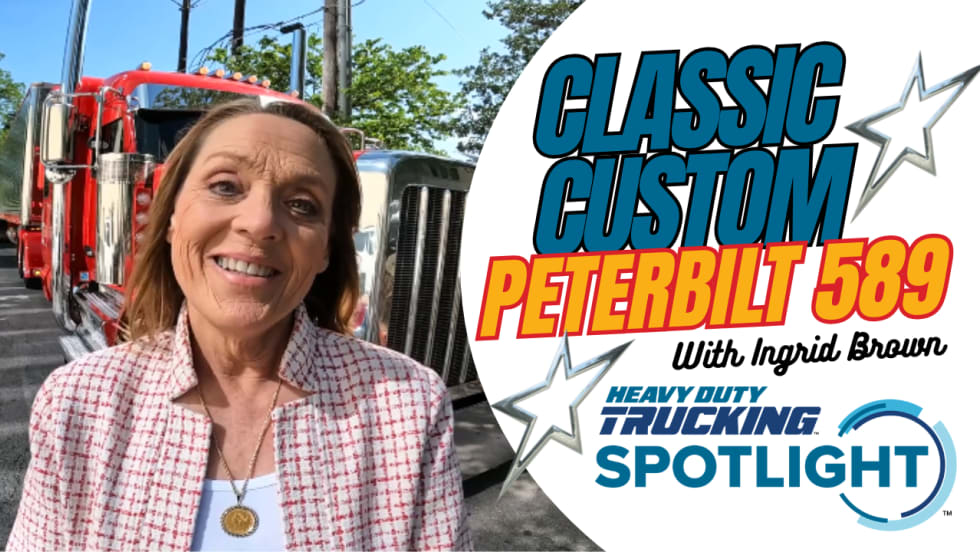
Peterbilt 589 Spotlight: A Close Look at a Custom Working Truck [Video]
There's more to this customized Peterbilt Model 589 and Great Dane refrigerated trailer than chrome and stainless (although there's plenty of that too!) A veteran driver explains the design choices and practical features behind this working truck.
Read More →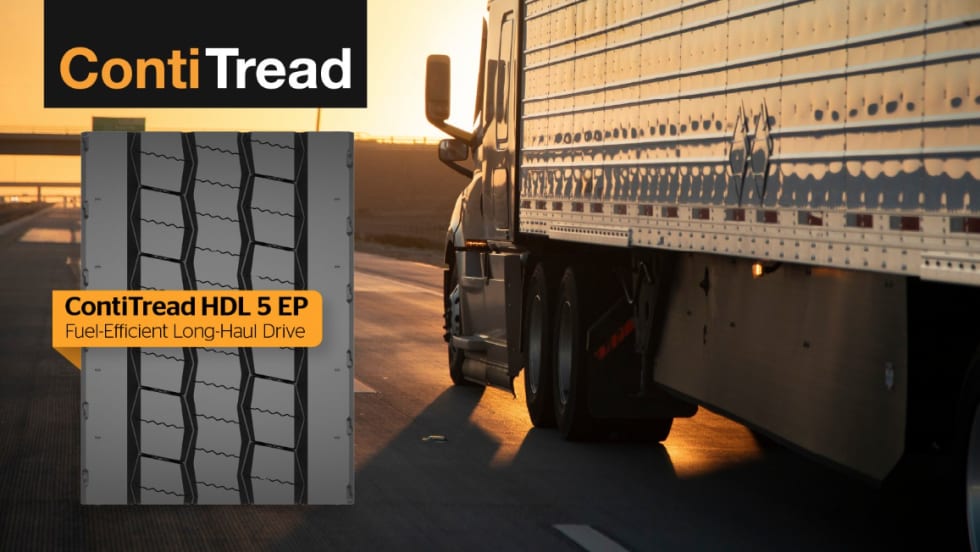
Continental Expands Retread Lineup With New ContiTread HDL 5 EP
New long-haul drive retread is designed to improve fuel efficiency, extend tread life, and lower fleets' cost per mile.
Read More →
EPA Proposal Could Ease 2027 Truck Costs and Buying Uncertainty
The proposal doesn't change the tougher NOx standard, but it would revise key implementation requirements that manufacturers say have driven up costs and complicated fleet purchasing decisions.
Read More →
Cummins, Paccar Ease DEF Derates After EPA Guidance
Updated diesel engine software gives truck operators more time to address emissions-system issues while staying compliant with EPA emissions standards.
Read More →