




Bill Would Authorize Governors to Intervene in Port Strikes
A bill introduced on June 5 would expand the powers granted by the Taft-Hartley Act regarding labor disputes at U.S. ports allowing state governors the intervention powers currently reserved for the President.

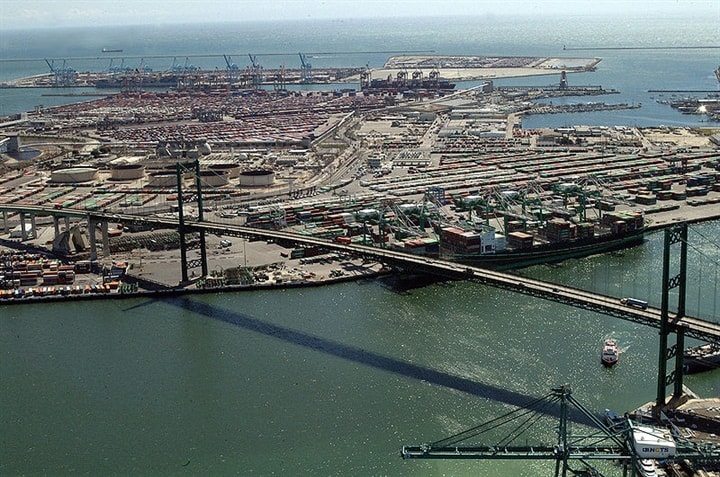
Photo: Port of Los Angeles
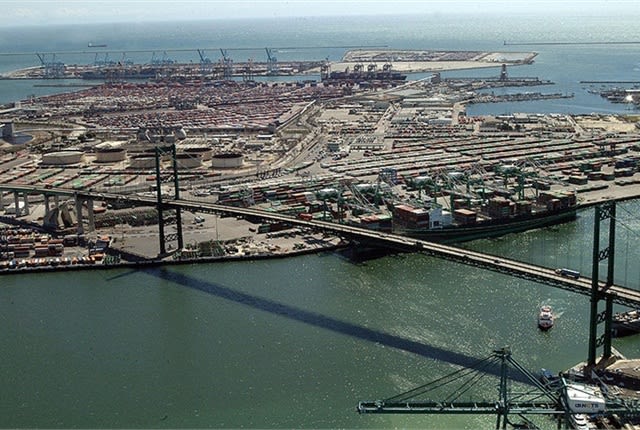
Photo: Port of Los Angeles
A bill introduced on June 5 would expand the powers granted by the Taft-Hartley Act regarding labor disputes at U.S. ports.
The Protecting Orderly and Responsible Transit of Shipments (PORTS) Act would grant to state governors the intervention powers currently reserved for the President “whenever a port labor dispute is causing economic harm” and it would define “labor slowdowns” as well as strikes as triggers for invoking Taft-Hartley provisions by the President or by governors.
More specifically, the measure would enable governors when faced with “slowdowns, strikes, or lockouts at ports in their states” to convene a board of inquiry. Once such a board reports, governors could petition federal courts to enjoin against job actions rather than wait for the President to act under Taft-Hartley.
The PORTS Act is co-sponsored by Sen. Cory Gardner (R-CO) and Sen. Lamar Alexander (R-TN). In a statement, they said the bill was needed because “labor disputes at our ports disrupt trade and hurt local and national economies,” and noted that “Many economists, including the Federal Reserve Board of Governors, cited the most recent West Coast ports dispute as a primary cause of a 0.7 percent decline in GDP in the first quarter of 2015.”
“This year’s slowdown at West Coast ports demonstrated the disastrous consequences that labor disputes at our ports can have on businesses, consumers, and the entire economy,” said Sen. Gardner. “Labor union bosses should not be allowed to hold the economy hostage, nor should they be allowed to use the livelihoods and jobs of millions of Americans as bargaining chips. This Act would empower local leaders, who are most affected by these port disruptions, to apply pressure to their state governments to bring these damaging disputes to an end.”
“A labor dispute at one of our ports can cause significant damage to U.S. employers and to our economy – the recent nine-month dispute at the West Coast ports made it difficult for auto manufacturers and suppliers in Tennessee to keep production lines running,” Sen. Alexander said. “This legislation will empower state governors to take steps to resolve port labor disputes and avoid economic disaster if the president is unwilling to act.
Last month, members of the International Longshore and Warehouse Union ratified by an overwhelming margin the tentative contract agreement reached in February-- after more than nine months of negotiations-- with the Pacific Maritime Association. The new five-year contract will cover 13,000 workers at all 29 West Coast ports.
Per the co-sponsors, the bill is supported by an array of business lobbies, including the National Retail Federation, the U.S. Chamber of Commerce, the National Association of Manufacturers and the Agriculture Transportation Coalition.
“The nation’s retailers and supply chain community wholeheartedly endorse and support the PORTS Act,” said David French, National Retail Federation senior vp for government relations. “Reforming the Taft-Hartley Act to empower governors to intervene in a port disruption will help the nation’s supply chain stakeholders and the millions of American jobs and workers who rely on the efficient flow of goods through our nation’s ports.”
Randy Johnson, senior vice president of Labor, Immigration, and Employee Benefits for the U.S. Chamber of Commerce said the PORTS Act “will not interfere with the labor management negotiations necessary, and appropriate, to resolve disputes between the parties, but will provide a type of failsafe mechanism to limit damages to outside parties through revisions of the existing Taft-Hartley emergency procedures.”
“The U.S. cannot afford another collapse of our gateway container ports,” said Peter Friedmann, executive director of the Agriculture Transportation Coalition. “We cannot standby and wait for U.S. West Coast ports, which have now shut down twice over the past 13 years, to do it again when the recently approved ILWU- PMA contract expires in just four years, in 2019.”
More Fleet Management

How Telematics Improves Visibility, Control, and Performance in Refrigerated Fleets
Explore how telematics help refrigerated fleets improve visibility, uptime, efficiency, compliance, and cargo protection across connected cold chain operations.
Read More →
What the U.S.-Canada Trade War Means for Trucking
Escalating U.S.-Canada tariffs could disrupt cross-border freight, reduce truck volumes, raise costs, and create new uncertainty for carriers on both sides of the border.
Read More →
What Are Trucking’s Top Concerns for 2026?
The American Transportation Research Institute wants to know what's worrying trucking fleet managers, drivers, and other stakeholders in its annual Industry Issues survey.
Read More →

American Trucking Associations Looks for a New Leader
ATA President and CEO Chris Spear abruptly left his job at the association on August 21, at a pivotal time for the trucking industry.
Read More →
Public Wi-Fi Cybersecurity Risks: How Truck Drivers and Fleets Can Protect Their Data
Public Wi-Fi can expose truck drivers and fleets to credential theft, malware, and other cyber threats. Here’s how to reduce the risk on the road.
Read More →
For Nicky Cupp, Fleet Innovation Starts With Frustration
HDT Truck Fleet Innovator Nicky Cupp turns everyday pain points at Fraley & Schilling into opportunities for better technology and smarter processes.
Read More →
Adam Buttgenbach’s Approach to Electric Trucks: Start With Where They Fit
HDT Truck Fleet Innovator Adam Buttgenbach helped PepsiCo build one of North America’s largest EV fleets by focusing on where electric trucks make operational sense.
Read More →
Deen Albert: Let Automation Do the Math, People Make the Decisions
HDT Truck Fleet Innovator Deen Albert makes sure people are still at the heart of operations at Grand Island Express, even while adopting artificial intelligence tools. AI-assisted dispatch helped boost revenue 25% with the same number of trucks.
Read More →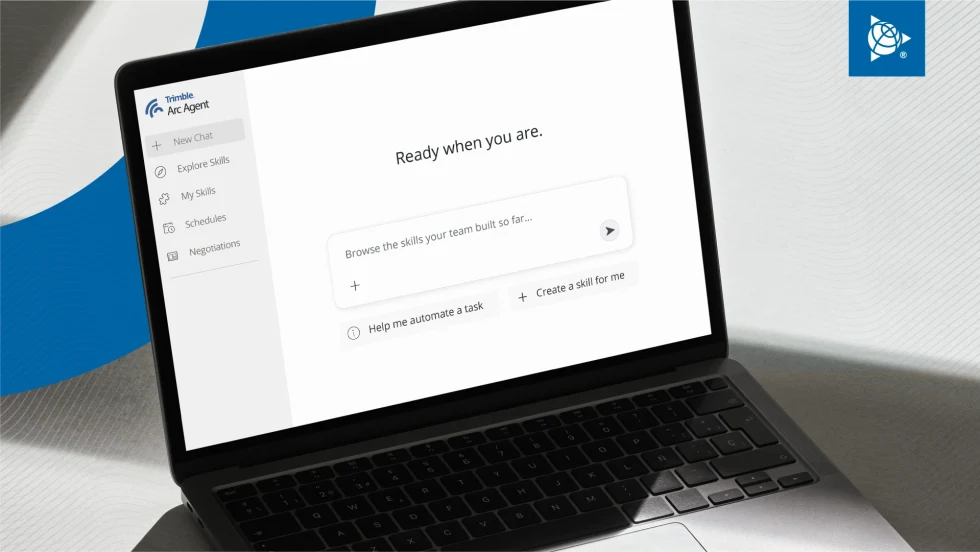
Trimble’s New AI Agent Takes Aim at Fleet Back-Office Busywork
Arc Agent works across Trimble TMS products to automate repetitive tasks such as freight orders, maintenance, invoices, fuel costs and more.
Read More →
How HDT’s 2026 Truck Fleet Innovators Are Rethinking Fleet Operations
Meet five trucking leaders who are challenging assumptions, solving operational problems, and putting innovative ideas to work.
Read More →