




Perry: Economy Improving, But Volatile
The economy is in a “particularly volatile state,” with some saying it is going up while others think it is going down, according to Noel Perry, founder of Transport Economics, speaking at the ALK Transportation Technology Summit.

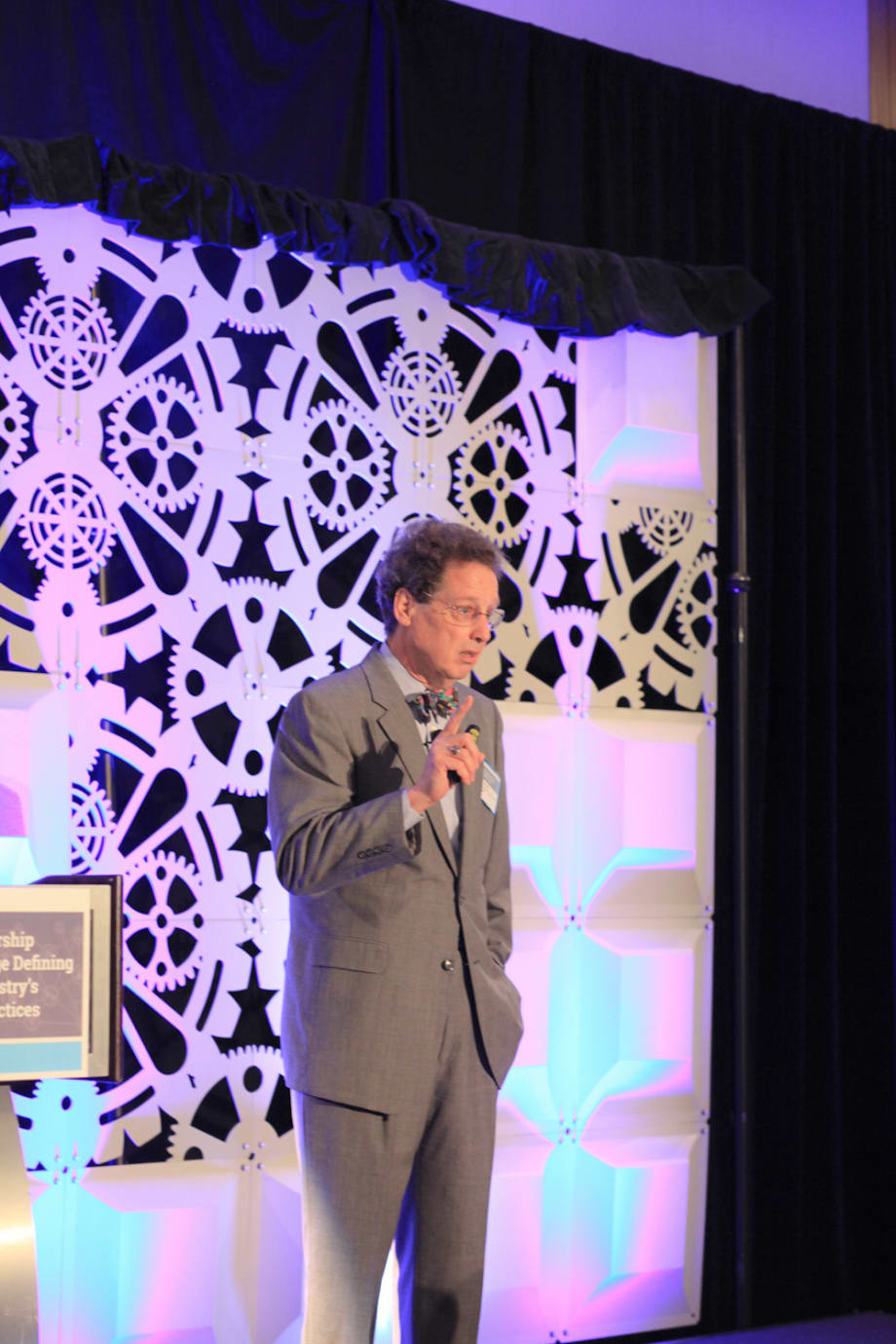
Noel Perry speaks at the ALK Transportation Technology Summit. Photo: Jim Beach

Noel Perry speaks at the ALK Transportation Technology Summit.Photo: Jim Beach
The economy is in a “particularly volatile state,” with some saying it is going up while others think it is going down, according to Noel Perry, founder of Transport Economics.
Speaking at the ALK Transportation Technology Summit held in Princeton, N.J., this week, Perry said he agrees with both sentiments. The recovery period from the most recent recession is taking longer than what has historically been the case, Perry added, noting that since the 1990s, we have been in a long cycle economy and that we could still be in recovery for three or four years.
But while the recovery from the recession has been weak, “this has been a strong freight recovery” and that despite the complaining about the weakness of the recovery, trucking has grown, he said.
On the other hand, in the later parts of this recovery, Perry said he is forecasting a reduced growth in the freight sector, particularly in the rail sector. Big carriers have not been growing by choice – with the large carriers running fewer trucks than they have been, and that has been by choice, he said.
He said the forecast for future growth is still “decent,” but it is not as strong and there are major downsides that could hamper growth. For one thing, the U.S.’s trading partners are not growing much and with tighter capacity, seasonality and shocks to the economy “count now” as the industry is slowly taking out surge capacity, which makes the industry more vulnerable to bad weather and other shocks in “ways it had not been in the past.”
And while a shortage of drivers and the economy have always played a role in truckload capacity, there will be increased pressure from regulations coming on line in the future. “Regulatory hiring pressure is expected to escalate,” Perry which will mean trucking will slowly increase its workforce as it becomes harder to qualify and hire drivers. Plus, there is the changing demographics problem with fewer a slower growth in the U.S. workforce.
The long-term trend is that there will be a long period of driver shortage and the result will be changes in how drivers are managed and compensated, he said. In this case, you don’t have to worry about the demand side, you have to worry about the supply side.”
The temporary suspension of the restart provisions in the hours-of-serve rules created a surplus, but Perry called that a “short-lived thing.”
Another regulatory hurdle to finding drivers he identified will be the drug and alcohol clearinghouse being established which will create “major one-time reduction in the driver pool because of failed drug tests drivers may have in their past.
These regulatory pressures may have good public policy reasons behind them, Perry said, but will have negative impacts on productivity.
Perry also noted that the trucking market has divided into two distinct segments: the contract market and spot market. The premium for going to the spot market for shippers in terms of rates was relatively minor during the 90s but now that premium is as much as 25% above contract rates.
Data collected by load-matching firms such as Truckstop.com or DAT, now allow trucking economists to estimate the effects of seasonality on freight volumes, with the spot market becoming a better barometer of market tightness than contract rates. “They (spot rates) say what is happening in the marketplace right now,” he said.
Energy prices will continue to fluctuate but overall, Perry said that “energy fundamentals are pretty darn good.” With the prices of oil dropping to due to a current glut of crude, drilling will slow until the prices rise to a point that makes economic sense for energy producers.
In the long term, Perry said that technology will drive a second trucking revolution with carriers realizing savings in several areas including risk costs, fuel costs, driver costs and overall productivity.
More Fleet Management

What the U.S.-Canada Trade War Means for Trucking
Escalating U.S.-Canada tariffs could disrupt cross-border freight, reduce truck volumes, raise costs, and create new uncertainty for carriers on both sides of the border.
Read More →
What Are Trucking’s Top Concerns for 2026?
The American Transportation Research Institute wants to know what's worrying trucking fleet managers, drivers, and other stakeholders in its annual Industry Issues survey.
Read More →
American Trucking Associations Looks for a New Leader
ATA President and CEO Chris Spear abruptly left his job at the association on August 21, at a pivotal time for the trucking industry.
Read More →
Public Wi-Fi Cybersecurity Risks: How Truck Drivers and Fleets Can Protect Their Data
Public Wi-Fi can expose truck drivers and fleets to credential theft, malware, and other cyber threats. Here’s how to reduce the risk on the road.
Read More →
For Nicky Cupp, Fleet Innovation Starts With Frustration
HDT Truck Fleet Innovator Nicky Cupp turns everyday pain points at Fraley & Schilling into opportunities for better technology and smarter processes.
Read More →
Adam Buttgenbach’s Approach to Electric Trucks: Start With Where They Fit
HDT Truck Fleet Innovator Adam Buttgenbach helped PepsiCo build one of North America’s largest EV fleets by focusing on where electric trucks make operational sense.
Read More →
Deen Albert: Let Automation Do the Math, People Make the Decisions
HDT Truck Fleet Innovator Deen Albert makes sure people are still at the heart of operations at Grand Island Express, even while adopting artificial intelligence tools. AI-assisted dispatch helped boost revenue 25% with the same number of trucks.
Read More →
Trimble’s New AI Agent Takes Aim at Fleet Back-Office Busywork
Arc Agent works across Trimble TMS products to automate repetitive tasks such as freight orders, maintenance, invoices, fuel costs and more.
Read More →
How HDT’s 2026 Truck Fleet Innovators Are Rethinking Fleet Operations
Meet five trucking leaders who are challenging assumptions, solving operational problems, and putting innovative ideas to work.
Read More →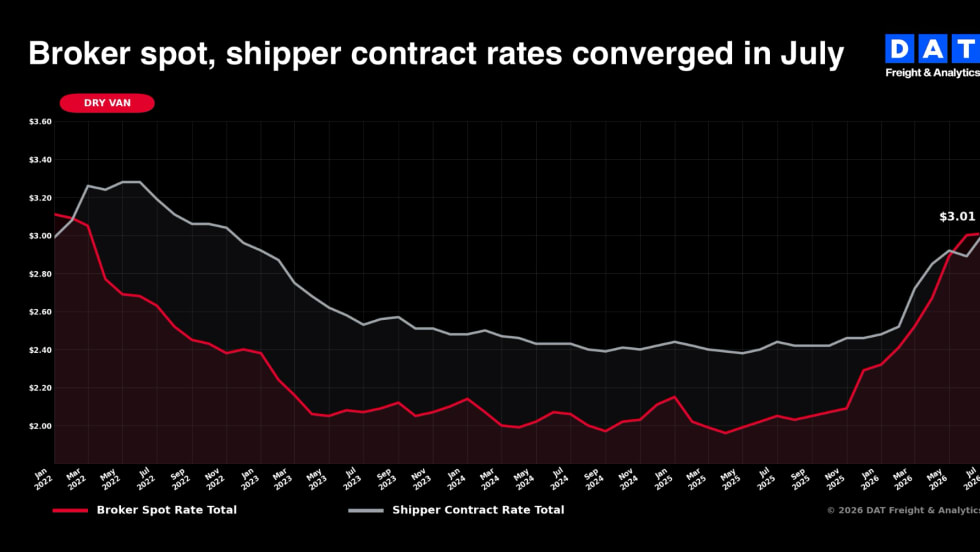
Tight Trucking Capacity Pushes Rates Higher Even as Freight Volumes Fall
“Spot rates moving ahead of contract rates have historically signaled a tightening market, but we haven’t seen a capacity-driven market quite like this one,” said DAT's Dean Croke.
Read More →