





Related: DTNA Goes Beyond Trucks and Components with New Detroit Telematics Suite
OEM-Provided Telematics Platforms Could 'Disrupt' Industry
OEM powertrain integration will ultimately positively disrupt the telematics industry, according to Matthew Pfaffenback, director of telematics, Daimler Trucks North America, speaking at the ALK Transportation Technology Summit.
May 8, 2015

Matthew Pfaffenback, director of telematics, Daimler Trucks North America, speaks at the ALK Transportation Technology Summit. (Photo courtesy of Able Communications)
2 min to read

Matthew Pfaffenback, director of telematics, Daimler Trucks North America, speaks at the ALK Transportation Technology Summit May 5. (Photo courtesy of Able Communications)
OEM powertrain integration will ultimately positively disrupt the telematics industry, according to Matthew Pfaffenback, director of telematics, Daimler Trucks North America.
Speaking at the ALK Transportation Technology Summit held May 4-7 in Princeton, N.J., Pfaffenback said the OEM has “a lot to gain or lose” in terms of telematics when it comes to supporting the vehicle in the field.
On the other hand, he noted that while fleets have discovered the importance of telematics, many of them doubt the ability of individual OEMs to design telematics offerings for their specific needs, which has led to the proliferation of third-party vendors supplying these systems.
While telematics service providers have become well established, the key is the ability of these services to integrate with a fleet’s existing systems, Pfaffenback said. He added that stand-alone services are left-alone services and that fleets are driven to consolidate their applications rather than split them apart. As a result, new services that do not integrate well with existing processes are unlikely to be adopted.
The lesson, Pfaffenback said, is that both OEMs and telematics service providers have to adapt. OEMs can convert data into information and provide to both large and small fleets. While “a lot of information that could be very useable comes from the powertrain,” that is not information that engine and transmission OEMs want to share.
He added that the OEM focus should be about information truck customers cannot get anywhere else, and that OEMs must develop connectivity solutions that complement the solutions already provided by telematics service providers.
Referring to Daimler’s partnership with Zonar in developing an onboard tablet and the companies' Virtual Technician service, he said that instead of a vehicle coming into the shop with a “blank page,” now it comes in with a lot of information about the vehicle.
Further making the case for OEM-provided telematics platforms is the fact that that telematics providers have said they want to move into the software business and not be in the hardware business, he said. “Our intention is to be a complementary service to those provided by the telematics service providers."
More Fleet Management

Sponsored•September 1, 2026
How Telematics Improves Visibility, Control, and Performance in Refrigerated Fleets
Explore how telematics help refrigerated fleets improve visibility, uptime, efficiency, compliance, and cargo protection across connected cold chain operations.
Read More →
What the U.S.-Canada Trade War Means for Trucking
Escalating U.S.-Canada tariffs could disrupt cross-border freight, reduce truck volumes, raise costs, and create new uncertainty for carriers on both sides of the border.
Read More →
What Are Trucking’s Top Concerns for 2026?
The American Transportation Research Institute wants to know what's worrying trucking fleet managers, drivers, and other stakeholders in its annual Industry Issues survey.
Read More →

American Trucking Associations Looks for a New Leader
ATA President and CEO Chris Spear abruptly left his job at the association on August 21, at a pivotal time for the trucking industry.
Read More →
Public Wi-Fi Cybersecurity Risks: How Truck Drivers and Fleets Can Protect Their Data
Public Wi-Fi can expose truck drivers and fleets to credential theft, malware, and other cyber threats. Here’s how to reduce the risk on the road.
Read More →
For Nicky Cupp, Fleet Innovation Starts With Frustration
HDT Truck Fleet Innovator Nicky Cupp turns everyday pain points at Fraley & Schilling into opportunities for better technology and smarter processes.
Read More →
Adam Buttgenbach’s Approach to Electric Trucks: Start With Where They Fit
HDT Truck Fleet Innovator Adam Buttgenbach helped PepsiCo build one of North America’s largest EV fleets by focusing on where electric trucks make operational sense.
Read More →
Deen Albert: Let Automation Do the Math, People Make the Decisions
HDT Truck Fleet Innovator Deen Albert makes sure people are still at the heart of operations at Grand Island Express, even while adopting artificial intelligence tools. AI-assisted dispatch helped boost revenue 25% with the same number of trucks.
Read More →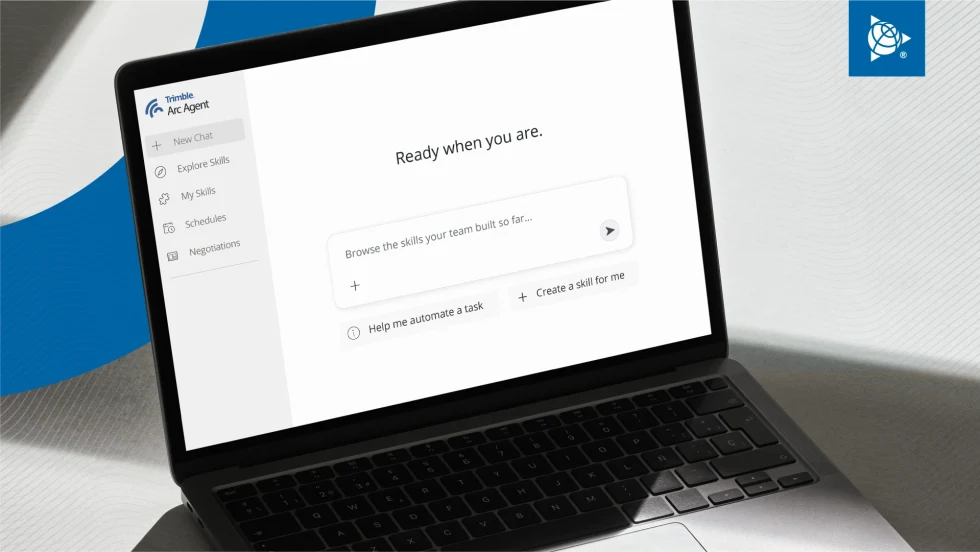
Trimble’s New AI Agent Takes Aim at Fleet Back-Office Busywork
Arc Agent works across Trimble TMS products to automate repetitive tasks such as freight orders, maintenance, invoices, fuel costs and more.
Read More →
How HDT’s 2026 Truck Fleet Innovators Are Rethinking Fleet Operations
Meet five trucking leaders who are challenging assumptions, solving operational problems, and putting innovative ideas to work.
Read More →