





Related: DTNA Goes Beyond Trucks and Components with New Detroit Telematics Suite
OEM-Provided Telematics Platforms Could 'Disrupt' Industry
OEM powertrain integration will ultimately positively disrupt the telematics industry, according to Matthew Pfaffenback, director of telematics, Daimler Trucks North America, speaking at the ALK Transportation Technology Summit.
May 8, 2015

Matthew Pfaffenback, director of telematics, Daimler Trucks North America, speaks at the ALK Transportation Technology Summit. (Photo courtesy of Able Communications)
2 min to read

OEM powertrain integration will ultimately positively disrupt the telematics industry, according to Matthew Pfaffenback, director of telematics, Daimler Trucks North America.
Speaking at the ALK Transportation Technology Summit held May 4-7 in Princeton, N.J., Pfaffenback said the OEM has “a lot to gain or lose” in terms of telematics when it comes to supporting the vehicle in the field.
On the other hand, he noted that while fleets have discovered the importance of telematics, many of them doubt the ability of individual OEMs to design telematics offerings for their specific needs, which has led to the proliferation of third-party vendors supplying these systems.
While telematics service providers have become well established, the key is the ability of these services to integrate with a fleet’s existing systems, Pfaffenback said. He added that stand-alone services are left-alone services and that fleets are driven to consolidate their applications rather than split them apart. As a result, new services that do not integrate well with existing processes are unlikely to be adopted.
The lesson, Pfaffenback said, is that both OEMs and telematics service providers have to adapt. OEMs can convert data into information and provide to both large and small fleets. While “a lot of information that could be very useable comes from the powertrain,” that is not information that engine and transmission OEMs want to share.
He added that the OEM focus should be about information truck customers cannot get anywhere else, and that OEMs must develop connectivity solutions that complement the solutions already provided by telematics service providers.
Referring to Daimler’s partnership with Zonar in developing an onboard tablet and the companies' Virtual Technician service, he said that instead of a vehicle coming into the shop with a “blank page,” now it comes in with a lot of information about the vehicle.
Further making the case for OEM-provided telematics platforms is the fact that that telematics providers have said they want to move into the software business and not be in the hardware business, he said. “Our intention is to be a complementary service to those provided by the telematics service providers."
More Fleet Management
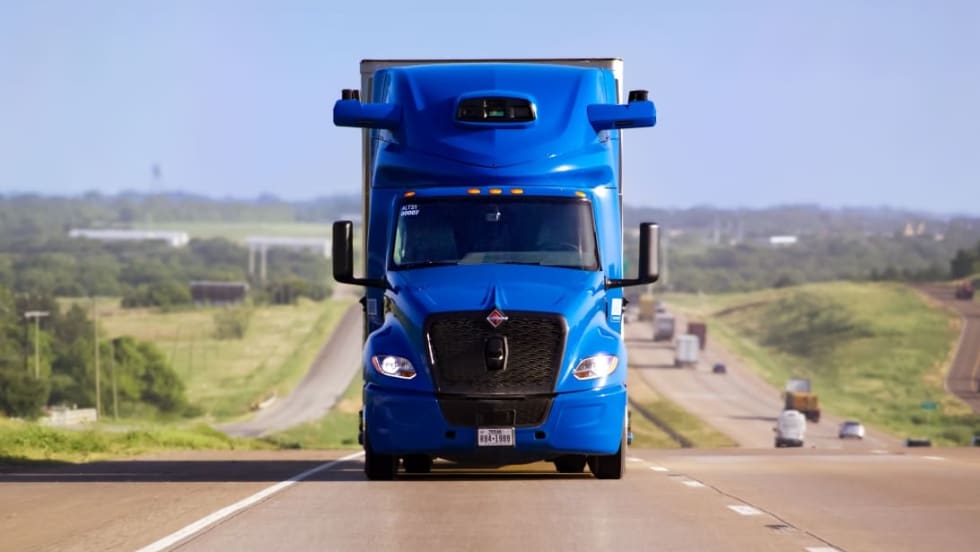
Aurora Rolls Out Next Generation of Driverless Trucks for Commercial Freight
Aurora's latest autonomous trucks it's rolling out with International feature lower-cost hardware designed for a million miles as the company expands commercial driverless freight operations across the U.S. Sun Belt.
Read More →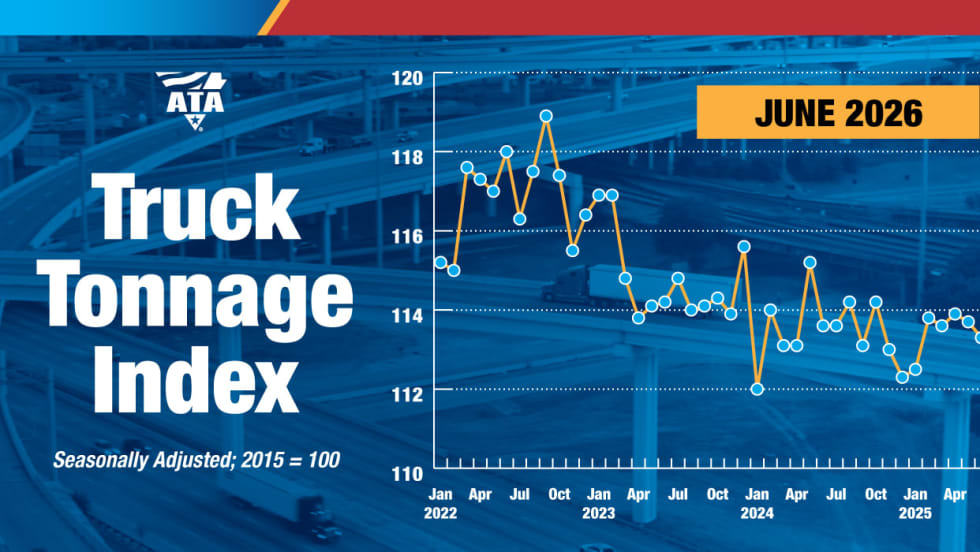
Freight Tonnage Down, Rates up, as Lower Capacity Powers Trucking Recovery
The recovery from the freight recession continues to be driven by reduction in capacity rather than by increased demand.
Read More →
Think Your Trucking Fleet Isn't Using Much AI? Think Again
Shadow AI — the use of unauthorized artificial intelligence tools at work — is becoming increasingly common, putting sensitive company data at risk. Learn how trucking fleets can protect sensitive data while embracing AI.
Read More →
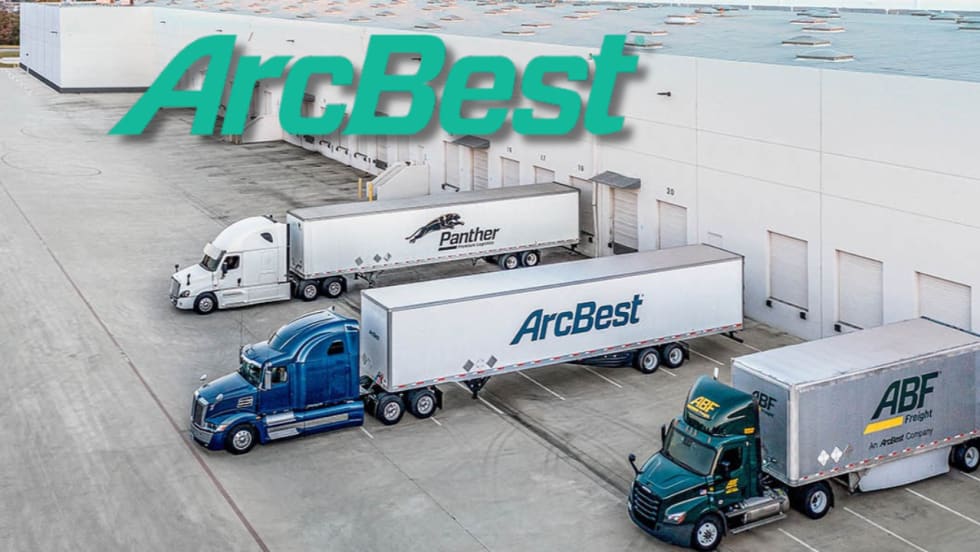
ArcBest Consolidates Brands, Cuts Workforce
The company will bring three business units under the ArcBest brand, eliminate about 2% of positions, and expects the changes to generate $40 million in annual savings.
Read More →
Trucking Fleets Faced Record Operating Costs During Third Year of Freight Recession
ATRI's annual operational cost report shows carriers trimmed fleets, delayed equipment purchases, and ran older trucks as expenses continued to outpace freight rates.
Read More →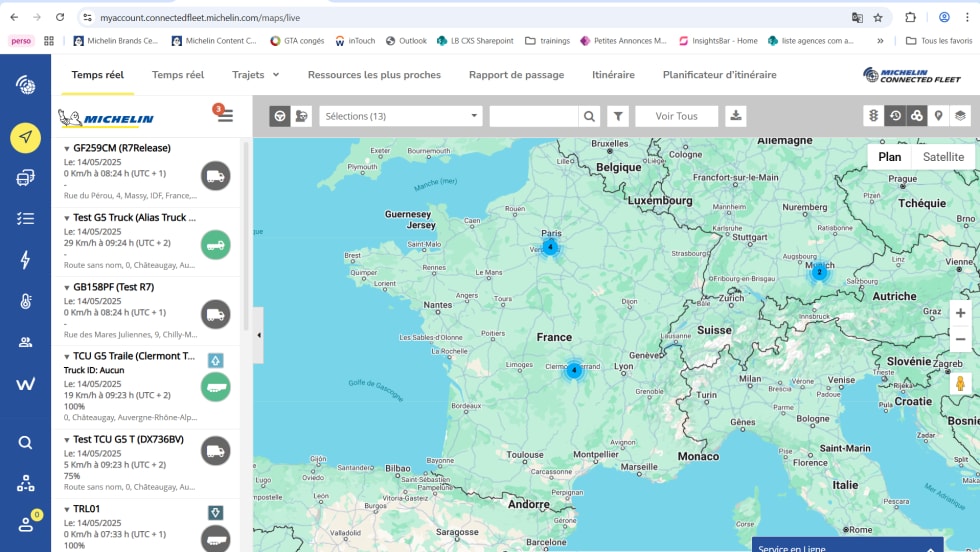
Michelin Adds AI Assistant to MyConnectedFleet Platform
Michelin’s new generative AI tool delivers instant fleet insights, helping managers analyze fuel use, tire maintenance, vehicle status, and operational performance without manually creating reports.
Read More →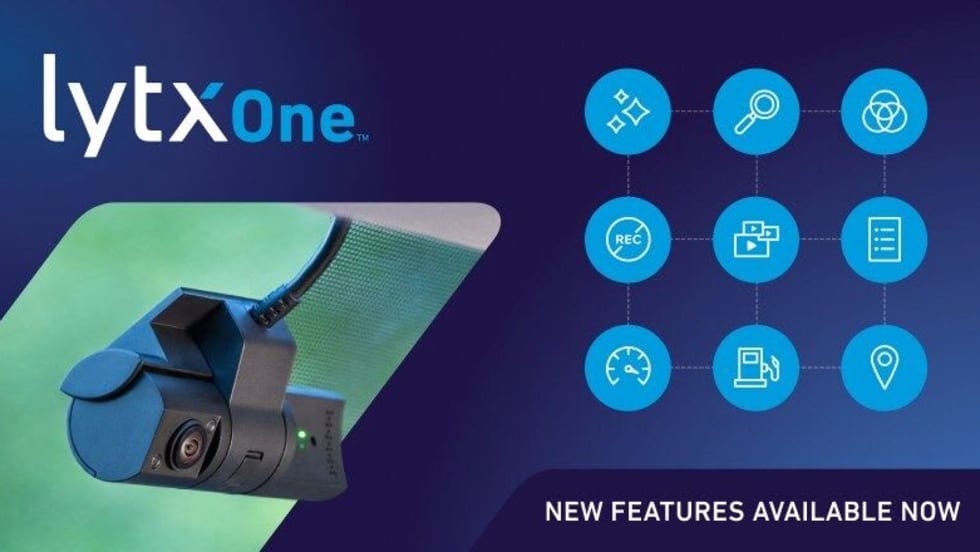
LytxOne Platform Now Features AI, Compliance, and Asset Tracking Tools
New enhancements add AI-powered insights, asset tracking, compliance automation, and configurable privacy controls to Lytx's all-in-one fleet management platform.
Read More →
July Imports Poised to Set Container Record
The National Retail Federation projects July container imports will surpass the pandemic-era record as shippers frontload freight ahead of expected August tariff increases.
Read More →
HDT Announces 2026 Truck Fleet Innovator Finalists
From AI and fleet electrification to safety, operations, and leadership, these HDT Truck Fleet Innovator finalists are changing how trucking gets done.
Read More →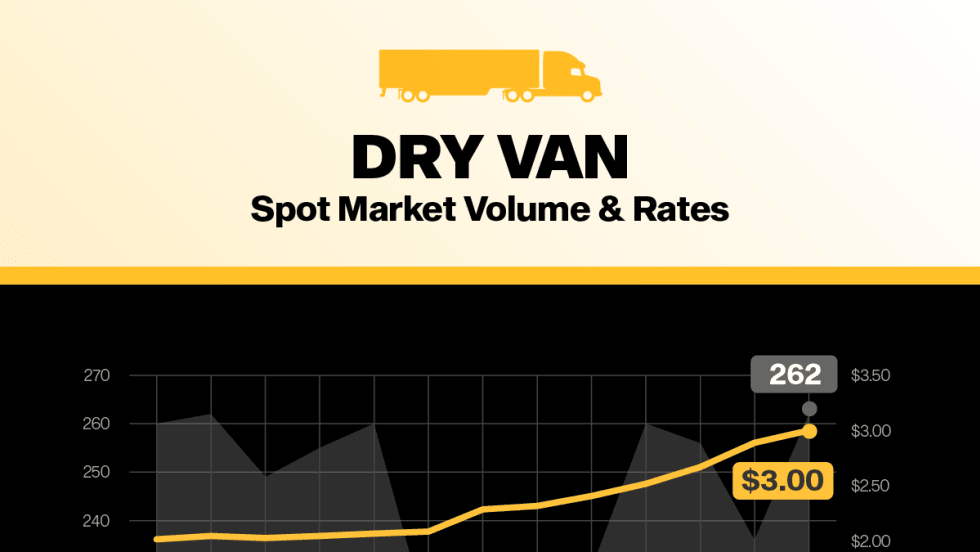
Van Spot Rates Top Contract Rates for First Time Since 2022
There’s more good economic news for the North American trucking industry according to the latest Truckload Volume Index report from DAT.
Read More →